Cardiovascular Wellness: Integrating Exercise, Nutrition, and Stress Management
Introduction: A Stronger Heart Starts With a More Integrated Life
Cardiovascular wellness is not built from one habit alone.
It is not just cardio. It is not just a heart-healthy diet. It is not just lowering stress, sleeping better, or taking more walks. Those things matter, but they work best when they are connected into a system you can actually live with.
That is the idea behind integrated fitness: your heart health is shaped by how you move, how you eat, how you recover, how you manage stress, and how consistently you can repeat the habits that support your body.
Heart disease remains one of the most serious health concerns in the United States. The Centers for Disease Control and Prevention reports that heart disease is the leading cause of death for men, women, and people of most racial and ethnic groups in the United States (Centers for Disease Control and Prevention [CDC], 2024). That statistic matters, but it can also feel overwhelming.
The goal of this article is not to scare you. The goal is to make cardiovascular wellness feel more understandable, more practical, and more within reach.
We will look at the major modifiable risk factors for heart disease, the role of exercise for heart health, how strength training fits into cardiovascular wellness, why nutrition and sleep matter, and how stress affects the body. Then we will bring it together into a practical framework you can use.
This is general education, not medical advice. If you have a heart condition, chest pain, shortness of breath, dizziness, uncontrolled blood pressure, or concerns about your cardiovascular risk, consult your physician or medical team before beginning or changing an exercise program.

What Cardiovascular Disease Actually Means
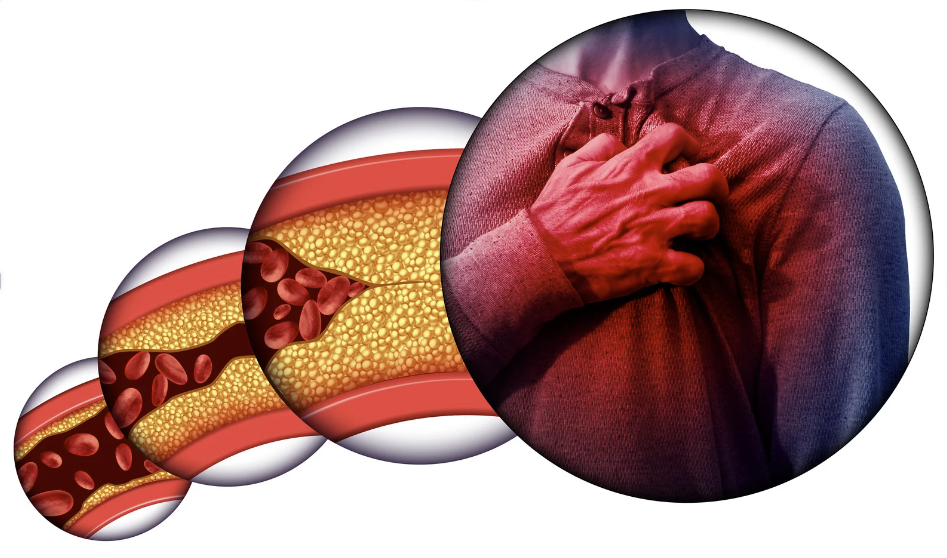
Cardiovascular disease is not one single condition. It is a broad term that includes diseases of the heart and blood vessels.
Some of the most common examples include:
- Coronary artery disease, where plaque buildup limits blood flow to the heart
- Heart attack, when blood flow to part of the heart is blocked
- Stroke, when blood flow to part of the brain is blocked or interrupted
- Heart failure, when the heart cannot pump blood as effectively as the body needs
- Arrhythmias, or abnormal heart rhythms
- Heart valve conditions, which affect how blood moves through the heart
For most readers, the most important takeaway is this: cardiovascular disease often develops over time, and many of the risk factors are influenced by daily habits.
That does not mean everything is under your control. Age, family history, genetics, sex, and prior medical history all matter. But many of the biggest risk factors are modifiable, meaning they can be improved, managed, or reduced through lifestyle choices and medical care.
The CDC identifies high blood pressure, high cholesterol, and smoking as key risk factors for heart disease. Other factors include diabetes, excess body weight, physical inactivity, unhealthy diet, and excessive alcohol use (CDC, 2024).
That is where integrated fitness becomes powerful.
You are not trying to solve heart health with one perfect habit. You are building several repeatable habits that work together.
The Most Important Modifiable Risk Factors for Heart Disease
When people hear “risk factors,” they often think of a warning label. A better way to think about them is as levers.
Some levers are medical and need to be monitored with your healthcare provider. Others are behavioral and can be improved through your daily routine. The goal is not perfection. The goal is better control.
The main modifiable risk factors for heart disease include:
- High blood pressure
- High LDL or non-HDL cholesterol
- Smoking or nicotine use
- Physical inactivity
- Poor nutrition quality
- Excess body weight
- Diabetes or poor blood sugar control
- Chronic stress
- Poor sleep
- Excess alcohol intake
The American Heart Association organizes cardiovascular health into a helpful framework called Life’s Essential 8, which includes eating better, being more active, quitting tobacco, getting healthy sleep, managing weight, controlling cholesterol, managing blood sugar, and managing blood pressure (American Heart Association [AHA], 2025).
That framework is useful because it shows how heart health is not isolated. Your blood pressure is affected by activity, sleep, stress, nutrition, body weight, medication adherence, and genetics. Your energy level affects whether you exercise. Your stress level affects sleep, food choices, and motivation. Your training plan affects blood pressure, blood sugar, body composition, and confidence.
The system is connected. Your approach should be connected too.
Why Exercise for Heart Health Matters
Exercise is one of the clearest lifestyle tools for cardiovascular wellness.
The CDC recommends that adults get at least 150 minutes of moderate-intensity aerobic activity each week, or 75 minutes of vigorous-intensity activity, plus at least 2 days of muscle-strengthening activity (CDC, 2023).
That sounds simple, but many people struggle with the next question:
What kind of exercise should I actually do?
The answer depends on your starting point, health history, joint tolerance, and fitness level. But the broad structure is straightforward:
- Aerobic exercise trains your heart, lungs, and circulation.
- Strength training builds muscle, supports metabolism, improves function, and protects joints.
- Mobility and flexibility work help you move better and stay consistent.
- Recovery habits help your body adapt instead of burn out.
The mistake is thinking cardio is the only thing that matters for the heart. Cardio matters deeply, but a well-rounded heart-health plan should include both aerobic training and strength training.
Aerobic Exercise: The Classic Heart-Health Tool
Aerobic exercise is any activity that raises your heart rate and breathing for a sustained period. This is what most people think of when they hear “cardio.”
Examples include:
- Brisk walking
- Cycling
- Swimming
- Rowing
- Hiking
- Dancing
- Jogging or running
- Low-impact cardio machines
- Group fitness classes
Moderate-intensity exercise should raise your breathing and heart rate, but you should still be able to speak in short sentences. Vigorous-intensity exercise feels harder. You are breathing deeper and faster, and speaking more than a few words becomes difficult.
For many people, brisk walking is the best place to start. It is accessible, scalable, and easier to recover from than high-impact exercise. For others, cycling, rowing, swimming, or incline treadmill walking may be better because they reduce joint stress.
The best exercise for heart health is not the one that looks most impressive. It is the one you can repeat consistently and progress safely.

Strength Training for Heart Health
Strength training belongs in a cardiovascular wellness article because muscle is not separate from heart health.
Your muscles help you move, stabilize your joints, use glucose, maintain function, and tolerate daily physical stress. When strength declines, everyday movement becomes harder. When everyday movement becomes harder, activity often drops. When activity drops, cardiovascular risk can rise.
The American Heart Association recommends strength training at least twice per week and describes resistance training as part of a healthy routine alongside endurance, balance, and flexibility work (American Heart Association, 2023).
Strength training for heart health does not need to look like competitive powerlifting. It can be scaled to the person.
It may include:
- Sit-to-stand or squat patterns
- Hip hinges
- Step-ups
- Rows
- Presses
- Carries
- Core control
- Machines
- Dumbbells
- Cables
- Resistance bands
- Body-weight movements
The goal is to build enough strength that daily life becomes less demanding on your body.
A stronger body can climb stairs with less strain, carry groceries more easily, get off the floor with more confidence, and tolerate walking, hiking, or recreational activity better. That matters because cardiovascular wellness is not only about living longer. It is about living with more capacity.

How to Start Safely If You Are Deconditioned or Nervous
If you have been inactive, recently diagnosed with a health concern, or worried about pushing too hard, the starting point should be conservative.
A good first phase might look like this:
- Walk 10 to 20 minutes at a comfortable pace, 3 to 5 days per week.
- Strength train 2 days per week with basic, controlled movements.
- Choose low-impact cardio if joints are sensitive.
- Keep intensity moderate enough that you can recover.
- Build consistency before chasing intensity.
- Track how you feel during and after exercise.
This is especially important if exercise makes you anxious. Some people become hyper-aware of their heartbeat when they start training. That does not mean exercise is unsafe, but it does mean the plan should be gradual and structured.
A good training program should help you build trust in your body.

The Emotional Side of Cardiovascular Disease
Cardiovascular disease is not only physical.
A diagnosis, a family history, a scary doctor’s visit, or even a warning about blood pressure can change how someone experiences daily life. It can make every sensation feel suspicious. A skipped heartbeat, a tight chest after stress, or shortness of breath walking uphill can create fear.
Imagine someone named John, a 58-year-old who was recently told he has coronary artery disease. He leaves the appointment with a folder of instructions, medication changes, and lifestyle recommendations. On paper, the plan is logical. In real life, he is scared.
He notices every heartbeat. His family watches him more closely. Meals feel loaded with pressure. Exercise, which should help, now feels intimidating because he worries about doing too much.
This is where a thoughtful fitness plan becomes more than exercise.
For John, a short morning walk may become the first place he feels in control again. A simple strength routine may help him feel capable instead of fragile. Clear intensity guidelines may reduce fear because he knows what effort should feel like. Progress tracking may show him that his body can adapt.
That emotional layer matters. People do not change because they receive information. They change when the plan feels safe, understandable, and repeatable.

Sleep and Heart Health
Sleep is one of the most underappreciated parts of cardiovascular wellness.
The American Heart Association includes healthy sleep as part of Life’s Essential 8 and states that most adults should aim for 7 to 9 hours of sleep per night
Sleep affects decision-making, appetite regulation, energy, recovery, blood pressure, blood sugar, mood, and stress resilience. Poor sleep makes healthy choices harder. It is more difficult to exercise, plan meals, manage cravings, regulate emotions, and recover from training when you are chronically tired.
A heart-health plan that ignores sleep is incomplete.
Simple sleep-supporting habits include:
- Keep a consistent bedtime and wake time when possible.
- Reduce bright screens before bed.
- Limit late caffeine.
- Create a wind-down routine.
- Keep the room cool and dark.
- Talk to a medical provider if you snore heavily, wake up gasping, or suspect sleep apnea.
Sleep is not a luxury habit.
It is part of the recovery system that makes exercise, nutrition, and stress management work better.
Stress and Cardiovascular Wellness
Stress affects the heart directly and indirectly.
The American Heart Association notes that chronic stress may contribute to high blood pressure and can also lead to behaviors that increase heart disease and stroke risk, such as smoking, overeating, inactivity, poor diet, and poor medication adherence (American Heart Association, 2024).
This is important because stress management is often discussed too vaguely. People are told to “relax,” but they are not given practical tools.
A more useful question is:
What helps your body downshift?
For some people, it is walking. For others, it is strength training, prayer, breathing drills, journaling, music, time outside, therapy, social support, or a quieter evening routine.
Exercise can be especially powerful because it gives stress a physical outlet. A walk can clear mental noise. Strength training can turn tension into controlled effort. Mobility and breathing work can help the body feel less guarded.
Stress management does not mean life becomes easy. It means your body has regular ways to recover from what life demands.

A Heart-Healthy Diet Without Turning Food Into Fear
A heart-healthy diet does not need to be complicated.
The National Heart, Lung, and Blood Institute describes the DASH eating plan as a flexible, balanced eating pattern that supports heart health and emphasizes vegetables, fruits, whole grains, low-fat or fat-free dairy, fish, poultry, beans, nuts, seeds, and vegetable oils while limiting saturated fat, sugar-sweetened beverages, sweets, and sodium (National Heart, Lung, and Blood Institute [NHLBI], 2026).
That is a good foundation, but the real challenge is implementation.
Most people do not fail because they cannot understand nutrition. They struggle because food habits are tied to time, stress, family routines, culture, appetite, convenience, emotions, and budget.
A practical heart-healthy diet starts with repeatable improvements:
- Add a fruit or vegetable to meals you already eat.
- Choose lean proteins more often.
- Swap refined grains for whole grains when realistic.
- Use beans, lentils, fish, poultry, nuts, seeds, and olive oil more often.
- Reduce highly processed snacks and fried foods.
- Limit sugary drinks.
- Pay attention to sodium, especially if blood pressure is a concern.
- Keep meals simple enough to repeat.
The goal is not to eat perfectly.
The goal is to create a pattern that supports your heart most of the time.

What Integrated Fitness Looks Like in Real Life
Integrated fitness means you stop treating heart health like a list of disconnected chores.
Instead of thinking:
“I need to do cardio, eat better, lift weights, sleep more, and stress less.”
Think:
“I need a weekly rhythm that supports my heart, my energy, and my ability to keep going.”
That rhythm might look like this:
Weekly Movement Foundation
- 2 to 3 days of strength training
- 3 to 5 days of walking or low-impact cardio
- 1 to 2 short mobility or stretching sessions
- Daily movement breaks if you sit for long periods
Nutrition Foundation
- Protein at most meals
- Fruits and vegetables daily
- Whole grains or high-fiber carbohydrates
- Healthy fats in reasonable portions
- Lower sodium choices when possible
- Fewer sugary drinks and highly processed foods
Recovery Foundation
- 7 to 9 hours of sleep as the target
- Consistent sleep and wake rhythm
- Rest days or lighter days between harder sessions
- Stress-reduction habits that actually fit your life
Medical Foundation
- Know your blood pressure
- Know your cholesterol numbers
- Know your blood sugar status if relevant
- Take prescribed medication as directed
- Follow up with your medical team
This is the real meaning of cardiovascular wellness. It is not one dramatic transformation. It is a system of support.
How Royal Blue Fitness Approaches Cardiovascular Wellness
At Royal Blue Fitness, we approach cardiovascular wellness through the lens of movement quality, strength, consistency, and sustainable progression.
We are not a medical clinic, and we do not replace your physician, cardiologist, registered dietitian, or cardiac rehabilitation team. Our role is to help you build a safe, structured, progressive fitness plan that supports your broader health goals.
That starts with understanding where you are now.
For many clients, the first step is not intense cardio. It is learning what your body can tolerate, how your joints move, where strength is limited, and how to build confidence without guessing. That is why our Strength and Range of Motion Assessment matters. It helps us identify the starting point before we build the plan.
From there, cardiovascular wellness may include:
- Low-impact aerobic conditioning
- Strength training scaled to your current ability
- Mobility work to improve movement quality
- Balance and coordination when needed
- Recovery-aware programming
- Habit support for consistency
- Progressions that build over time
The goal is not to overwhelm you. The goal is to help you become more capable, one phase at a time.
A Simple Starting Plan for Heart-Healthy Fitness
If you are medically cleared to exercise and want a realistic starting point, here is a simple framework.
Day 1: Strength Training
Full-body strength, moderate effort.
Focus on:
- Sit-to-stand or squat
- Hip hinge
- Row
- Press
- Carry
- Core control
Day 2: Low-Impact Cardio
20 to 30 minutes of walking, cycling, rowing, or another moderate activity.
Day 3: Mobility or Rest
Use this day to recover, stretch gently, or take an easy walk.
Day 4: Strength Training
Repeat full-body strength.
Use clean technique and leave a little energy in reserve.
Day 5: Low-Impact Cardio
20 to 40 minutes at an easy to moderate pace.
Day 6: Optional Activity
Walk, hike, garden, dance, bike, or do something enjoyable.
Day 7: Rest and Reset
Plan meals, review your week, and set up your next training days.
This is not the only way to train. It is a starting rhythm. The best plan is the one that matches your body and can be repeated.
FAQ: Cardiovascular Wellness and Integrated Fitness
What is cardiovascular wellness?
Cardiovascular wellness means supporting the health of your heart and blood vessels through movement, nutrition, sleep, stress management, healthy body composition, and medical risk-factor management when needed. It is broader than cardio alone.
What are the most important modifiable risk factors for heart disease?
The major modifiable risk factors for heart disease include high blood pressure, high cholesterol, smoking, physical inactivity, unhealthy diet, diabetes or poor blood sugar control, excess body weight, poor sleep, chronic stress, and excessive alcohol intake.
What is the best exercise for heart health?
The best exercise for heart health is a combination of aerobic activity and strength training. Aerobic activity improves cardiovascular endurance, while strength training supports muscle, metabolism, joint function, and daily activity tolerance.
How much exercise do adults need for heart health?
The CDC recommends at least 150 minutes of moderate-intensity aerobic activity per week, or 75 minutes of vigorous-intensity activity, plus 2 days of muscle-strengthening activity (CDC, 2023).
Is strength training safe for heart health?
Strength training can be part of a heart-healthy routine when it is appropriately prescribed and progressed. If you have cardiovascular disease, uncontrolled blood pressure, chest pain, dizziness, or other concerning symptoms, get medical clearance before beginning or changing your training plan.
What is a heart-healthy diet?
A heart-healthy diet emphasizes vegetables, fruits, whole grains, lean proteins, beans, nuts, seeds, fish, low-fat or fat-free dairy when appropriate, and healthy oils. It limits excess sodium, saturated fat, trans fat, sugary drinks, sweets, and highly processed foods.
How does stress affect heart health?
Stress can affect heart health directly through blood pressure, heart rate, inflammation, and stress hormones. It can also affect heart health indirectly by making it harder to exercise, sleep well, eat well, and follow medical recommendations.
Where should I start if I feel overwhelmed?
Start with one or two levers. A realistic first step might be walking 10 minutes a day, strength training twice per week, adding vegetables to one meal, or improving your bedtime routine. Small changes become powerful when they are repeated.
Conclusion: Cardiovascular Wellness Is Built in Layers
A strong heart is not built from one habit.
It is built from layers: regular movement, strength training, heart-healthy nutrition, sleep, stress management, medical awareness, and consistency. Those layers do not need to be perfect. They need to be practiced.
The best cardiovascular wellness plan is one you can live with. It should challenge you, but not punish you. It should educate you, but not overwhelm you. It should help you understand your body, build confidence, and make progress in a way that fits real life.
At Royal Blue Fitness, that is how we think about integrated fitness. We help you build the structure, strength, and consistency that make healthier living feel possible.
Power in Progress, Meaning in Motion.
Here are our latest articles! Click to read more.