
Diabetes in Focus: Proactive Steps to Better Health
Introduction: Diabetes Becomes Less Overwhelming When You Understand the Levers
Diabetes can feel like a diagnosis that suddenly takes over everything: food choices, exercise decisions, medical appointments, lab numbers, energy levels, and even the way you think about your future.
That weight is real. But diabetes management becomes less overwhelming when you stop seeing it as one giant problem and start seeing it as a set of connected levers.
Those levers include:
- Blood sugar monitoring
- Medication adherence when prescribed
- Aerobic exercise
- Resistance training
- Food quality and meal timing
- Sleep
- Stress management
- Weight management when appropriate
- Regular follow-up with your healthcare team
The CDC’s National Diabetes Statistics Report estimates that 40.1 million people in the United States had diagnosed or undiagnosed diabetes in 2023, representing about 12% of the U.S. population (Centers for Disease Control and Prevention [CDC], 2026).
Those numbers matter, but this article is not here to scare you. The goal is to help diabetes feel more understandable, more practical, and more manageable.
This guide will explain what diabetes is, why exercise for diabetes management matters, how aerobic exercise and resistance training affect blood sugar, how food and stress fit into the picture, and what a safe diabetes workout plan can look like when you are starting or rebuilding consistency.
This is general education, not medical advice. If you have diabetes, prediabetes, cardiovascular disease, neuropathy, kidney disease, vision problems, dizziness, chest pain, or concerns about blood sugar changes during exercise, talk with your healthcare team before starting or
changing your exercise plan.

What Diabetes Is, in Plain English
Diabetes is a chronic condition that affects how your body handles glucose, also called blood sugar.
When you eat carbohydrates, your body breaks them down into glucose. Glucose enters the bloodstream and becomes an important source of energy. Insulin, a hormone made by the pancreas, helps move glucose from the bloodstream into your cells.
Diabetes occurs when the system does not work properly.
There are several major types:
- Type 1 diabetes: The body does not make enough insulin because the immune system attacks insulin-producing cells.
- Type 2 diabetes: The body becomes resistant to insulin or does not use insulin effectively.
- Gestational diabetes: Diabetes that develops during pregnancy and increases future risk for type 2 diabetes.
- Prediabetes: Blood sugar is higher than normal, but not yet in the diabetes range.
For most adults, type 2 diabetes is the most common form. It is strongly influenced by insulin resistance, activity level, body composition, genetics, sleep, stress, and nutrition patterns.
The important thing to understand is this: diabetes management is not only about lowering blood sugar today. It is about protecting your long-term health.
Over time, unmanaged diabetes can increase the risk of heart disease, kidney disease, nerve damage, vision problems, circulation issues, and foot complications. That is why diabetes care usually includes several parts: medical care, movement, nutrition, stress management, sleep, and daily self-care.
Diabetes Is Not Just a Blood Sugar Problem
Blood sugar is central, but diabetes affects more than one number.
NIDDK explains that healthy living with diabetes includes meal planning, physical activity, sleep, avoiding tobacco, mental health care, and working with healthcare professionals to keep blood glucose, blood pressure, and cholesterol in recommended ranges (National Institute of Diabetes and Digestive and Kidney Diseases [NIDDK], n.d.).
That is why diabetes belongs under the broader chronic disease pillar.
A good diabetes plan should support:
- Blood sugar control
- Cardiovascular health
- Weight management when appropriate
- Strength and mobility
- Energy and stamina
- Foot and joint safety
- Sleep and recovery
- Emotional resilience
- Confidence in daily self-care
This is where integrated fitness becomes valuable. You are not trying to solve diabetes with one perfect habit. You are building a lifestyle system that gives your body more support from multiple angles.

Why Exercise for Diabetes Management Matters
Exercise is one of the most powerful lifestyle tools for diabetes management because it helps your body use glucose more effectively.
During and after physical activity, working muscles can pull glucose from the bloodstream to use as fuel. Over time, consistent exercise can improve insulin sensitivity, support weight management, improve cardiovascular health, and increase strength and stamina.
The American College of Sports Medicine explains that exercise can play an important role in managing type 2 diabetes, and that workouts can be modified to fit the abilities of most people (American College of Sports Medicine [ACSM], 2022). ACSM also highlights several practical takeaways: regular aerobic exercise helps manage blood glucose, resistance exercise is beneficial, activity after meals can reduce blood glucose, and small movement breaks throughout the day can improve blood glucose and insulin levels (ACSM, 2022).
That does not mean every person with diabetes needs an intense gym routine.
It means movement needs to become consistent, safe, and progressive.
A complete diabetes workout plan usually includes:
- Aerobic exercise
- Resistance training
- Flexibility and mobility work
- Balance training when appropriate
- Recovery and monitoring
The best plan is not the hardest plan.
The best plan is the one your body can repeat safely.
Aerobic Exercise for Diabetes
Aerobic exercise is activity that raises your heart rate and breathing for a sustained period.
Examples include:
- Walking
- Cycling
- Swimming
- Rowing
- Dancing
- Hiking
- Water aerobics
- Low-impact cardio machines
For many people with diabetes, walking is the most practical starting point. It is simple, accessible, and easy to scale. A 10-minute walk after dinner may not sound dramatic, but it can be a meaningful first step.
The CDC notes that people can start slowly and that a clear goal, such as taking a 10-minute walk after dinner, can help build the habit (CDC, 2024).
A useful aerobic exercise goal is:
Start with what you can repeat, then build toward 150 minutes per week.
That might mean:
- 10 minutes after dinner, 5 days per week
- 15 minutes during lunch, 5 days per week
- 20 to 30 minutes of walking, cycling, or swimming, 3 to 5 days per week
- Short movement breaks throughout the day if longer sessions feel unrealistic
For blood sugar control, consistency matters. Long gaps without activity can make the plan less effective. That is why many diabetes exercise guidelines recommend spreading activity across the week instead of saving it all for one or two days.
Resistance Training for Diabetes
Resistance training for diabetes deserves more attention.
Many people think diabetes exercise means walking or cardio only. Cardio matters, but muscle is one of your best tools for glucose management.
Your muscles use glucose during activity. Strength training builds and preserves muscle tissue, supports joint health, improves balance, and helps daily movement feel easier. That matters because better strength can make it easier to stay active overall.
NIDDK notes that strength training or resistance training may make muscles and bones stronger, and suggests trying this type of training two times per week (NIDDK, n.d.).
Resistance training can include:
- Sit-to-stand exercises
- Squats
- Step-ups
- Hip hinges
- Rows
- Chest presses
- Wall pushups
- Seated arm raises
- Resistance bands
- Cable machines
- Dumbbells
- Weight machines
- Body-weight exercises
The goal is not to train like a bodybuilder. The goal is to build capacity.
A stronger body can:
- Walk with more confidence
- Climb stairs more easily
- Carry groceries with less strain
- Improve balance and stability
- Support better posture
- Increase daily activity tolerance
- Make aerobic exercise feel more manageable
For diabetes, resistance training is not extra. It is part of the foundation.
How to Exercise Safely With Diabetes
Exercise is helpful, but diabetes adds important safety considerations.
The goal is not to avoid exercise. The goal is to understand how your body responds and build a plan with the right guardrails.
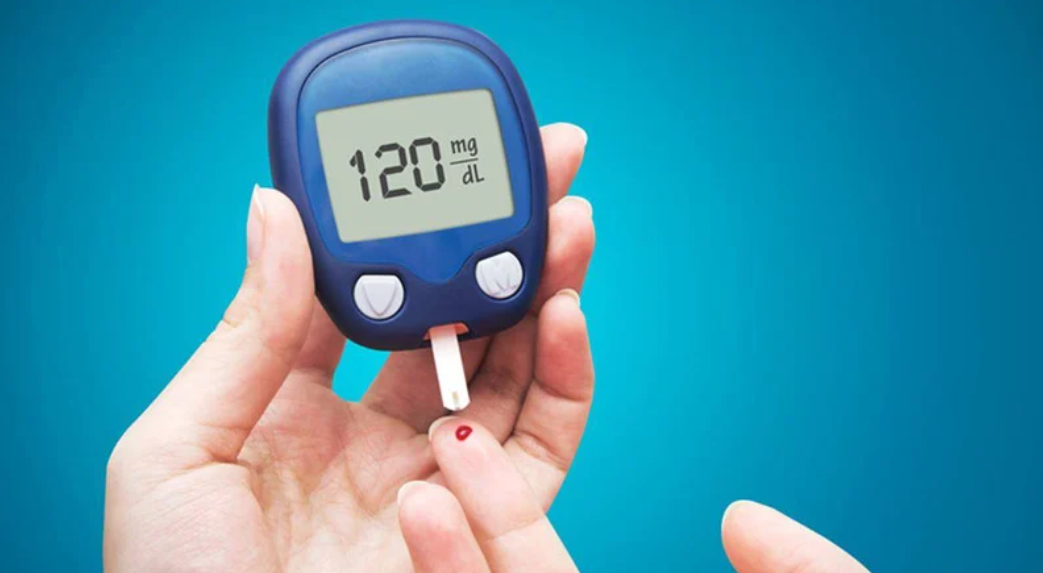
Monitor Blood Sugar When Needed
Blood sugar can change before, during, and after exercise. For some people, activity lowers blood sugar. For others, intense exercise, stress, dehydration, medications, or insufficient insulin can complicate the response.
NIDDK recommends checking blood glucose before, during, and right after physical activity, especially because physical activity can lower blood glucose and low blood glucose may last for hours or days after exercise (NIDDK, n.d.).
This is especially important if you use insulin or medications that can cause hypoglycemia.
Ask your healthcare team:
- Should I check before exercise?
- Should I check during longer sessions?
- What number is too low for me to start?
- What should I do if my blood sugar drops?
- Should I carry fast-acting carbohydrates?
- Do I need to adjust insulin, medication timing, or food around activity?
Carry Fast-Acting Carbohydrates
If you are at risk for low blood sugar, carry a fast-acting carbohydrate source.
Examples may include:
- Glucose tablets
- Glucose gel
- Juice
- Regular soda
- Hard candy
Your healthcare team can tell you what is appropriate for your situation.
Hydrate Well
Dehydration can affect blood sugar and exercise tolerance. Drink water before and after activity, and during activity when needed.
Most moderate workouts do not require sugary sports drinks. But if you are exercising longer, sweating heavily, or at risk of low blood sugar, your healthcare team may give you specific guidance.
Time Meals, Medication, and Activity Carefully
Meal timing matters more when you have diabetes.
If you take insulin or certain diabetes medications, skipping meals or exercising without enough fuel may increase the risk of low blood sugar.
NIDDK notes that the best times to eat or drink may depend on diabetes medicines, physical activity, schedule, and other health conditions (NIDDK, n.d.).
That means your workout plan should not be separated from your daily rhythm. It should account for when you eat, when you take medication, when your energy is best, and how your glucose typically responds.
Take Foot Care Seriously
Foot care is essential for many people with diabetes, especially if there is neuropathy, reduced sensation, circulation issues, or a history of foot wounds.
Practical steps include:
- Wear supportive, properly fitted shoes.
- Check your feet before and after exercise.
- Avoid new shoes during long walks.
- Watch for blisters, cuts, redness, or pressure spots.
- Tell your healthcare team about foot pain, numbness, or wounds.
NIDDK notes that people with diabetes may have foot problems because high blood glucose can damage blood vessels and nerves, and recommends comfortable, supportive shoes and foot care before, during, and after physical activity (NIDDK, n.d.).
What a Beginner Diabetes Workout Plan Can Look Like
A diabetes workout plan should be individualized, but a simple starting structure can help.
If you are medically cleared to exercise, a beginner week might look like this:
Day 1: Strength Training
Focus on basic, controlled movements:
- Sit-to-stand
- Supported row
- Wall pushup or machine press
- Hip hinge pattern
- Light carry
- Gentle core control
Keep intensity moderate. You should finish feeling trained, not wiped out.
Day 2: Aerobic Exercise
Walk, cycle, swim, or use a low-impact machine for 10 to 30 minutes.
Keep the pace conversational.
Day 3: Mobility or Easy Walk
Use this day for gentle movement, stretching, or a short walk.
Day 4: Strength Training
Repeat a similar full-body routine.
Consistency is more important than novelty.
Day 5: Aerobic Exercise
Do another 10 to 30 minutes of moderate movement.
If your body tolerates it well, gradually add time over the next few weeks.
Day 6: Optional Activity
Choose something enjoyable:
- Walk with family
- Garden
- Dance
- Bike
- Hike
- Do a light home routine
Day 7: Rest and Reset
Review your week.
Ask:
- What helped my energy?
- What made exercise easier?
- Did anything affect my blood sugar?
- What should I repeat next week?
The goal is not perfection. The goal is learning how your body responds.

Nutrition for Diabetes: Build a Pattern, Not a Prison
Nutrition matters in diabetes, but it should not become a fear-based system where every food feels dangerous.
A diabetes-friendly eating pattern is about keeping blood sugar steadier, supporting energy, protecting heart health, and making meals realistic enough to repeat.
The CDC explains that a diabetes meal plan helps guide when, what, and how much to eat while supporting blood sugar targets, and that the plate method and carbohydrate counting can make meal planning easier (CDC, 2024).
A practical starting point is:
- Half the plate: nonstarchy vegetables
- One quarter: lean protein
- One quarter: higher-fiber carbohydrate
- Add: healthy fats in reasonable portions
- Drink: water or low-sugar beverages most often
Examples of helpful foods include:
- Leafy greens
- Broccoli, peppers, carrots, green beans
- Beans and lentils
- Oats and whole grains
- Berries and whole fruits
- Fish, poultry, tofu, eggs, Greek yogurt
- Nuts, seeds, avocado, olive oil
Foods to limit more often include:
- Sugary drinks
- Highly processed snacks
- Large portions of refined grains
- Frequent sweets
- High-sodium packaged foods
- Fried foods
The point is not to eat perfectly. The point is to create a meal pattern that supports your blood sugar most of the time.
Carbohydrates Are Not the Enemy
Carbohydrates raise blood sugar, but that does not mean all carbohydrates are bad.
The type, amount, timing, and combination of carbohydrates matter.
The American Diabetes Association explains that people living with diabetes can fit carbohydrates into a healthy meal plan, and that complex carbohydrates with fiber tend to support steadier blood glucose than more refined, simple carbohydrates (American Diabetes Association [ADA], n.d.).
For example, eating a refined carbohydrate by itself may raise blood sugar faster. Eating a higher-fiber carbohydrate with protein, fat, and vegetables may create a steadier response.
That is why a balanced plate works better than a fear-based approach.
Instead of asking:
“Can I never eat this again?”
Ask:
“How often, how much, and what can I pair it with?”
That question leads to better long-term decisions.

Stress, Sleep, and Blood Sugar
Stress and sleep affect diabetes more than many people realize.
When you are stressed, your body releases hormones that can raise blood sugar. Stress can also change behavior. People often sleep worse, move less, crave different foods, skip medication routines, or feel less motivated when stress is high.
CDC’s living with diabetes guidance includes managing stress, coping with the emotional side of diabetes, checking blood sugar, taking medicines as prescribed, being active, and going to checkups as part of self-care (CDC, 2026).
Sleep matters too. Poor sleep can affect energy, appetite, mood, blood sugar, and the ability to follow through on healthy habits.
Practical stress and sleep supports include:
- Walking after meals
- Strength training at a manageable intensity
- Breathing drills
- A consistent bedtime routine
- Morning sunlight
- Limiting late caffeine
- Journaling or prayer
- Therapy or counseling when needed
- Social support
- Asking for help before burnout hits
Managing diabetes is not just a physical task. It is an emotional and behavioral task too.
The Emotional Side of Diabetes
Diabetes can create fear, frustration, guilt, and decision fatigue.
A person may wonder:
- Did I cause this?
- What can I eat now?
- Am I going to need medication forever?
- What happens if my numbers do not improve?
- Can I exercise safely?
- Will I end up with complications?
- Why does this feel so exhausting?
Those questions are human.
The emotional side matters because shame does not build consistency. Fear may create a short burst of change, but it rarely builds a sustainable life.
A better diabetes plan should help you feel:
- More informed
- More capable
- More supported
- More consistent
- More confident in your body
That is why exercise can be so powerful. It gives you a way to experience progress physically. You can feel your stamina improve. You can feel yourself getting stronger. You can watch your walking pace, energy, or confidence change.
Those wins matter because diabetes management is not only about avoiding problems. It is about building a life that still feels strong and meaningful.

How Royal Blue Fitness Supports Diabetes-Friendly Fitness
At Royal Blue Fitness, we approach diabetes-friendly fitness through safe movement, progressive strength, aerobic conditioning, and sustainable habit support.
We are not a medical clinic, and we do not replace your physician, endocrinologist, registered dietitian, diabetes educator, therapist, or medical team.
Our role is to help you build a structured fitness plan that supports your broader diabetes management goals.
For many people, that starts with a Strength and Range of Motion Assessment. Before we build a plan, we want to understand:
- How your joints move
- Where strength is limited
- What exercises feel safe or unsafe
- Whether balance or foot concerns need attention
- Your current fitness level
- Your training history
- Your goals
- Your barriers to consistency
From there, a diabetes-friendly training plan may include:
- Low-impact aerobic exercise
- Resistance training for major muscle groups
- Mobility and balance work
- Gradual progressions
- Recovery-aware programming
- Consistency support
- Adjustments based on your medical guidance
The goal is not to overwhelm you with a perfect plan. The goal is to help you build a repeatable system your body can tolerate and improve from.
What to Ask Your Healthcare Team Before Starting
Before beginning or changing your exercise routine, it can help to ask your healthcare team specific questions.
Bring questions like:
- What blood sugar range is safe for me before exercise?
- Should I check during or after workouts?
- Do I need to adjust food, insulin, or medication around exercise?
- Should I carry fast-acting carbohydrates?
- Are there activities I should avoid?
- Do I have neuropathy, foot concerns, vision issues, or balance concerns that affect exercise?
- Do I have blood pressure or heart concerns that require limits?
- What symptoms should make me stop exercising?
These questions help turn vague caution into a clear plan.

FAQ: Exercise and Diabetes Management
What is the best exercise for diabetes management?
The best exercise for diabetes management usually combines aerobic exercise and resistance training. Aerobic exercise helps improve cardiovascular fitness and blood sugar use. Resistance training helps build muscle, strength, and daily function.
How much exercise should someone with diabetes do?
Many guidelines recommend building toward at least 150 minutes of moderate-intensity physical activity per week, plus two days of strength or resistance training when safe and appropriate. The exact plan should be adjusted to your health status, medication use, fitness level, and healthcare guidance.
Is resistance training good for diabetes?
Yes. Resistance training for diabetes can help build and preserve muscle, support glucose use, improve strength, and make daily movement easier. It should be scaled to your ability and progressed gradually.
Is walking enough for diabetes?
Walking is an excellent starting point and can be very helpful. For a more complete plan, most people benefit from combining walking or other aerobic exercise with strength training, mobility, and balance work.
Should I check my blood sugar before exercise?
Many people with diabetes should check blood sugar before exercise, especially if they take insulin or medications that can cause low blood sugar. Your healthcare team can tell you when to check and what numbers require action.
What should I eat before exercising with diabetes?
That depends on your blood sugar, medication, insulin use, workout duration, and exercise intensity. Some people need a small carbohydrate-containing snack before activity. Others do not. Ask your healthcare team for guidance based on your plan.
Can exercise lower blood sugar?
Yes. Physical activity often lowers blood sugar because working muscles use glucose. The effect can vary by person, exercise type, medication, insulin, food timing, stress, hydration, and workout intensity.
What exercise should I avoid with diabetes?
There is no single exercise that everyone with diabetes must avoid. But some people need modifications because of neuropathy, foot wounds, vision problems, cardiovascular disease, blood pressure issues, balance problems, or kidney disease. Get individualized guidance if you have complications.
How does stress affect diabetes?
Stress can raise blood sugar through stress hormones and can also make diabetes management harder by affecting sleep, food choices, exercise consistency, and medication routines.
Where should I start if I feel overwhelmed?
Start small. A realistic first step might be a 10-minute walk after dinner, two beginner strength sessions per week, or using the plate method for one meal per day. Small habits become powerful when they are repeated.
Conclusion: Diabetes Management Is Built Through Repeatable Support
Diabetes management is not only about blood sugar. It is about building a life that supports better blood sugar, stronger movement, better energy, safer exercise, steadier habits, and long-term health.
The most effective plan is not the most extreme one.
It is the one you can repeat.
Exercise for diabetes management works best when it is safe, structured, and progressive. Nutrition works best when it is realistic and consistent. Stress and sleep habits work best when they fit your real life. Medical care works best when you stay connected to your healthcare team and understand your numbers.
At Royal Blue Fitness, we help clients build fitness plans that respect their starting point and support their larger health goals. If you are managing diabetes, prediabetes, or chronic disease risk, the next step is not guessing harder. It is building a system that helps you move forward with more confidence.
Power in Progress, Meaning in Motion.
Resources for Managing Diabetes
For further information, guidance, and support on managing diabetes, consider exploring these resources from reputable organizations:
- American Diabetes Association (ADA): Offers comprehensive information on diabetes care, management, and education. This resource is invaluable for detailed guidelines on nutrition, exercise, and diabetes care practices. Visit ADA
- Centers for Disease Control and Prevention (CDC): Provides extensive data on diabetes statistics, prevention tips, and management strategies. It's a great resource for learning about the impact of diabetes in the U.S. and effective prevention strategies. Visit CDC
- American College of Sports Medicine (ACSM): Offers guidelines on physical activity for individuals with diabetes. It's an essential resource for understanding the exercise recommendations specifically tailored to those managing diabetes. Visit ACSM
- National Institute of Diabetes and Digestive and Kidney Diseases (NIDDK): Part of the U.S. Department of Health and Human Services, NIDDK provides science-based information on diabetes management, including meal planning and the importance of physical activity. Visit NIDDK
- American Heart Association (AHA): Since diabetes significantly increases the risk of cardiovascular diseases, AHA provides resources on how to manage heart health, which is crucial for individuals with diabetes. Visit AHA
- Mindful: This resource offers techniques and programs for stress management, which can be particularly beneficial for managing the mental health aspects of living with diabetes. Visit Mindful
These resources offer reliable and up-to-date information to help you understand more about diabetes, how to manage it effectively, and how to incorporate healthy lifestyle changes that can significantly improve your quality of life.
Here are our latest articles! Click to read more.