
Gardening Without Pain: Injury Prevention in Pleasant Hill
Gardening Season in Pleasant Hill: How to Protect Your Back, Knees, and Shoulders So You Can Keep Doing What You Love

Around Pleasant Hill, spring has a rhythm to it.
The weather warms up, weekends open up, and people head outside to clean up beds, pull weeds, plant flowers, refresh planters, and spend more time in their yards. For a lot of people, gardening is not just another task on the list. It is one of the most satisfying parts of the season. It gets you outside, keeps you moving, helps you clear your head, and gives you a sense of progress you can actually see.
That is also why gardening-related pain feels so frustrating.
It is not just that your back feels tight or your knees get sore. It is that something you genuinely enjoy suddenly starts costing you more than it should. Instead of feeling refreshed after time outside, you end up stiff, swollen, or limited for the next few days.
We see this every spring. People start spending more time in the yard, and then their back, knees, or shoulders start talking back.
The good news is that gardening injuries are often preventable. A few simple changes in how you prepare, move, and pace yourself can go a long way toward helping your body hold up better this season. With straightforward gardening injury prevention and smarter pacing, you can enjoy the gardening season in Pleasant Hill with less strain.
Why gardening causes pain so often
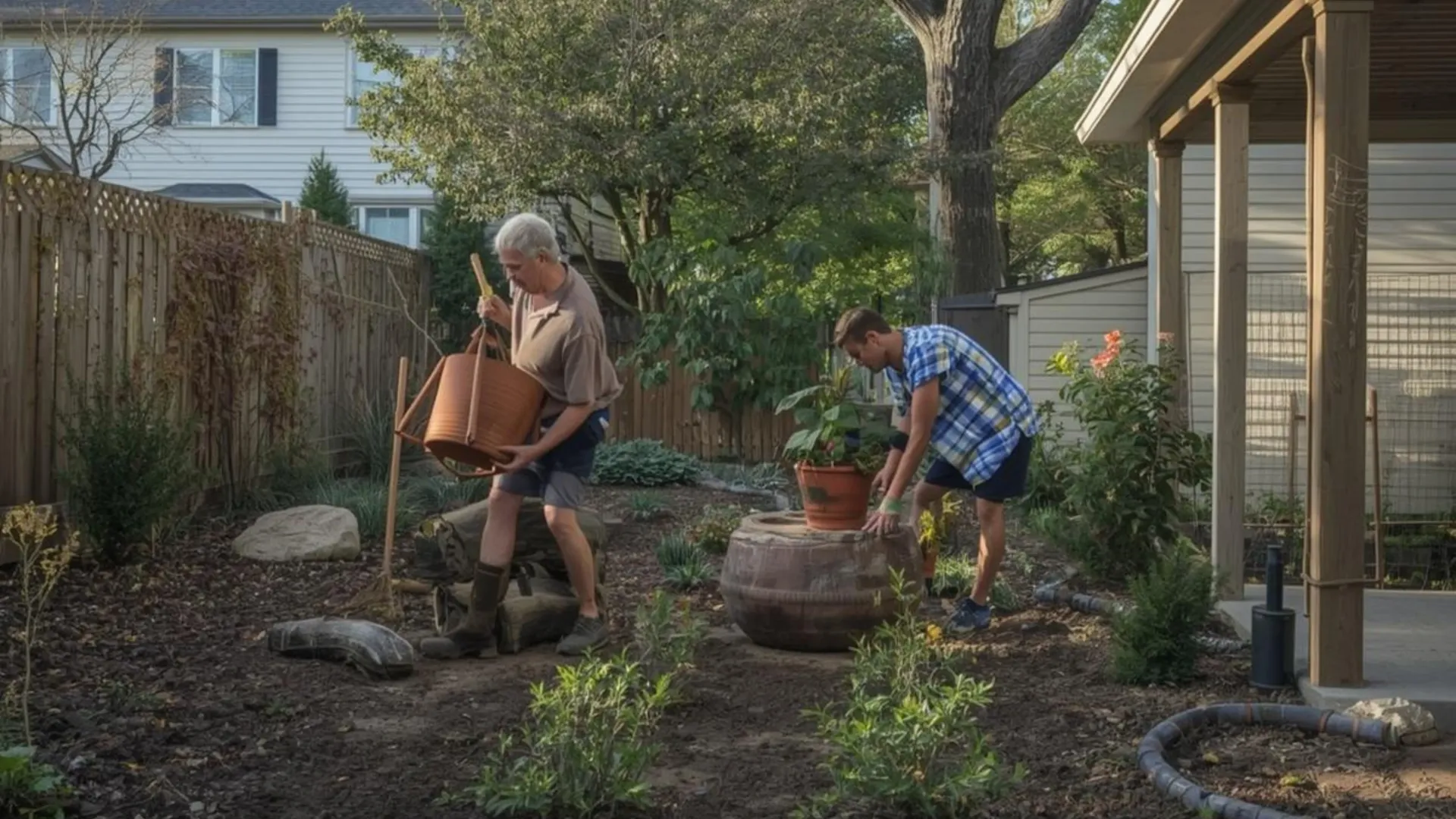
Gardening looks gentle from the outside, but it is often much more physically demanding than people expect.
A typical day in the yard can include:
- kneeling for long stretches
- bending forward over and over
- carrying soil, pots, or yard tools
- lifting awkward loads from low positions
- reaching across beds or shrubs
- moving in and out of positions your body may not use very often
That adds up quickly.
Most pain from gardening does not come from one dramatic moment. It usually builds from repeated low-level strain. Your body gets overloaded because it is spending too much time in the same positions, handling more volume than it is ready for, or asking certain joints and muscles to do more work than they should.
Your lower back often gets irritated from prolonged bending and staying folded over too long. Your knees usually get aggravated from kneeling pressure and repetitive getting up and down. Your shoulders and neck tend to flare up from reaching, carrying, and doing too much work with your arms away from your body.
Even people who think of themselves as active can feel it. Gardening uses a very specific kind of physical effort, and if your body is not prepared for it, soreness can turn into pain pretty fast.
The biggest mistake people make before they start
Most people treat gardening like a chore, not like physical work.
That is usually the mistake.
If you were about to do an activity that involved squatting, hinging, kneeling, carrying, gripping, lifting, and changing levels for an hour or two, you probably would not jump in completely cold. But that is exactly how a lot of people approach yard work.
They go from breakfast to the flower bed with no warm-up, stay out there too long, and only realize they overdid it after the damage is done.
The fix is simple: treat gardening like something your body should prepare for.
A short warm-up that actually helps
You do not need a long routine before you head outside. You just need a few minutes to wake your body up. A few simple gardening posture tips before you begin can make a real difference.
Before gardening, try:
- a 2 to 3 minute walk or march in place
- shoulder rolls
- 6 to 10 slow sit-to-stands or bodyweight squats
- a few easy hip hinges
- a few gentle upper-back or trunk rotations
The goal is not to get sweaty or tired. The goal is to get blood flowing and make the first few minutes in the yard less of a shock to your system.
That one small step can help reduce stiffness and make bending, kneeling, and lifting feel a lot better.
How to protect your back while gardening

Back discomfort usually builds when you stay in one bent position too long or keep lifting without giving your body a reset.
A few simple strategies help a lot.
Change positions more often
If you have been bent over or kneeling for several minutes, stand up, walk a bit, and reset. Your back usually tolerates changes in movement better than long periods of static position.
Use your hips, not just your spine
When you are picking things up, think about sitting your hips back slightly instead of repeatedly rounding through your lower back. That helps spread the work out more effectively.
Keep loads close to your body
Pots, bags of soil, and tools are much easier on your back when they stay close. The farther a load gets from your body, the more force your back has to manage.
Break long projects into smaller sessions
A lot of spring pain starts because people try to do a month’s worth of yard work in one weekend. Shorter sessions across several days usually go much better.
Together, these strategies can reduce gardening back pain and keep you moving.
How to reduce knee strain

Knee irritation during gardening usually comes from pressure, repetition, and staying stuck in one setup too long.
Use a knee pad
This is one of the easiest wins. A little padding can dramatically reduce irritation from kneeling.
Rotate positions
Move between kneeling, half-kneeling, squatting, and standing when you can. Spreading the load across different positions helps your knees hold up better.
Use support getting up and down
If standing back up from the ground feels hard, use a bench, planter edge, or sturdy surface for support instead of grinding through the movement over and over.
How to reduce shoulder and neck tension

Shoulder pain often starts before people realize it. It may show up first as neck tightness, upper-trap tension, or that heavy, overworked feeling in the top of the shoulders.
Keep heavier items close
Carrying pots or bags with your arms drifting away from your body makes your shoulders work much harder than they need to.
Break up repeated reaching
Pruning, setting up trellises, and reaching into shrubs can add up quickly. Switch tasks before your shoulders get overloaded.
Pay attention to tension early
Do not wait for pain. If your neck or shoulders are getting noticeably tight, that is usually the point to stop, reset, and change what you are doing.
Pacing matters more than people think
This is where many gardeners get in trouble.
Spring is motivating. You finally have nice weather, the yard needs attention, and it feels good to get outside. That often turns into trying to do everything at once.
But your body usually does better when gardening is approached in waves, not marathons.
A smarter approach looks like this:
- do the heaviest tasks first while you are freshest
- alternate ground work with standing tasks
- take short resets before you feel wiped out
- spread bigger projects across a few days
That does not mean you are taking it easy. It means you are giving your body a better chance to keep doing the things you enjoy without turning one productive day into two weeks of irritation.
When soreness is normal, and when it is not
A little stiffness after gardening is common.
What is less normal is pain that:
- keeps getting worse instead of settling down
- limits walking, bending, reaching, or kneeling
- creates lingering swelling
- feels sharp, unstable, or pinching
- keeps showing up every spring or after similar yard work
That is usually a sign your body may need more support than just better pacing. Sometimes the issue is strength. Sometimes it is mobility. Sometimes it is movement control or simple load tolerance. The point is that if the same pattern keeps repeating, there is usually a reason.
Keep gardening without paying for it for the next three days
For a lot of people in Pleasant Hill, gardening is not just yard work.
It is one of the ways you stay active, enjoy nature, take pride in your home, and get a little peace in the middle of a busy week. It feels good to be outside. It feels good to keep things beautiful. It feels good to use your body for something meaningful.
That is why gardening pain hits differently.
It is not just a sore back or an irritated knee. It is the feeling that something you love is starting to cost too much. You finally get a good day outside, then spend the next few days stiff, limited, or wondering if your body can keep up this season.
If that sounds familiar, you do not just need more willpower or better luck next weekend. You may need a body that is better prepared for the bending, kneeling, lifting, carrying, and time-on-your-feet demands of gardening.
At Royal Blue Fitness in Pleasant Hill, we help people build the strength, mobility, and movement control to keep doing the real-life activities they care about, including gardening, yard work, and staying active outdoors without constantly paying for it afterward. Our aim is simple: help you keep gardening without pain while staying active all season.
If your goal is to enjoy your yard, stay independent, and move through spring feeling strong instead of stiff, start with a Strength and Range of Motion Assessment or give us a call. We will help you figure out why gardening keeps flaring things up, what your body needs most, and what the next right step looks like so you can keep doing what you love with more confidence and a lot less backlash.
FAQ
Why do back, knee, and shoulder aches show up when gardening season starts?
Because gardening often includes more bending, kneeling, lifting, carrying, and reaching than people realize. Even if you are generally active, the total workload can add up quickly and irritate areas that are not ready for it.
What should I do before I start gardening?
A short warm-up helps a lot. A few minutes of walking, squats, shoulder rolls, and gentle movement prep can make your body feel much better once you start.
What is the best way to protect my back while gardening?
Change positions often, keep loads close to your body, and avoid staying bent over too long without standing up and resetting.
How can I make kneeling easier on my knees?
Use a knee pad, rotate positions often, and use support when getting up and down from the ground.
When should I stop trying to fix it myself?
If the pain keeps returning, gets worse, limits your movement, or starts interfering with your ability to enjoy everyday activities, it is worth getting it looked at. That is especially true if gardening seems to trigger the same issue every season.
Here are our latest articles! Click to read more.