Breaking the Cycle: Effective Strategies for Sustainable Weight Loss
Sustainable Weight Loss Starts With a Plan You Can Repeat
Most people do not struggle with weight loss because they lack willpower. They struggle because the plan they were given was too extreme, too vague, too painful, or too disconnected from real life.
Maybe you have tried cutting calories hard, joining a gym, starting over on Monday, or pushing through workouts that left your joints sore and your confidence lower than before. That cycle is frustrating, and it is also common. Sustainable weight loss works better when the plan is built around your body, your schedule, your health history, and your ability to repeat the process consistently.
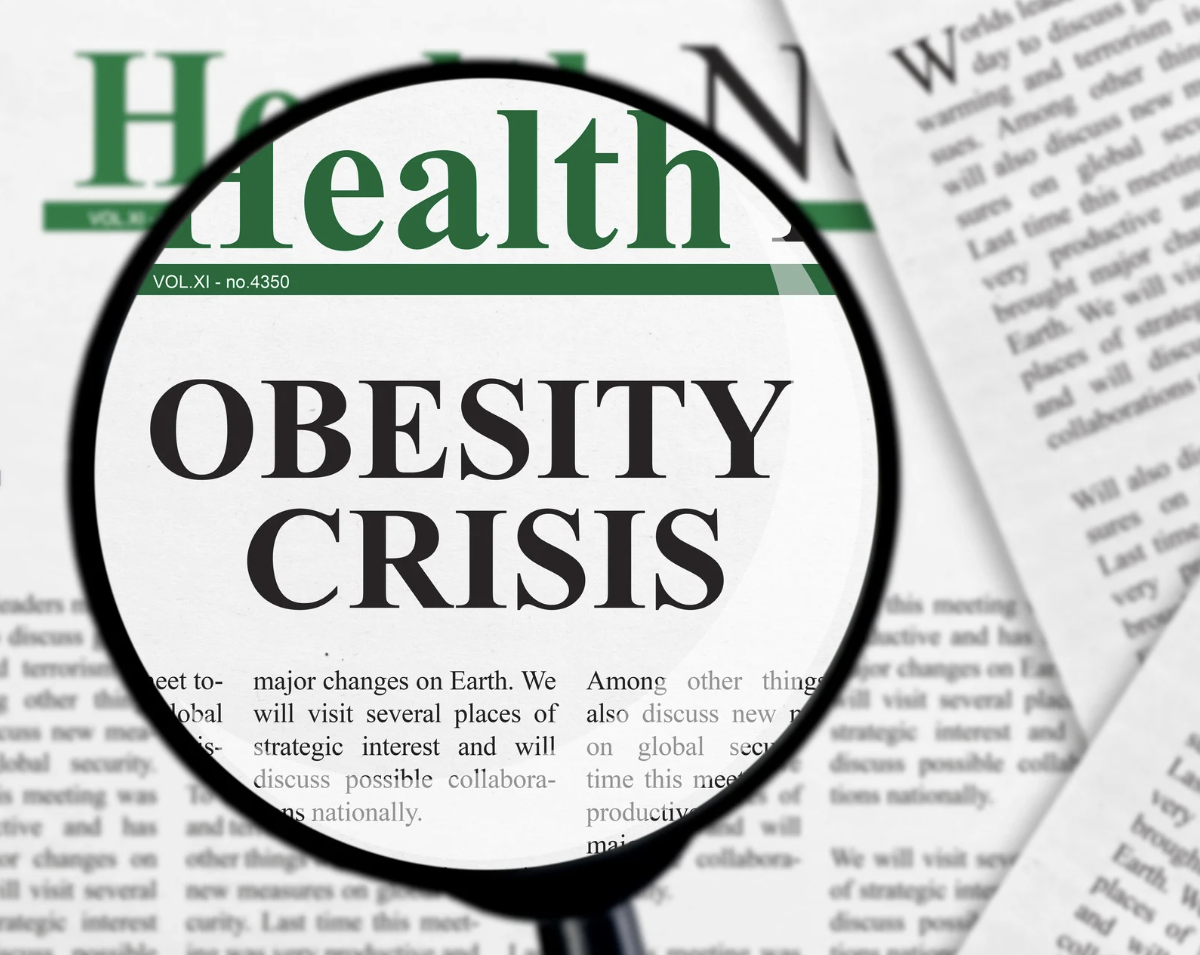
Obesity is still an important health topic. Recent CDC/NCHS data estimate that 40.3% of U.S. adults age 20 and over had obesity during August 2021 through August 2023 (Fryar, Afful, & Saif, 2026). Obesity is associated with higher risk for conditions such as type 2 diabetes, heart disease, joint pain, and reduced quality of life, but the solution should not start with shame. It should start with a clear, realistic system.
This guide breaks down practical obesity management strategies you can actually use: strength training, realistic nutrition habits, behavior change, and support. If you are local to Pleasant Hill or the East Bay, it also explains how Royal Blue Fitness approaches sustainable weight loss through assessment, coaching, and progressive training.
Understanding Obesity Without Reducing You to a Number
Obesity is commonly classified as a body mass index, or BMI, of 30 or higher. BMI can be useful as a screening tool, but it does not tell the whole story. It does not show your strength, mobility, body composition, pain history, training readiness, sleep quality, or daily habits.
That is why sustainable weight loss should not be built around the scale alone. A better plan looks at several factors:
- How your body moves
- How your joints tolerate exercise
- How much strength and muscle you currently have
- What your eating patterns look like in real life
- What barriers keep interrupting consistency
- Whether medical support is needed
Major medical sources also emphasize that obesity treatment is not one single tactic. Mayo Clinic describes treatment as a combination of eating changes, increased activity, behavior change, and, when appropriate, medical support (Mayo Clinic Staff, 2025).
That is the right frame. Obesity management is not a crash diet. It is not one perfect workout. It is not a supplement, cleanse, or punishment plan. It is a coordinated approach that helps you build habits, improve fitness, manage risk, and stay consistent long enough to create change.
The Health Risks of Obesity Are Real, But Shame Does Not Help
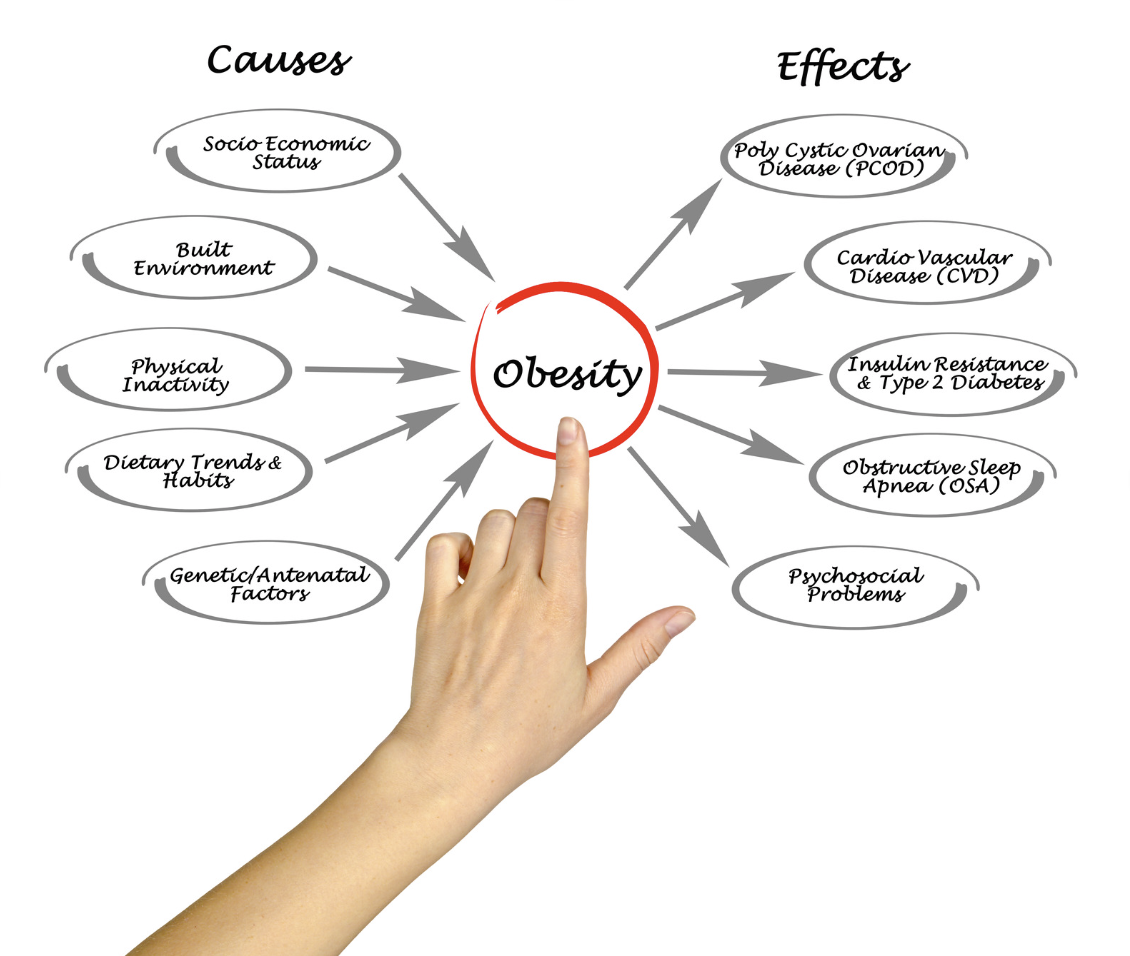
There is no need to minimize the health risks of obesity. Excess body weight can increase stress on the cardiovascular system, joints, metabolism, and daily function. It can also affect sleep, energy, confidence, and quality of life.
But many people already know obesity carries health risks. What they need is not another lecture. They need a plan that feels possible.
A more helpful question is:
What would make healthy change repeatable for you?
For some people, the first barrier is joint pain. For others, it is low energy, inconsistent sleep, emotional eating, time pressure, food planning, or fear of being judged in a gym. Some people have tried so many times that they no longer trust themselves to start again.
That is why weight loss support has to be practical, not just motivational. The plan has to meet the real person in front of it.
The Role of Exercise in Obesity Management in Pleasant Hill
Exercise helps with weight management, but not only because it burns calories. A good exercise plan helps you build muscle, improve joint tolerance, increase daily energy use, reduce stiffness, and feel more capable in your body.
The CDC recommends that adults get at least 150 minutes of moderate-intensity aerobic activity each week and at least 2 days of muscle-strengthening activity (Centers for Disease Control and Prevention, 2023). For weight management specifically, the CDC notes that physical activity supports both weight loss and weight maintenance, though the amount needed varies by person (Centers for Disease Control and Prevention, 2026).
At Royal Blue Fitness, we would frame exercise for obesity management around three priorities.
1. Strength Training Comes First
Strength training is one of the most important tools for sustainable weight loss because it changes what your body can do.
It helps preserve and build muscle, supports joint stability, improves daily function, and can make everyday movement feel less exhausting. Mayo Clinic explains that strength training can help preserve and enhance muscle mass at any age and may help manage weight by increasing metabolism and calorie use (Mayo Clinic Staff, 2023).
This matters because many people try to lose weight by doing more and more cardio while eating less and less food. That can work temporarily, but it often leaves people tired, sore, hungry, and inconsistent.
Strength training gives the plan a better foundation.
A good strength plan may include:
- Squat or sit-to-stand patterns
- Hip hinge patterns
- Push and pull movements
- Carrying patterns
- Core and trunk control
- Joint-friendly progressions
- Low-impact conditioning support
The goal is not to crush yourself. The goal is to build capacity.
2. Cardio Supports the Plan
Cardio still matters. Walking, cycling, rowing, incline treadmill work, swimming, and other moderate-intensity activities can improve cardiovascular wellness, support calorie balance, and help with long-term weight maintenance.
But cardio should be matched to your body.
If walking feels good, walking is a great place to start. If your knees or feet flare up with long walks, cycling or rowing may be a better early option. If your stamina is low, short intervals of movement throughout the day may be more realistic than one long session.
A good cardio plan should answer three questions:
- Can you recover from it?
- Can you repeat it?
- Does it help the rest of your plan instead of making you feel beaten down?
For sustainable weight loss, consistency beats intensity that you cannot maintain.
3. HIIT Can Help, But Only When Scaled
HIIT for weight loss can be useful for some people, but it is not the starting point for everyone.
High-intensity interval training gets marketed as the fastest solution, but intensity only helps when your body is ready for it. If you are newer to exercise, returning after a long break, carrying joint pain, or feeling nervous in a gym environment, high-impact circuits may create more problems than progress.
A better version of HIIT is scalable.
That might mean:
- Bike intervals instead of jump squats
- Incline walking intervals instead of sprinting
- Low-impact strength circuits instead of bootcamp-style workouts
- Short work periods with enough rest to maintain good form
- Progressing intensity only after your joints, breathing, and recovery can handle it
HIIT is not magic. It is a tool. Like any tool, it works best when it fits the person using it.

Nutrition Strategies That Support Sustainable Weight Loss
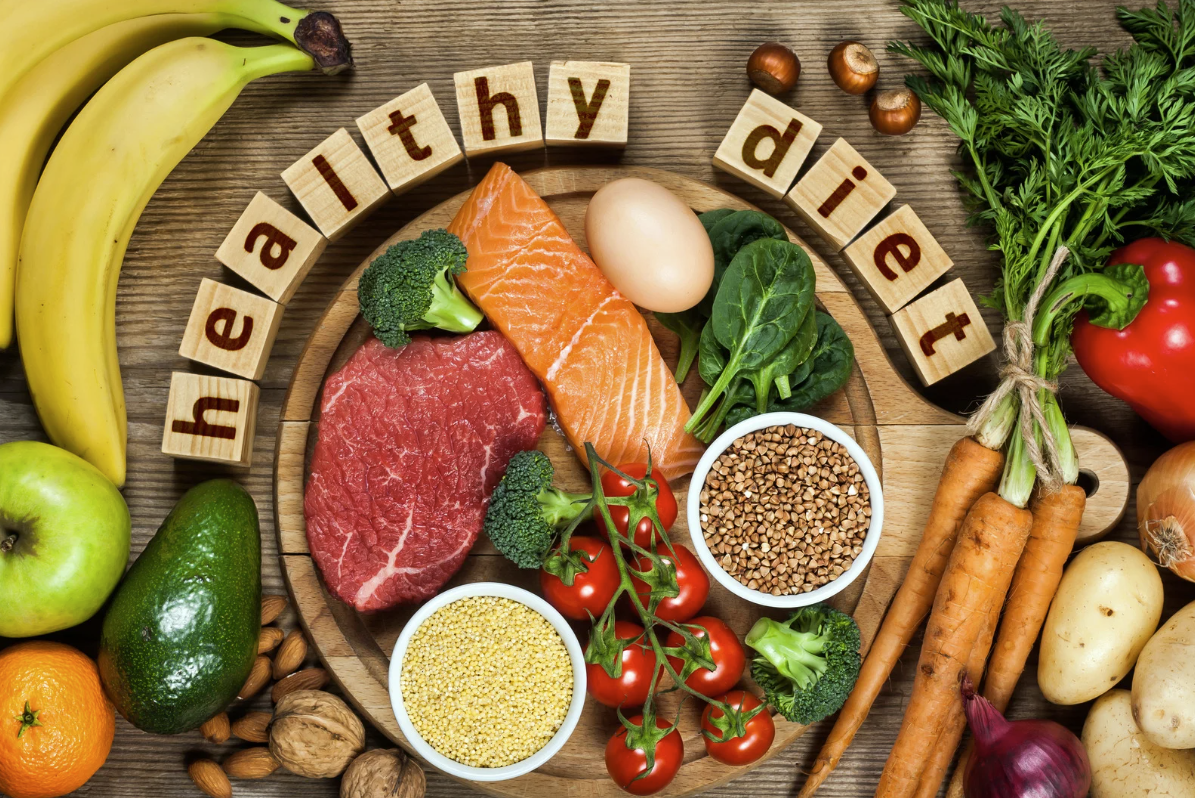
Nutrition matters, but the best nutrition plan is not always the strictest one. It is the one you can follow consistently, adjust when life changes, and use without feeling like every meal is a pass-or-fail test.
The National Institute of Diabetes and Digestive and Kidney Diseases explains that a safe weight-loss program should include a healthy, reduced-calorie eating plan, physical activity when appropriate, support for adopting habits, and a plan for keeping weight off (NIDDK, n.d.).
For most people, the starting point is not a perfect meal plan. It is a few repeatable habits:
- Build meals around protein, produce, and high-fiber carbohydrates.
- Reduce liquid calories and highly processed snacks that are easy to overeat.
- Keep portions realistic instead of relying on extreme restriction.
- Plan simple meals ahead of the highest-risk parts of your week.
- Create go-to meals that do not require constant decision-making.
- Treat consistency as the goal, not perfection.
The biggest mistake is trying to build a nutrition plan for your ideal week instead of your real week.
Your real week includes work, stress, family obligations, social events, fatigue, cravings, and days where cooking feels impossible. Sustainable weight loss strategies account for that. They give you structure without making life feel smaller.
Portion Control Without Obsession
Portion control can help, but it does not need to become obsessive tracking forever.
A practical approach is to start by noticing patterns:
- Are you skipping meals and overeating later?
- Are snacks becoming full meals without structure?
- Are drinks adding more calories than you realize?
- Are weekends undoing weekday consistency?
- Are portions larger when you are tired, stressed, or rushed?
The goal is not to judge the pattern. The goal is to find the lever that matters most.
Sometimes the most effective nutrition change is simple:
- Add protein at breakfast.
- Keep higher-satiety snacks available.
- Eat before you become overly hungry.
- Serve dinner on a plate instead of eating from containers.
- Plan one reliable lunch you can repeat during busy weeks.
That may sound less dramatic than a 30-day challenge, but it is far more useful for long-term behavior change.
Behavior Change Is Where the Plan Becomes Sustainable
Most people know the basics: move more, eat better, sleep more, drink water, manage stress.
The problem is not awareness. The problem is execution.
Behavior change is the bridge between knowing what to do and actually doing it when life gets busy. That is why obesity management strategies need to include more than workouts and meal ideas.
They need systems.
A useful system might include:
- A consistent training schedule
- A simple food planning rhythm
- A weekly check-in
- Progress tracking beyond the scale
- A plan for travel, holidays, and stressful weeks
- Clear rules for what to do after a missed workout
- Support when motivation drops
The most important rule is this: never let one off day become a full restart.
You do not need to be perfect to make progress. You need to return to the plan quickly.
Progress Is More Than the Scale
The scale can be useful, but it should not be the only way you measure progress.
In the first weeks of a better training and nutrition plan, you may notice changes before the scale catches up:
- Walking feels easier.
- Stairs feel less intimidating.
- Your knees or back feel less irritated.
- You have more energy later in the day.
- Your clothes fit differently.
- Your workouts feel more controlled.
- You feel less out of breath during daily tasks.
- You recover faster between sessions.
- You feel more confident showing up.
These changes matter.
For many people, sustainable weight loss begins when they stop seeing exercise as punishment and start seeing it as evidence that their body can change.
How Royal Blue Fitness Approaches Obesity Management in Pleasant Hill
At Royal Blue Fitness, we do not start with random workouts. We start by understanding the person in front of us.
That matters because sustainable weight loss is not only about burning calories. It is about building a body that can tolerate training, recover from training, and repeat training long enough to create change.
Our process starts with a Strength and Range of Motion Assessment. From there, we look at your movement patterns, joint limitations, strength gaps, exercise history, goals, and current barriers. Then we build a plan that matches your starting point.
Our coaching approach focuses on:
- Strength training that builds capacity instead of beating you up
- Joint-friendly exercise progressions
- Low-impact conditioning when appropriate
- Habit structure around consistency and recovery
- Clear progress tracking
- Supportive accountability without shame
If you have obesity-related medical concerns, we are not here to replace your physician, registered dietitian, or medical team. We are here to help you train safely, build strength, improve consistency, and create a fitness plan that supports your larger health goals.
What the First Phase Should Feel Like
A good first phase should not feel like punishment. It should feel like structure.
You should know what you are doing, why you are doing it, and how it connects to the next step. The first month is often about building trust with the process.
That may include:
- Learning safe movement patterns
- Improving range of motion
- Building basic strength
- Finding cardio options that do not flare pain
- Creating a realistic weekly routine
- Building confidence in the gym
- Identifying nutrition habits that need the most support
The goal is not to do everything at once. The goal is to create momentum you can keep.
When Medical Support Should Be Part of the Plan
Fitness coaching can play an important role in weight management, but some situations need medical support.
Talk with a healthcare professional if you have:
- Chest pain, fainting, or unexplained shortness of breath
- Uncontrolled blood pressure
- Diabetes or blood sugar concerns
- Significant joint pain
- Sleep apnea symptoms
- A history of weight-loss medication or bariatric surgery
- Sudden unexplained weight changes
- Concerns about eating disorder history or disordered eating patterns
Mayo Clinic notes that obesity treatment may involve a team of health professionals, including medical, nutrition, behavioral, and obesity specialists when appropriate (Mayo Clinic Staff, 2025).
That is not a reason to delay fitness. It is a reason to build the right team around your goals.
FAQ: Sustainable Weight Loss and Obesity Management
What are the best sustainable weight loss strategies?
The best sustainable weight loss strategies combine realistic nutrition habits, regular physical activity, strength training, behavior change, and ongoing support. NIDDK recommends looking for programs that include a healthy, reduced-calorie eating plan, physical activity when appropriate, habit support, progress tracking, and a plan for maintaining weight loss (NIDDK, n.d.).
How much exercise do I need for weight loss?
For general health, the CDC recommends at least 150 minutes of moderate-intensity aerobic activity each week plus 2 days of strength training (Centers for Disease Control and Prevention, 2023). For weight loss or long-term weight maintenance, some people need more activity, but the right amount depends on your body, health history, recovery, and nutrition plan.
Is HIIT good for weight loss?
HIIT can support weight loss, but it should be scaled. If you are new to training, returning after a long break, or dealing with joint pain, low-impact intervals may be a better starting point than jumping, sprinting, or high-fatigue circuits. HIIT for weight loss works best when it is recoverable, repeatable, and part of a larger strength and nutrition plan.
Why is strength training important for obesity management?
Strength training helps build and preserve muscle, improves daily function, supports joint stability, and can make everyday movement easier. Mayo Clinic explains that strength training can help preserve and enhance muscle mass and may support weight management by increasing metabolism and calorie use (Mayo Clinic Staff, 2023).
Should I focus on weight loss first or fitness first?
For many people, fitness is the better first focus. Building strength, improving movement, and creating consistency often make weight loss more realistic. You do not have to wait until you lose weight to train. A well-designed training plan can be part of how you start feeling better now.
Should I talk to my doctor before starting a weight-loss plan?
Yes, especially if you have medical conditions, take medications, have chest pain, dizziness, uncontrolled blood pressure, diabetes, significant joint pain, or a history of weight-loss medications or surgery. Medical input helps make sure your weight-loss plan is safe and appropriate for your health status.
Breaking the Cycle Starts With a Better System
Sustainable weight loss does not come from finding the hardest diet or the most exhausting workout. It comes from building a system you can repeat.
That system should include strength training, realistic nutrition habits, conditioning that matches your body, behavior support, and enough flexibility to survive real life. It should also respect your joints, your history, your confidence, and your starting point.
If you are in Pleasant Hill or nearby in the East Bay and you are tired of starting over, Royal Blue Fitness can help you build a safer, more structured path forward. Start with a Strength and Range of Motion Assessment so we can understand where you are now, what your body needs, and how to build your next phase without guesswork.
Power in Progress, Meaning in Motion.
Here are our latest articles! Click to read more.