The Silent Killer: Proactive Strategies for Controlling Hypertension
Introduction: High Blood Pressure Can Be Quiet, But the Numbers Matter
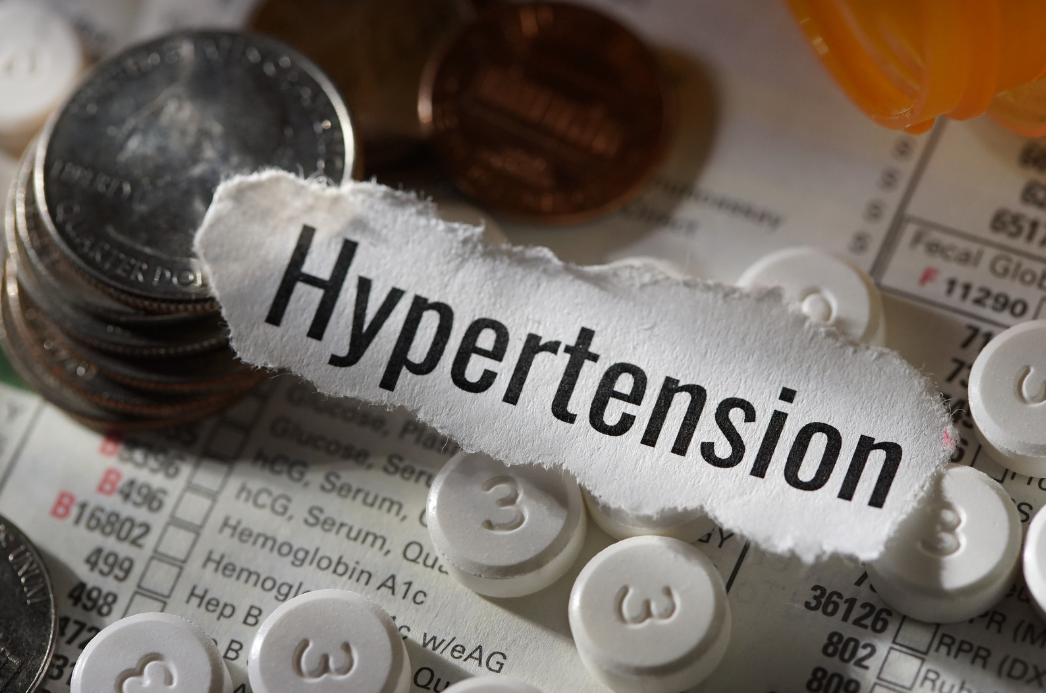
Hypertension is often called the “silent killer” because many people do not feel anything unusual while their blood pressure is running too high.
That is what makes it dangerous.
You may feel normal. You may work, train, take care of your family, and move through your day without obvious symptoms. But inside the body, consistently elevated blood pressure can place extra strain on the heart, arteries, brain, kidneys, and blood vessels over time.
The World Health Organization estimates that 1.4 billion adults ages 30 to 79 had hypertension worldwide in 2024, and many people with hypertension are unaware they have it (World Health Organization [WHO], 2025).
That statistic is serious, but this article is not here to scare you. The goal is to help high blood pressure feel more understandable, more practical, and more manageable.
Hypertension control is not built from one habit alone. It is built from several connected levers:
- Blood pressure monitoring
- Medical follow-up
- Medication when prescribed
- Exercise for hypertension control
- A heart-healthy diet
- Sodium awareness
- Weight management when appropriate
- Stress management
- Sleep and recovery
- Consistency over time
This article will walk through what hypertension means, why the numbers matter, how exercise helps, which lifestyle changes can lower blood pressure, and how Royal Blue Fitness approaches hypertension-friendly training in Pleasant Hill.
This is general education, not medical advice. If you have high blood pressure, heart disease, chest pain, dizziness, shortness of breath, fainting, kidney disease, diabetes, or concerns about exercise safety, talk with your healthcare provider before beginning or changing your exercise routine.
What Hypertension Actually Means
Blood pressure is the force of blood pushing against the walls of your arteries.
Every blood pressure reading includes two numbers:
- Systolic pressure: the top number, which reflects pressure when the heart contracts and pushes blood out.
- Diastolic pressure: the bottom number, which reflects pressure when the heart rests between beats.
A healthy cardiovascular system needs pressure to move blood through the body. The problem is not pressure itself. The problem is pressure that stays too high too often.
The 2025 AHA/ACC guideline framework classifies blood pressure this way: normal is below 120/80 mm Hg, elevated is 120 to 129 systolic with less than 80 diastolic, stage 1 hypertension is 130 to 139 systolic or 80 to 89 diastolic, and stage 2 hypertension is 140 or higher systolic or 90 or higher diastolic (American Heart Association/American College of Cardiology [AHA/ACC], 2025).
That does not mean you should diagnose yourself from one reading. Blood pressure can change because of stress, caffeine, exercise, poor sleep, pain, illness, medication timing, or even how the reading is taken.
But if readings are repeatedly high, they deserve attention.
The number matters because it tells you how much pressure your cardiovascular system is repeatedly working against.
Why Hypertension Is So Risky
High blood pressure can damage blood vessels over time.
When pressure stays elevated, arteries may become stiffer or more damaged. The heart has to work harder to pump blood. The kidneys, eyes, brain, and other organs can be affected because they depend on healthy blood flow.
Uncontrolled hypertension increases the risk of:
- Heart attack
- Stroke
- Heart failure
- Kidney disease
- Vision problems
- Peripheral artery disease
- Cognitive decline
- Atrial fibrillation and other cardiovascular complications
That is why controlling blood pressure is not just about “getting a better number.” It is about protecting the organs and systems that help you live with strength, independence, and confidence.
The encouraging part is that blood pressure is highly responsive to lifestyle, medical care, and consistency.
That does not mean everyone can avoid medication. Many people need medication, and that is not a failure. But lifestyle changes still matter because they support the bigger system.
Modifiable and Non-Modifiable Risk Factors
Some hypertension risk factors cannot be changed. Others can be influenced.
Non-Modifiable Risk Factors
These are factors you cannot directly change:
- Age
- Family history
- Genetics
- Certain medical conditions
- Race and ethnicity-related risk patterns
- History of pregnancy-related blood pressure conditions
You cannot control those factors, but knowing them can help you take monitoring and prevention more seriously.
Modifiable Risk Factors
These are factors you can often improve or manage:
- Physical inactivity
- High sodium intake
- Low intake of potassium-rich foods
- Excess alcohol intake
- Smoking or tobacco use
- High stress load
- Poor sleep
- Excess body weight when relevant
- Low cardiovascular fitness
- Poor diet quality
- Inconsistent medical follow-up
The AHA/ACC guideline emphasizes lifestyle changes such as healthy weight, DASH-style eating, reducing sodium, increasing dietary potassium when appropriate, regular physical activity, stress management, and reducing or eliminating alcohol to help prevent or treat elevated blood pressure and hypertension (AHA/ACC, 2025).
That is the key idea: hypertension control is not one decision. It is a pattern.
Medication, Monitoring, and Why Lifestyle Still Matters
Some people can lower blood pressure through lifestyle changes alone. Others need medication. Many need both.
Blood pressure medicines work in different ways. MedlinePlus explains that ACE inhibitors and ARBs help keep blood vessels from narrowing as much, calcium channel blockers help blood vessels relax, diuretics remove extra water and sodium, and beta-blockers help the heart beat slower and with less force (MedlinePlus, 2024).
Medication is not a shortcut or a weakness. It is a tool.
But lifestyle still matters because medication does not replace the value of:
- Being physically active
- Eating in a heart-supportive way
- Reducing excess sodium
- Managing stress
- Getting enough sleep
- Limiting alcohol
- Tracking blood pressure
- Keeping medical appointments
For exercise specifically, medication can affect how your body feels.
For example:
- Beta-blockers may blunt heart-rate response, so perceived effort and breathing may be more useful than heart rate alone.
- Diuretics can affect hydration, especially during warm weather or longer exercise sessions.
- Some medications can change how blood pressure responds to exertion, which is one reason monitoring matters.
Do not change medication timing or dosage on your own. If exercise feels unusual, your readings change, or you are unsure how to train safely, talk with your healthcare provider
Exercise for Hypertension Control
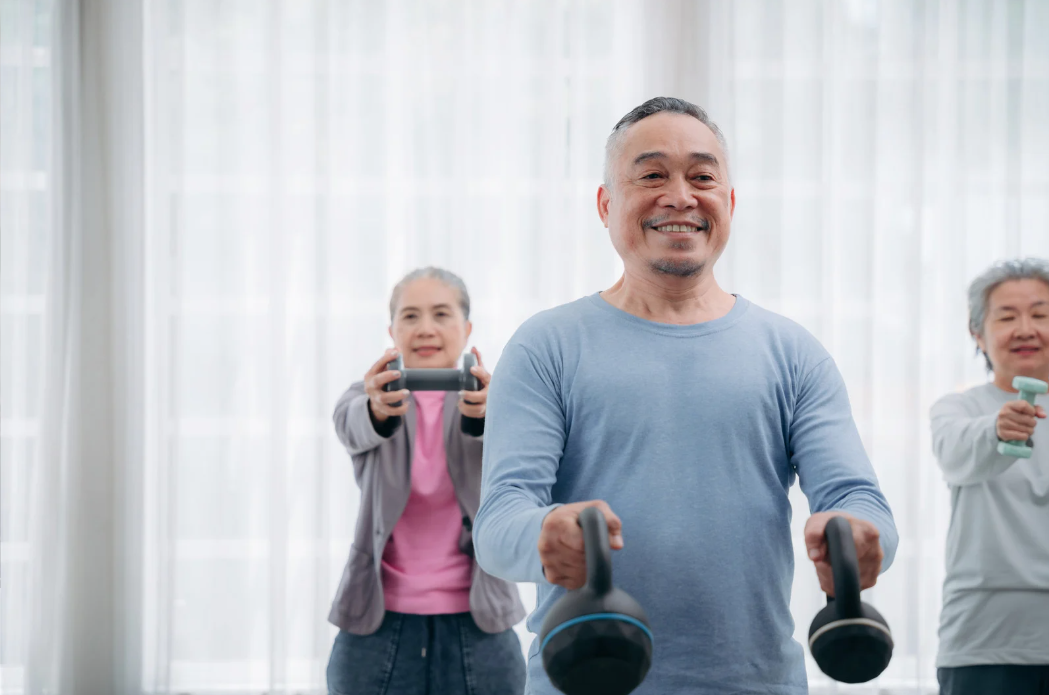
Exercise is one of the strongest lifestyle tools for blood pressure management.
The American Heart Association recommends getting at least 150 minutes per week of moderate-intensity aerobic activity, or 75 minutes of vigorous aerobic activity, preferably spread throughout the week. The AHA also supports using a combination of aerobic exercise and resistance training, increasing gradually over time, and spending less time sitting (American Heart Association [AHA], 2025).
Exercise helps because it can:
- Strengthen the heart
- Improve blood vessel function
- Support weight management
- Reduce stress
- Improve sleep
- Improve insulin sensitivity
- Increase daily energy
- Build confidence in your body
The key is consistency.
One extremely intense workout once in a while is not the goal. A repeatable weekly rhythm is the goal.
For many people, that starts with walking. For others, it may start with cycling, swimming, rowing, light strength training, or supervised sessions where someone can help monitor intensity and form.
The best exercise for hypertension control is not the most impressive exercise. It is the exercise you can perform safely, recover from, and repeat.
The Best Exercises to Lower Blood Pressure
There is no single “best” exercise for everyone with hypertension.
The best plan usually combines aerobic exercise, resistance training, mobility, and recovery.
Aerobic Exercise
Aerobic exercise raises your heart rate and breathing for a sustained period.
Good options include:
- Brisk walking
- Cycling
- Swimming
- Rowing
- Dancing
- Hiking
- Water aerobics
- Low-impact cardio machines
For many people, brisk walking is the safest and most realistic starting point. It is easy to scale, does not require special equipment, and can be repeated frequently.
Strength Training
Strength training is also important.
It helps preserve muscle, improve daily function, support joint health, and make activity easier to sustain. The AHA includes dynamic resistance exercises, such as short repetitions with weights, and isometric resistance, such as tightening a muscle group during a plank, as part of a blood-pressure-supportive activity plan (AHA, 2025).
Strength training may include:
- Sit-to-stand exercises
- Squats
- Step-ups
- Rows
- Presses
- Carries
- Hip hinges
- Resistance bands
- Dumbbells
- Cable machines
- Body-weight exercises
The goal is not to strain, hold your breath, or grind through maximal lifts. The goal is controlled effort, good breathing, gradual progression, and consistent practice.
Mobility and Flexibility
Mobility and flexibility do not replace cardio or strength training, but they help people move better and stay consistent.
Mobility work can help:
- Reduce stiffness
- Improve exercise technique
- Support posture
- Make strength training feel safer
- Improve confidence with movement
Balance and Coordination
Balance work matters for many adults, especially adults 50-plus, people returning after inactivity, and anyone who feels unsteady.
Balance training may include:
- Supported single-leg balance
- Step taps
- Farmer carries
- Slow marching drills
- Controlled changes of direction
A well-rounded plan does more than lower numbers. It helps you move through life with more control.
How to Exercise Safely With High Blood Pressure
Exercise should feel challenging, not frightening.
If you are new to exercise or managing hypertension, the first goal is to build trust with your body.
Start Gradually
Do not begin with the hardest version.
Start with:
- 10 to 20 minutes of walking
- Light resistance training
- Longer warm-ups
- Lower-impact options
- Moderate intensity
- More rest between exercises
Build time first. Then build intensity.
Warm Up and Cool Down
A good warm-up helps your heart and blood vessels move gradually from rest to activity.
A good cool-down helps your body transition back down. The AHA notes that stopping exercise too quickly can cause blood pressure to drop sharply, which can be dangerous for some people (AHA, 2025).
A simple structure:
- 5 minutes easy movement before training
- Main workout
- 5 minutes easier movement after training
- Calm breathing before leaving
Do Not Hold Your Breath During Strength Training
Breath-holding can raise blood pressure during effort.
A simple cue:
Exhale through the hardest part of the movement.
For example:
- Exhale as you stand from a squat.
- Exhale as you press.
- Exhale as you row.
- Exhale as you lift.
Use Effort, Not Just Heart Rate
If you take beta-blockers or other medications that affect heart rate, your heart rate may not rise the way you expect.
Use perceived effort:
- Easy: you can talk comfortably.
- Moderate: you can speak in short sentences.
- Hard: speaking more than a few words is difficult.
Most beginners with hypertension should spend more time in easy to moderate zones before adding harder work.
Monitor Your Blood Pressure Response
It can be helpful to track blood pressure at home if your provider recommends it.
Track:
- Resting readings
- Readings at consistent times
- How exercise affects you
- Symptoms such as dizziness, chest pressure, unusual shortness of breath, or lightheadedness
If something feels off, stop and seek medical guidance.

Diet for High Blood Pressure: The DASH Pattern
A heart-healthy diet can make a meaningful difference in hypertension control.
The DASH eating plan, which stands for Dietary Approaches to Stop Hypertension, was developed to support blood pressure and heart health. NHLBI describes DASH as a flexible, balanced eating pattern that emphasizes vegetables, fruits, whole grains, low-fat or fat-free dairy products, fish, poultry, beans, nuts, seeds, and vegetable oils while limiting foods high in saturated fat, sugar-sweetened beverages, sweets, and sodium (National Heart, Lung, and Blood Institute [NHLBI], 2026).
DASH is helpful because it is not a gimmick diet.
It focuses on:
- More fruits and vegetables
- More whole grains
- More potassium, magnesium, calcium, fiber, and protein
- Lean proteins
- Beans, nuts, and seeds
- Lower sodium
- Less saturated fat
- Fewer sugar-sweetened foods and drinks
This is the kind of diet for high blood pressure that can fit real life because it does not require special foods. It requires a pattern.
Sodium, Potassium, and Real-Life Eating
Sodium matters because high sodium intake can contribute to elevated blood pressure in many people.
NHLBI’s DASH guidance lists 2,300 mg sodium per day as a standard DASH target and notes that 1,500 mg can lower blood pressure even further than 2,300 mg for some people (NHLBI, 2026).
But most people do not need a complicated nutrition overhaul on day one.
Start with practical steps:
- Choose lower-sodium versions of foods you already eat.
- Reduce fast food frequency.
- Limit deli meats, canned soups, chips, frozen meals, and packaged snacks.
- Use herbs, spices, garlic, lemon, vinegar, and pepper for flavor.
- Read labels on sauces, dressings, and condiments.
- Add more vegetables and fruit.
- Build meals around protein and fiber.
Potassium-rich foods can also support blood pressure, but potassium guidance should be individualized if you have kidney disease or take medications that affect potassium. Do not aggressively supplement potassium without medical guidance.
Potassium-rich foods may include:
- Potatoes
- Sweet potatoes
- Spinach
- Beans
- Lentils
- Bananas
- Avocado
- Yogurt
- Tomatoes
- Oranges
The practical goal is not to eat perfectly. The goal is to make your usual meals more blood-pressure-friendly.
Lifestyle Changes to Lower Blood Pressure
Exercise and diet are major levers, but they are not the only ones.
Mayo Clinic outlines several lifestyle changes that can lower blood pressure and reduce heart disease risk, including weight management when appropriate, regular exercise, a healthy diet, less sodium, limiting alcohol, quitting smoking, getting sleep, and reducing stress (Mayo Clinic Staff, 2026).
That list can feel overwhelming, so simplify it.
Think in layers:
Layer 1: Measure
Know your numbers.
- Blood pressure
- Cholesterol
- Blood sugar if relevant
- Weight or waist changes if relevant
- Sleep quality
- Weekly activity
Layer 2: Move
Create a realistic weekly exercise rhythm.
- Walk
- Strength train
- Stretch
- Sit less
- Progress gradually
Layer 3: Eat
Choose a heart-supportive pattern.
- More plants
- More fiber
- Less sodium
- Lean proteins
- Fewer ultra-processed foods
- Moderate alcohol
Layer 4: Recover
Support your nervous system.
- Sleep
- Stress tools
- Breathing
- Social support
- Rest days
The strongest plan is not the most extreme plan. It is the plan you can repeat.
Stress Management for High Blood Pressure
Stress can affect blood pressure directly and indirectly.
During stress, the body releases hormones that increase heart rate and constrict blood vessels. This can raise blood pressure temporarily. Long-term stress is more complicated, but the American Heart Association notes that stress can contribute to risk factors such as poor diet, too much alcohol, and unhealthy coping habits (American Heart Association, 2025).
Stress management for high blood pressure is not just about “relaxing.”
It is about creating regular ways for your body to downshift.
Helpful tools include:
- Walking
- Strength training at a controlled intensity
- Breathing exercises
- Prayer or meditation
- Yoga
- Journaling
- Time outdoors
- Therapy or counseling when needed
- Social support
- Reducing overcommitment
- Better sleep routines
Exercise can be especially useful because it gives stress a physical outlet.
A walk can clear mental noise. A strength session can turn tension into controlled effort. Breathing work can help your body return to baseline.
The point is not to eliminate stress. The point is to recover from stress more effectively.
Sleep and Blood Pressure
Sleep is not separate from blood pressure.
Mayo Clinic notes that regularly sleeping less than six hours may contribute to high blood pressure, and that poor sleep can make blood pressure worse in people who already have hypertension (Mayo Clinic Staff, 2024).
Sleep affects:
- Stress hormones
- Appetite
- Energy
- Exercise consistency
- Recovery
- Mood
- Metabolism
- Blood pressure regulation
Simple sleep supports include:
- Keep a consistent sleep and wake schedule.
- Reduce late caffeine.
- Limit screens before bed.
- Keep the room cool and dark.
- Build a short wind-down routine.
- Talk to your provider if you snore heavily, wake up gasping, or suspect sleep apnea.
Sleep is not a luxury habit. It is part of your blood pressure plan.

How Royal Blue Fitness Supports Hypertension-Friendly Training in Pleasant Hill
At Royal Blue Fitness, we support clients with hypertension or blood pressure concerns through safe, structured fitness programming.
We are not a medical clinic, and we do not replace your physician, cardiologist, registered dietitian, pharmacist, or medical team. We do not diagnose hypertension, prescribe medication, or provide medical treatment.
Our role is to help you build a training plan that supports your broader health goals.
That starts with understanding your body.
For many clients, the first step is a Strength and Range of Motion Assessment. This helps us understand:
- How your joints move
- Where strength is limited
- What exercises feel safe
- Your current conditioning level
- Your movement history
- Your goals
- Your barriers to consistency
From there, a hypertension-friendly fitness plan may include:
- Low-impact aerobic conditioning
- Strength training scaled to your current ability
- Mobility and flexibility work
- Balance and coordination when needed
- Breathing and pacing cues
- Progressive programming
- Support for consistency
- Adjustments based on your medical guidance
The goal is not to overwhelm you with a perfect plan. The goal is to help you become stronger, more consistent, and more confident while respecting your health context.
If you are in Pleasant Hill or nearby in the East Bay and want help building a safer, more structured fitness plan, Royal Blue Fitness can help you take the next step.
FAQ: Exercise and Hypertension Control
Why is hypertension called the silent killer?
Hypertension is called the silent killer because it often has no obvious symptoms while still increasing the risk of heart attack, stroke, kidney disease, and other serious complications. The only reliable way to know your blood pressure is to measure it.
What blood pressure reading is considered high?
Under the AHA/ACC framework, stage 1 hypertension begins at 130 to 139 systolic or 80 to 89 diastolic, and stage 2 hypertension begins at 140 or higher systolic or 90 or higher diastolic (AHA/ACC, 2025). A healthcare provider should interpret your readings in context.
What are the best exercises to lower blood pressure?
The best exercises to lower blood pressure usually include aerobic activity, resistance training, and reduced sitting time. Brisk walking, cycling, swimming, rowing, dancing, strength training, and low-impact cardio can all be useful when performed consistently and safely.
How much exercise should I do for hypertension control?
A common goal is 150 minutes of moderate-intensity aerobic activity per week, or 75 minutes of vigorous activity, plus strength training. Start gradually and ask your healthcare provider for guidance if you have cardiovascular disease, symptoms, or medication concerns.
Can strength training raise blood pressure?
Blood pressure can rise temporarily during strength training, especially if you hold your breath or strain. That is why technique, breathing, load selection, and gradual progression matter. Exhale through effort and avoid maximal straining unless cleared and supervised appropriately.
Is walking enough to lower blood pressure?
Walking is an excellent starting point and can be very effective when done consistently. For a more complete plan, most people benefit from adding strength training, mobility, and lifestyle changes such as diet, sleep, and stress management.
What diet is best for high blood pressure?
The DASH eating pattern is one of the most widely recommended diets for high blood pressure. It emphasizes vegetables, fruits, whole grains, lean proteins, low-fat or fat-free dairy when appropriate, beans, nuts, seeds, vegetable oils, and lower sodium intake.
How much sodium should I eat if I have hypertension?
NHLBI lists 2,300 mg of sodium per day as a DASH target and notes that 1,500 mg can lower blood pressure even more for some people (NHLBI, 2026). Your provider can help determine the right target for you.
Does stress cause high blood pressure?
Stress can cause temporary blood pressure spikes and may contribute indirectly through poor sleep, less activity, overeating, alcohol use, and missed medication routines. Stress management is part of a complete blood pressure plan.
Can Royal Blue Fitness help with hypertension?
Royal Blue Fitness can help you build a safe, structured exercise plan that supports blood-pressure-friendly fitness. We focus on strength, conditioning, mobility, consistency, and progression while respecting your medical guidance.
Conclusion: Hypertension Control Is Built Through Consistency
High blood pressure is serious, but it is not hopeless.
Hypertension control is built through repeated actions: monitoring, medical follow-up, exercise, strength training, nutrition, sodium awareness, stress management, sleep, and consistency.
The goal is not to overhaul your entire life overnight.
The goal is to build a system that supports your heart one week at a time.
If you are managing high blood pressure, start with the basics: know your numbers, follow your provider’s guidance, move consistently, eat in a heart-supportive way, and build habits you can repeat.
At Royal Blue Fitness, we help clients turn those principles into a realistic fitness plan. If you are ready to train with more structure, more confidence, and more support, start with a Strength and Range of Motion Assessment.
Resources for Managing Hypertension
For further information, guidance, and support on managing hypertension effectively, consider exploring these resources from reputable organizations:
- American Heart Association (AHA): Provides comprehensive information on hypertension, including tips for monitoring blood pressure, lifestyle changes for managing hypertension, and community support resources. The AHA also offers guidelines for physical activity and heart-healthy eating specific to hypertension management. Visit AHA
- Centers for Disease Control and Prevention (CDC): Offers extensive educational materials on the prevention and treatment of high blood pressure. The CDC's resources include data on the prevalence of hypertension in the U.S. and proven strategies for blood pressure control. VisitCDC
- National Heart, Lung, and Blood Institute (NHLBI): Part of the National Institutes of Health, NHLBI provides in-depth guides on how to manage and treat hypertension. It includes advice on effective dietary approaches to stop hypertension (DASH diet) and tips on physical activity and weight management. VisitNHLBI
- Mayo Clinic: Provides practical lifestyle tips and home remedies focused on what helps bring blood pressure down, such as healthy eating, weight control, and heart-friendly habits. Their resources also include information on understanding and using the glycemic index for dietary management of hypertension. Visit MayoClinic
- Harvard Health Publishing: Offers insights into the latest research on hypertension, including detailed articles on nutrition and hypertension, benefits of exercise, and mindfulness strategies for stress reduction. Visit Harvard Health
These resources can help you gain a deeper understanding of hypertension and provide practical tools and tips for managing your blood pressure effectively through lifestyle changes, nutrition, and exercise.
Why is hypertension called the silent killer?
Hypertension is called the silent killer because it often has no obvious symptoms while still increasing the risk of heart attack, stroke, kidney disease, and other serious complications. The only reliable way to know your blood pressure is to measure it.
What blood pressure reading is considered high?
Under the AHA/ACC framework, stage 1 hypertension begins at 130 to 139 systolic or 80 to 89 diastolic, and stage 2 hypertension begins at 140 or higher systolic or 90 or higher diastolic (AHA/ACC, 2025). A healthcare provider should interpret your readings in context.
What are the best exercises to lower blood pressure?
The best exercises to lower blood pressure usually include aerobic activity, resistance training, and reduced sitting time. Brisk walking, cycling, swimming, rowing, dancing, strength training, and low-impact cardio can all be useful when performed consistently and safely.
How much exercise should I do for hypertension control?
A common goal is 150 minutes of moderate-intensity aerobic activity per week, or 75 minutes of vigorous activity, plus strength training. Start gradually and ask your healthcare provider for guidance if you have cardiovascular disease, symptoms, or medication concerns.
Title or Question
Describe the item or answer the question so that site visitors who are interested get more information. You can emphasize this text with bullets, italics or bold, and add links.
Here are our latest articles! Click to read more.