Blog Articles & Updates
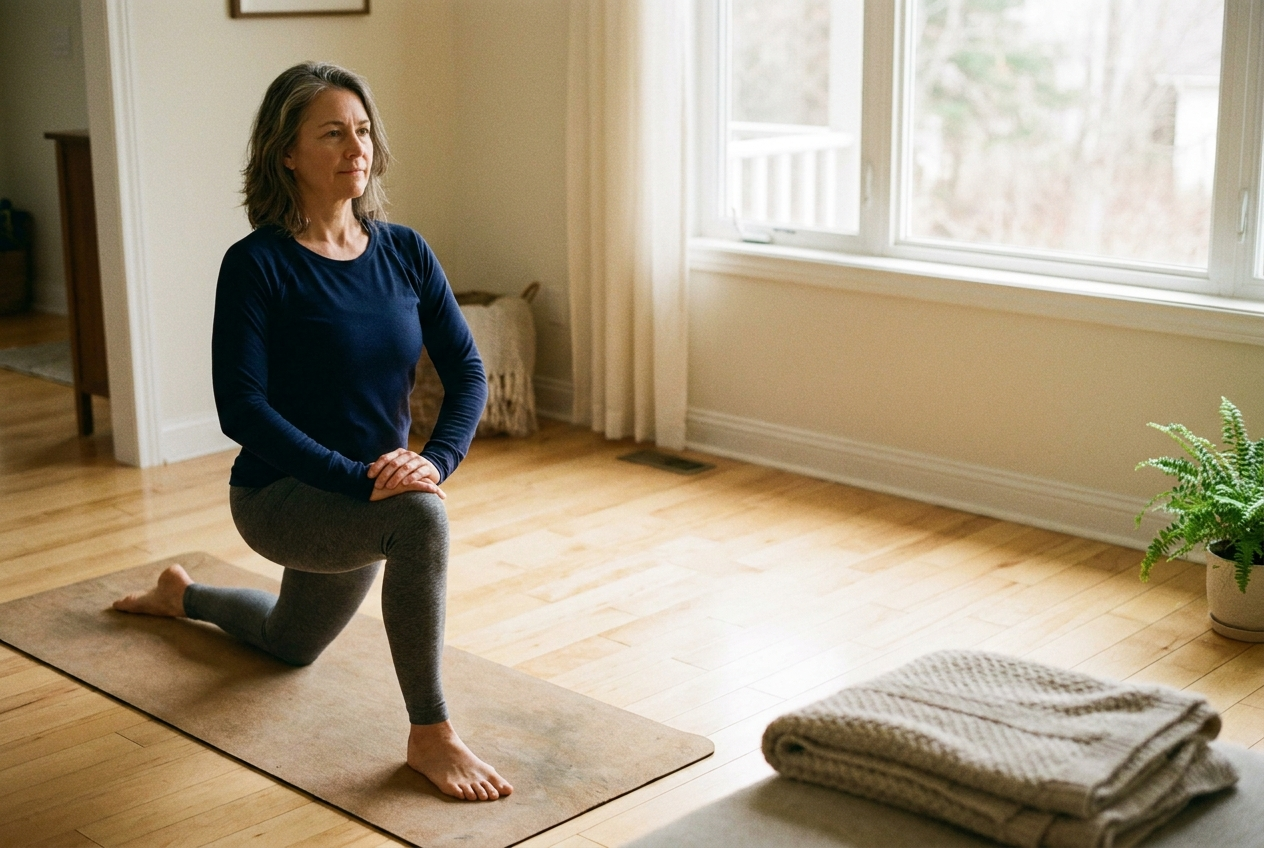
Stretch it loose or build it strong? A clear way to tell whether hip mobility or hip strength should lead after pain, and why most hips need both.
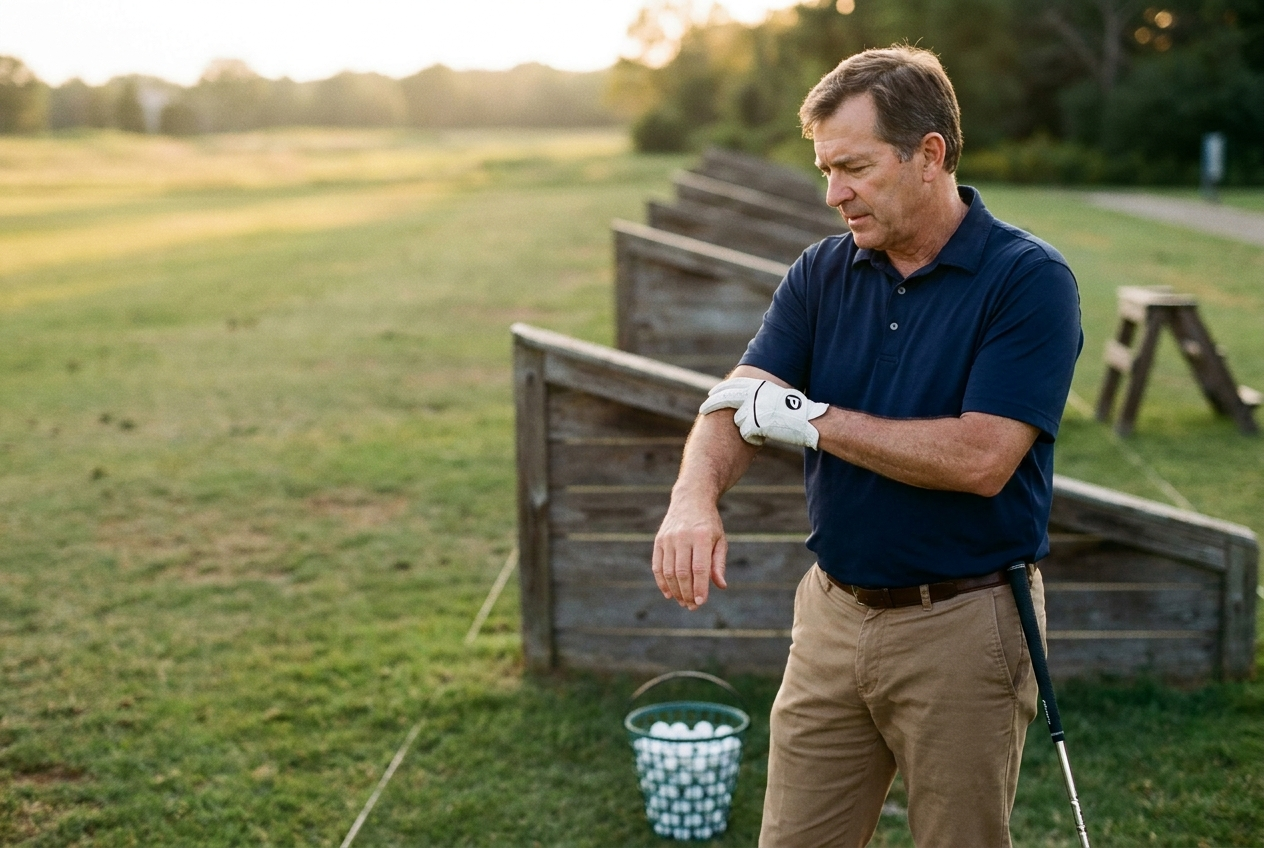
Recurring golfer's elbow is usually a load-versus-capacity gap, not a fragile elbow. Why it returns and what actually breaks the cycle.
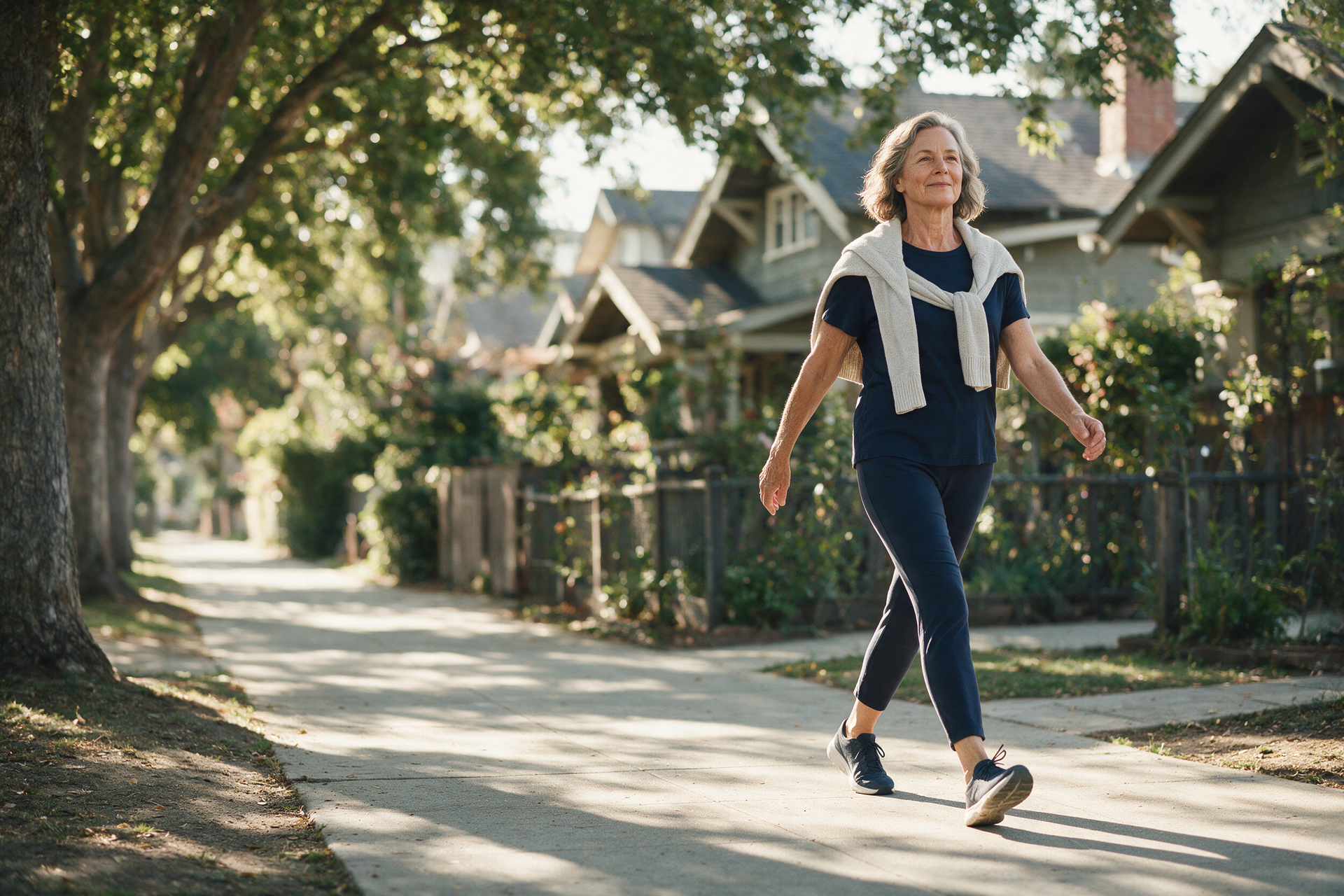
Hip aches only on longer walks? Learn how strength, stride, and stability build walking tolerance after hip pain, plus when to check with a provider.

Knee hesitates when you turn or pivot after rehab? Rebuild side-to-side control gradually, with a scope-safe plan for adults 40-plus.

Runner's knee is rarely just overuse. See how hip control, strength, load, and recovery shape knee pain, and how to test a smarter return to running.
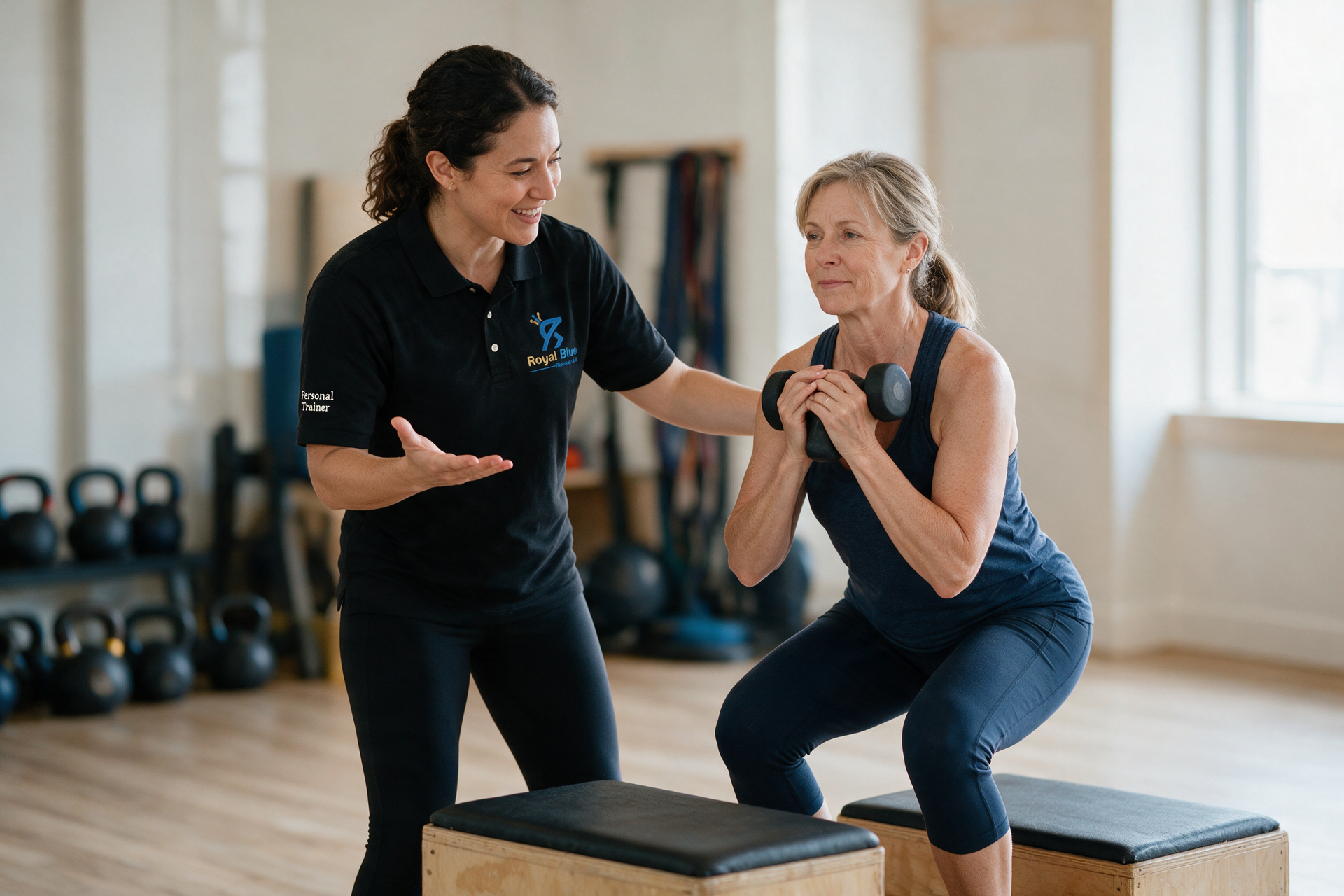
Squatting hurts your knee? Don't stop, reshape it. How to adjust range, load, and position so you keep the squat your daily life needs.
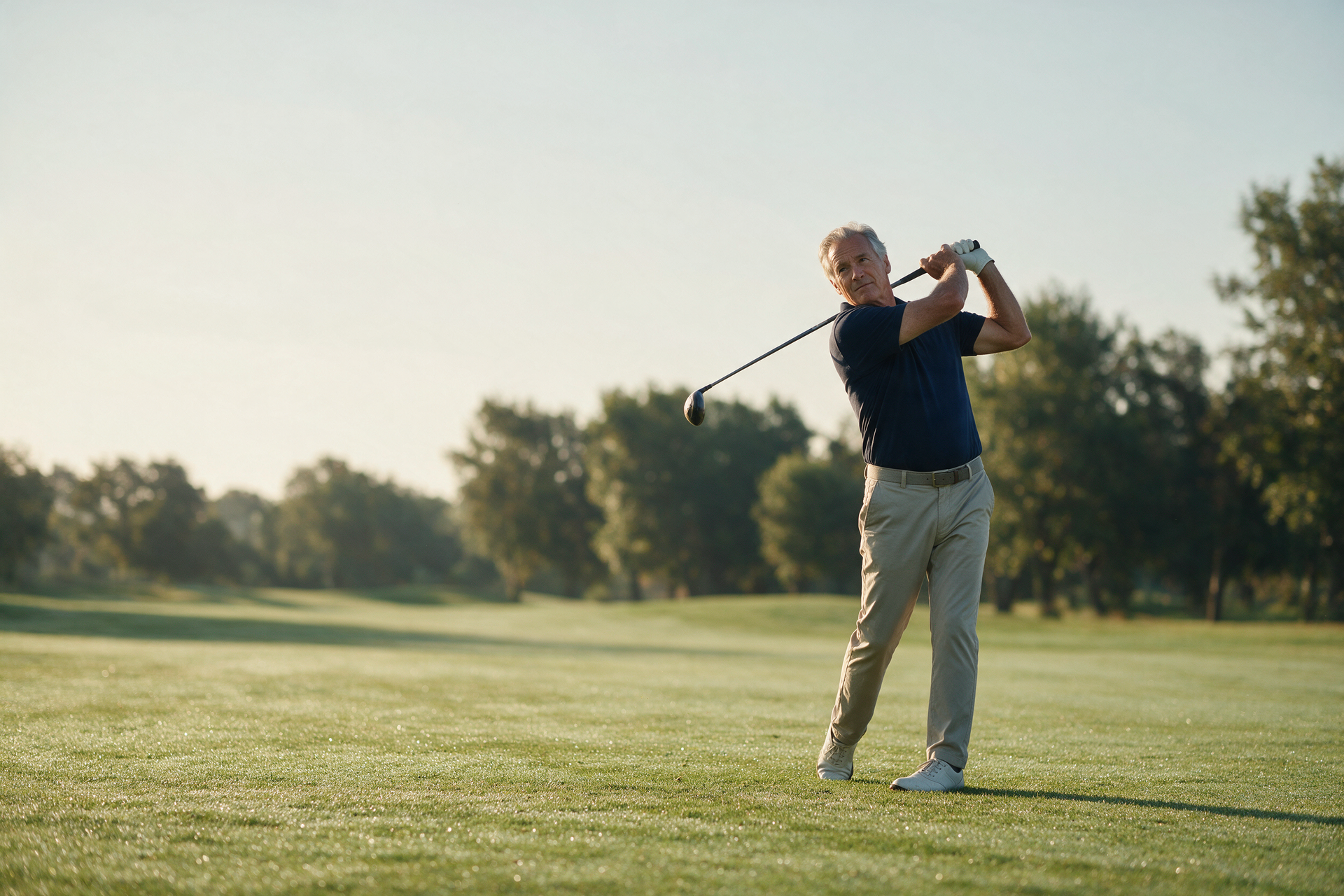
Most golf pain shows up in the swing but starts up the chain. How golf injuries really begin, and what whole-body prevention looks like.
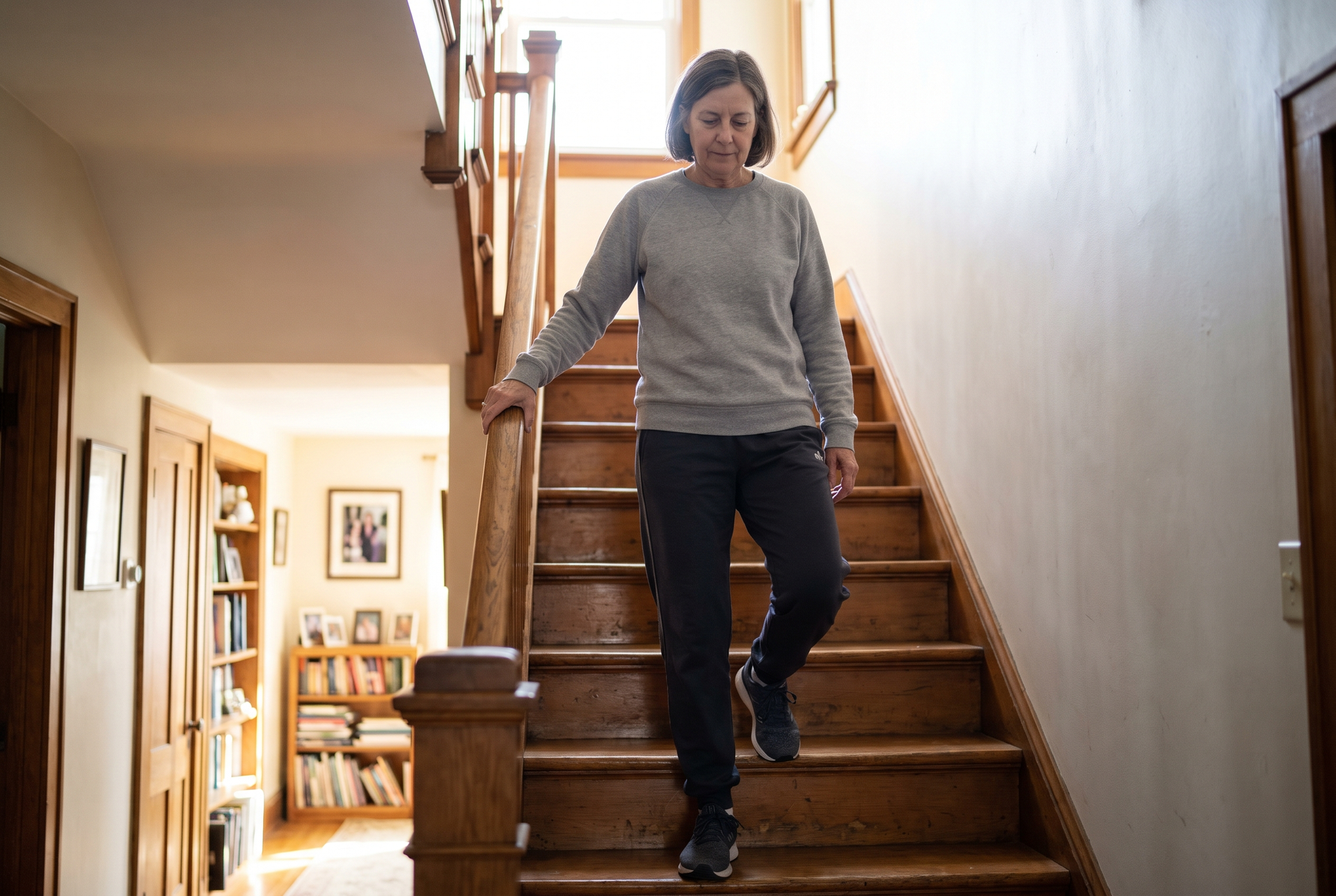
Stairs still hurt after knee rehab? A step-by-step way to rebuild the strength and control your knees need, built for adults 40-plus.

Strength for Independence After 50: Training for Stairs, Carrying, Travel, and Getting Off the Floor
Map daily tasks like stairs, carrying, travel, and getting off the floor to the strength and balance that support them, and learn how to train for each.
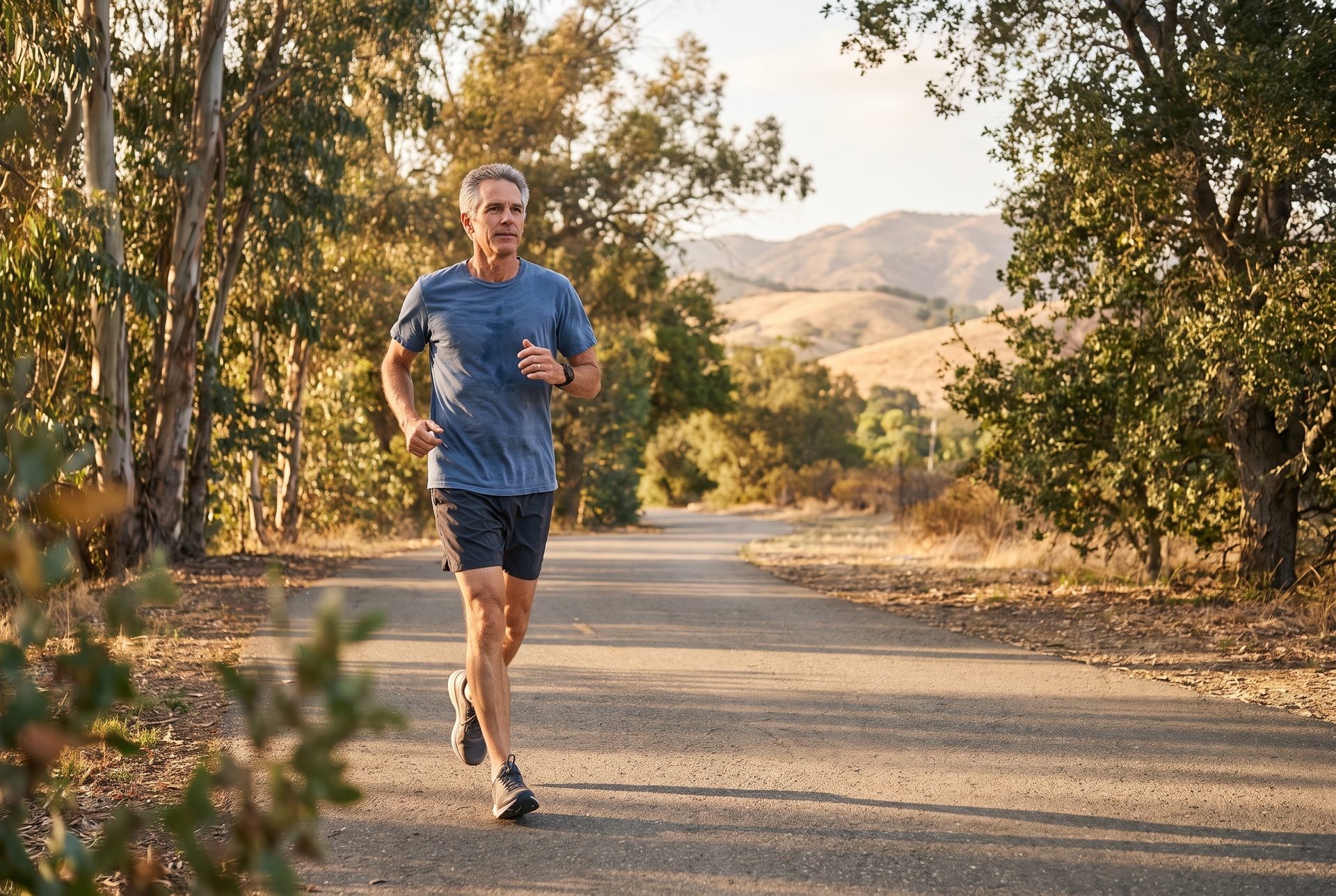
Recurring running injuries are rarely about mileage alone. A running injury prevention plan built on strength, mobility, and recovery for adults 40 plus.
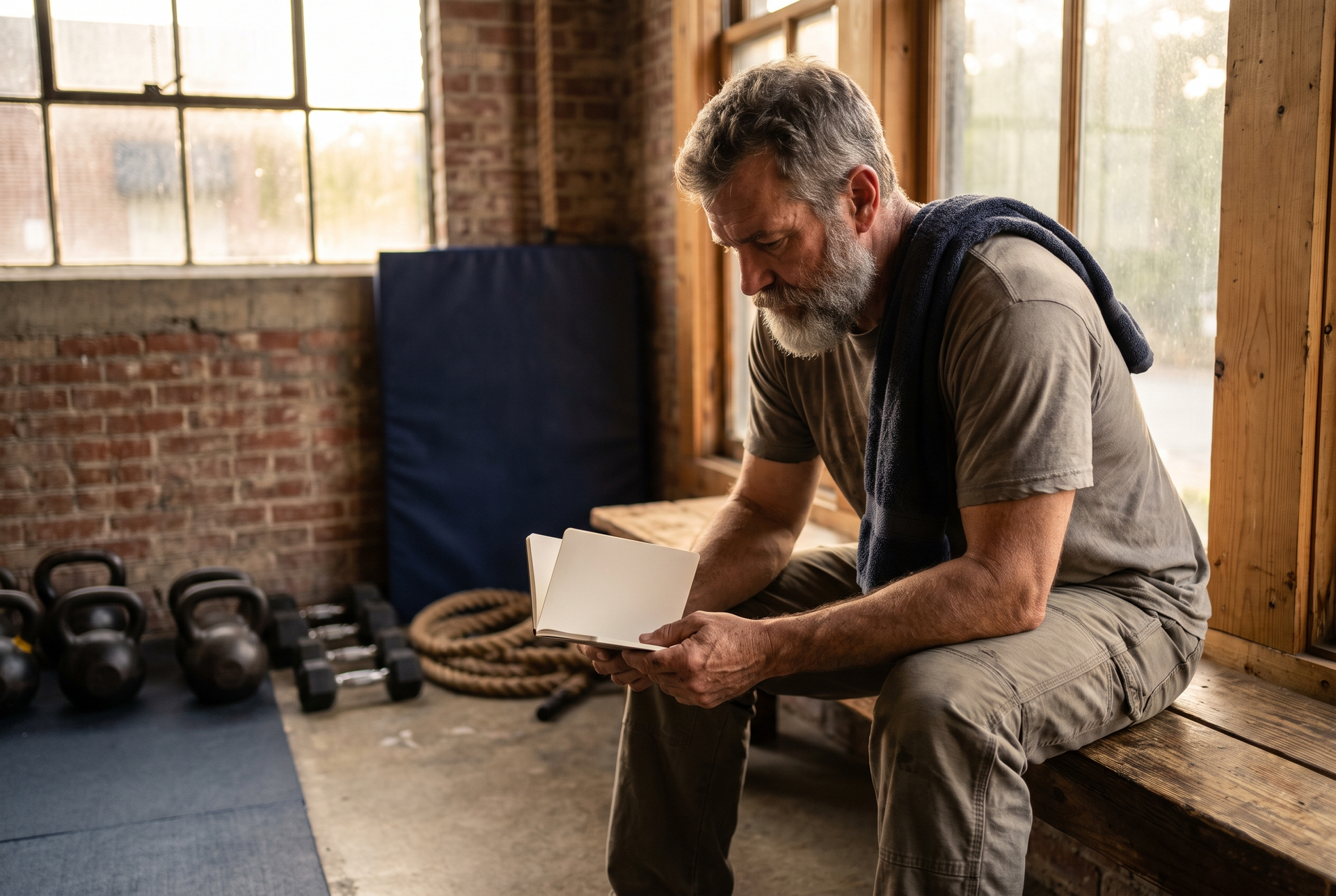
Learn how deloading supports recovery, the signs you need one, and how to reduce volume, intensity, or frequency without losing strength or progress over time.
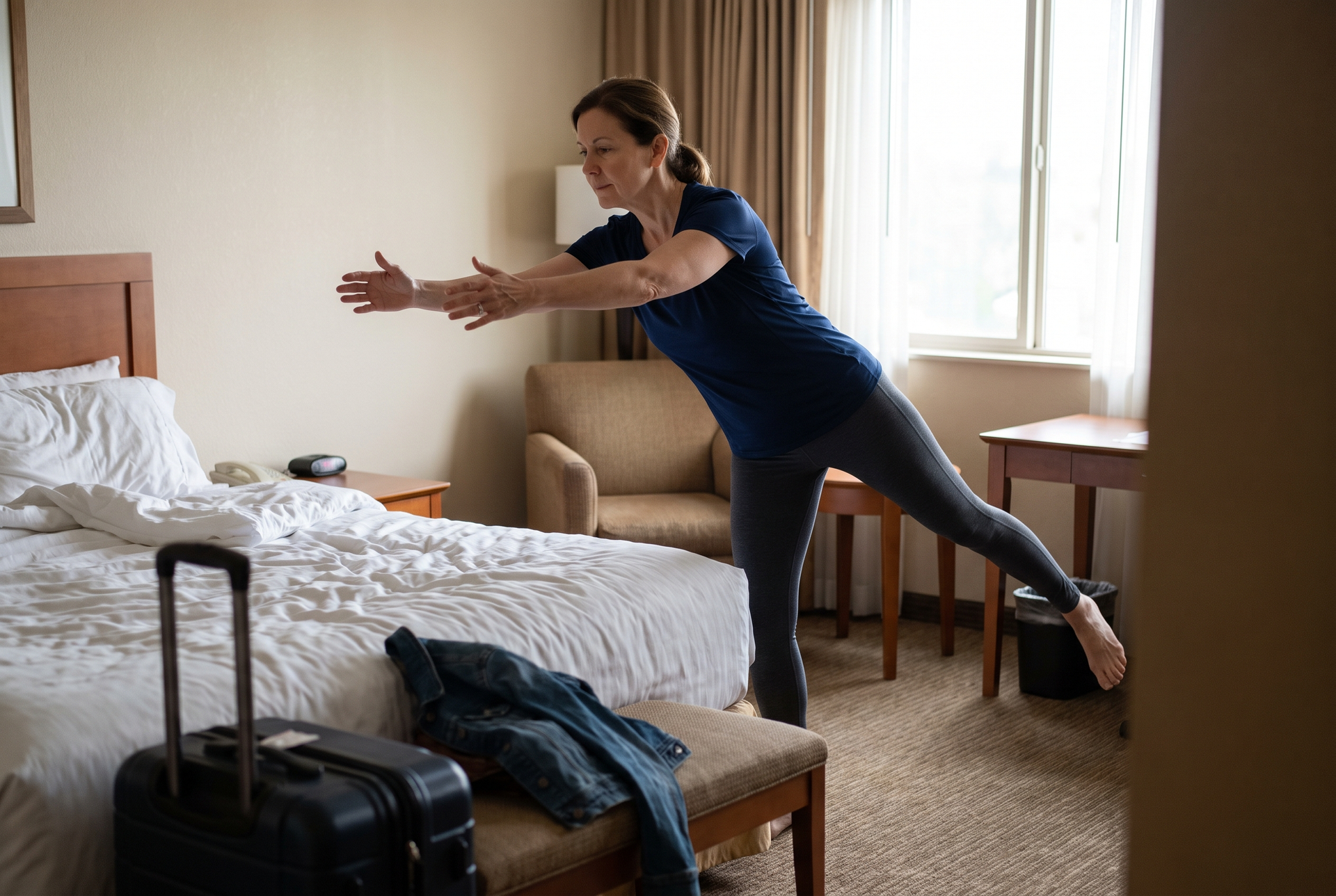
Get a complete 20-minute full-body workout you can do anywhere with no equipment, using simple, scalable bodyweight moves designed for busy adults on the go.
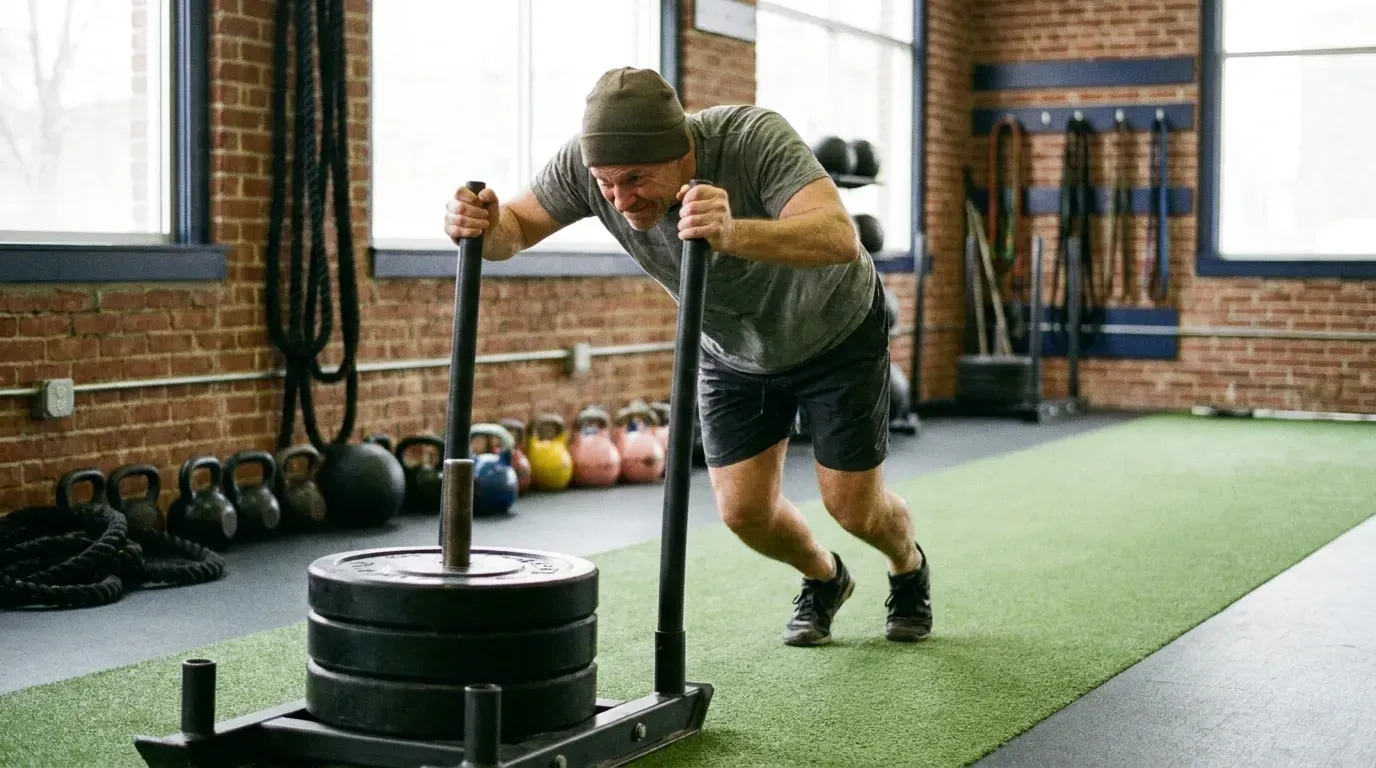
How low-impact resistance training builds real strength through load, tempo, and recovery, especially for adults 40-plus. Joint-friendly, safe strength building.
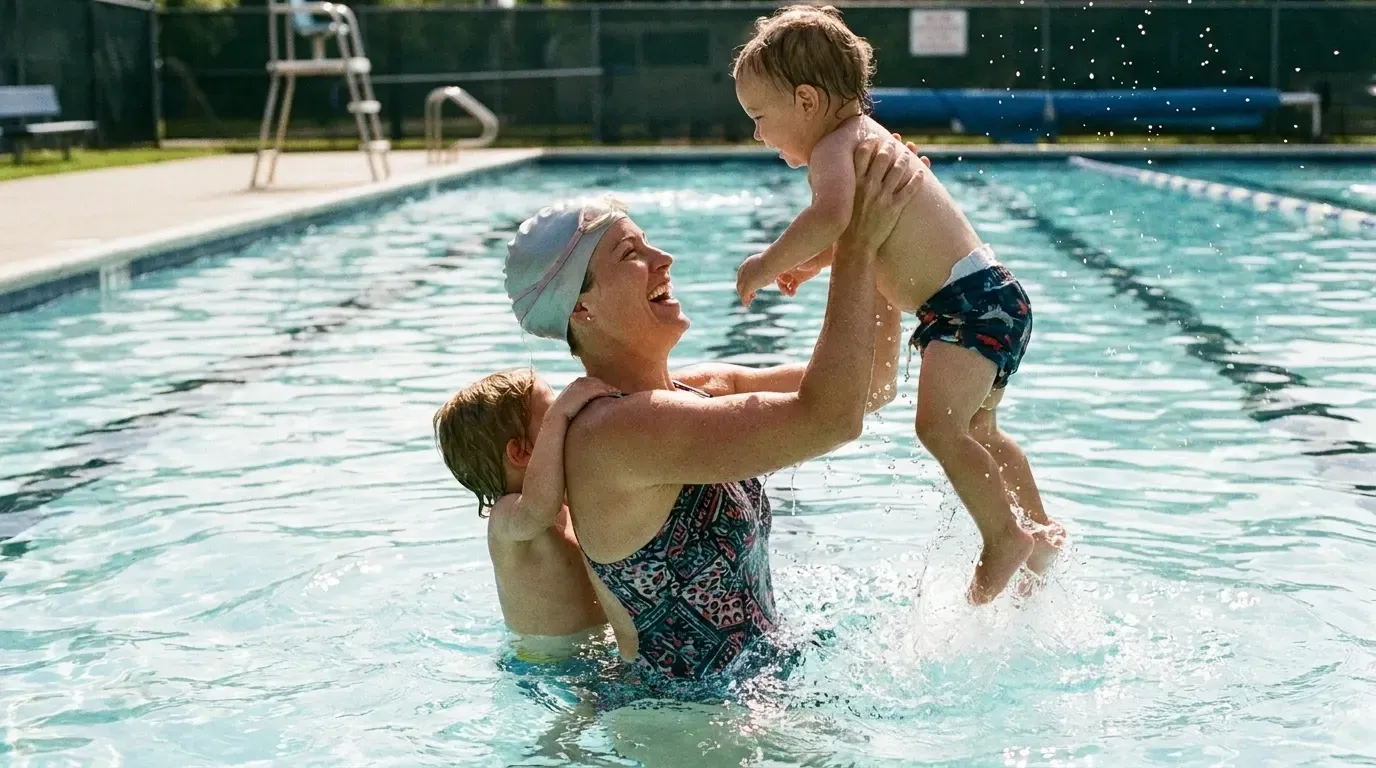
A realistic, phase-by-phase timeline for returning to lifting after birth, with readiness checks and signs to ease off. Postpartum strength training, explained.
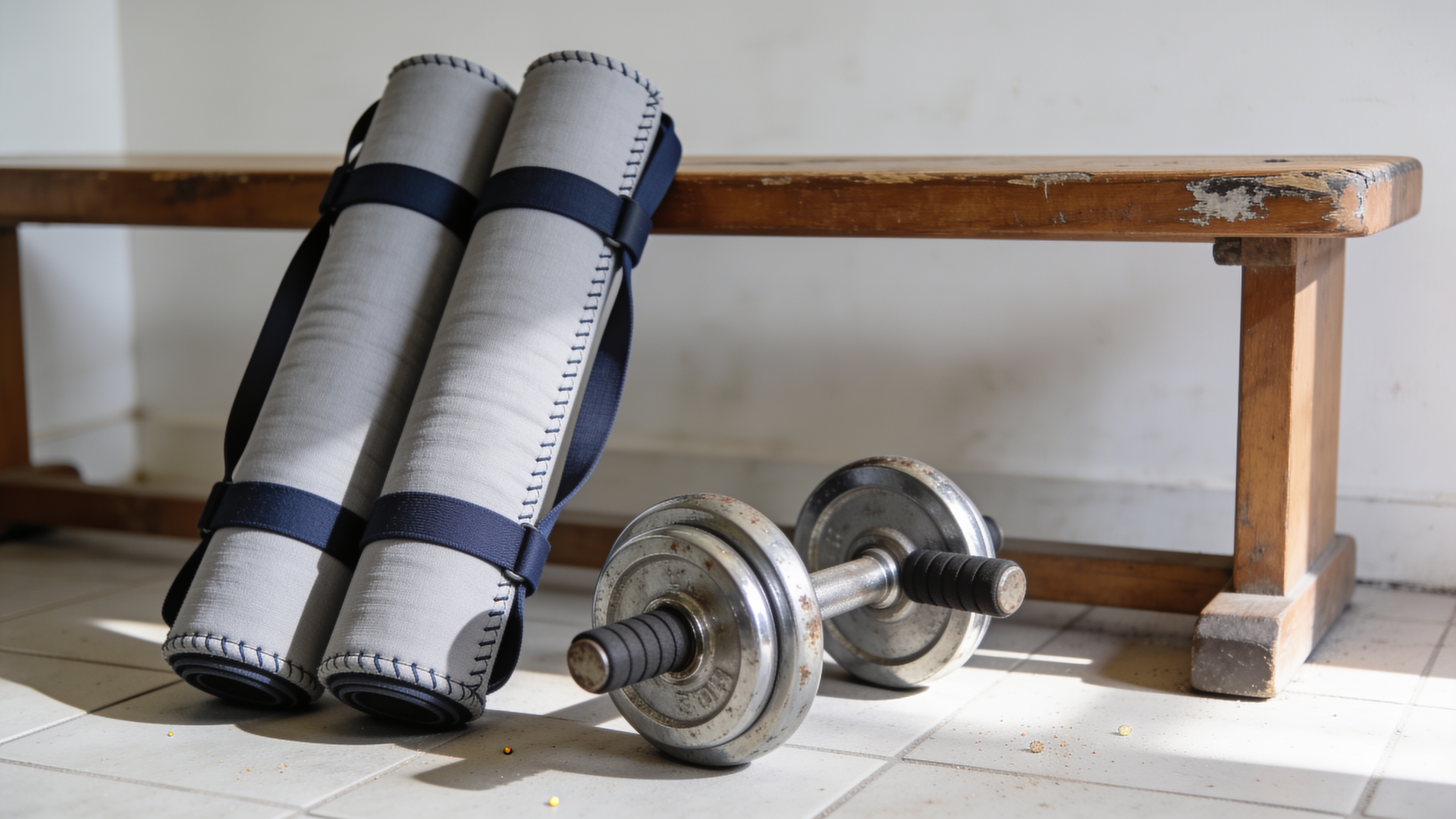
Compare home and gym equipment for strength training with a practical guide to choosing the right setup based on your goals, budget, space, and consistency.
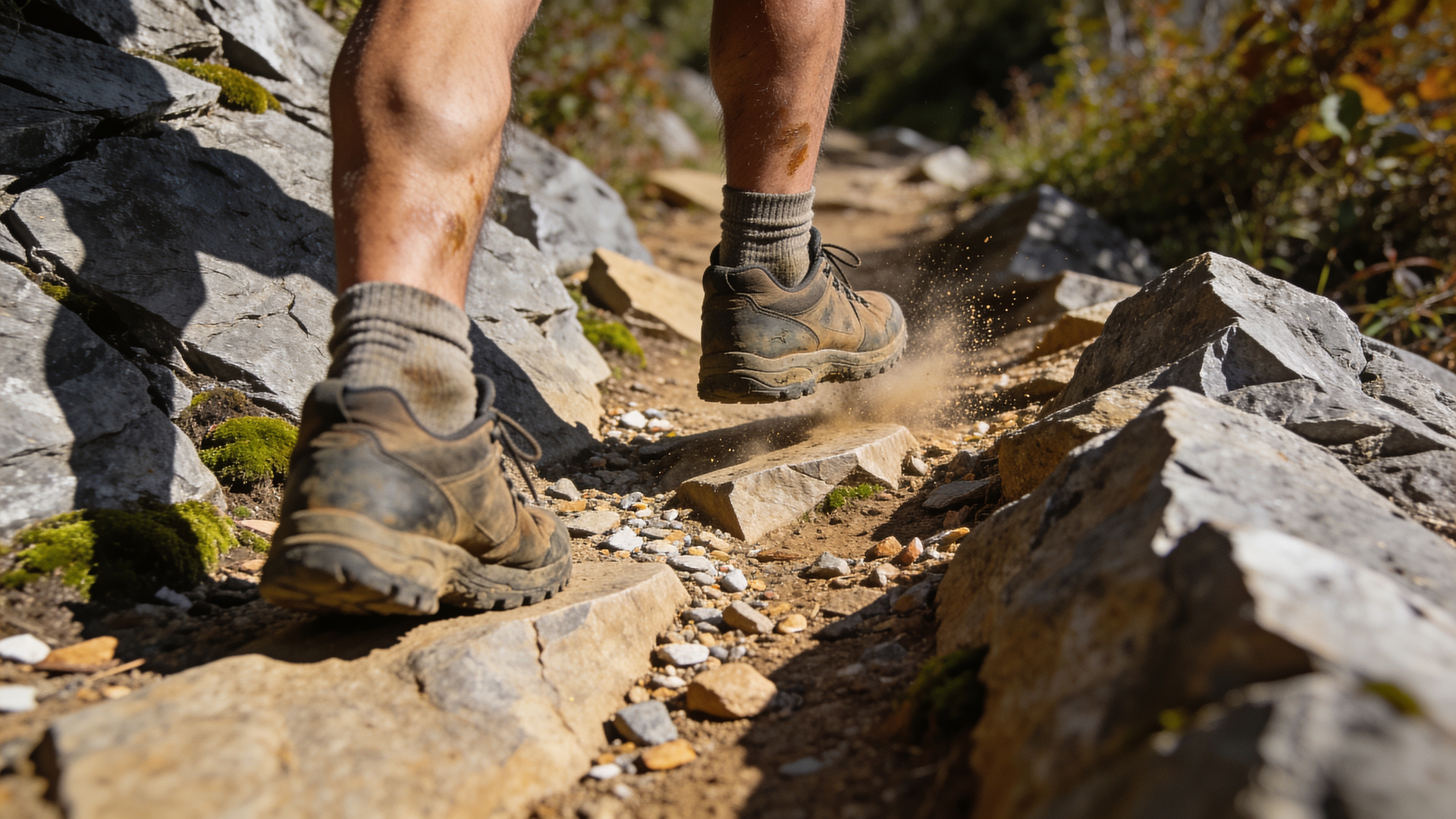
Foot pain while running or hiking is not always your shoes. Learn how load, terrain, ankle mobility, calf strength, and hip control affect every step.
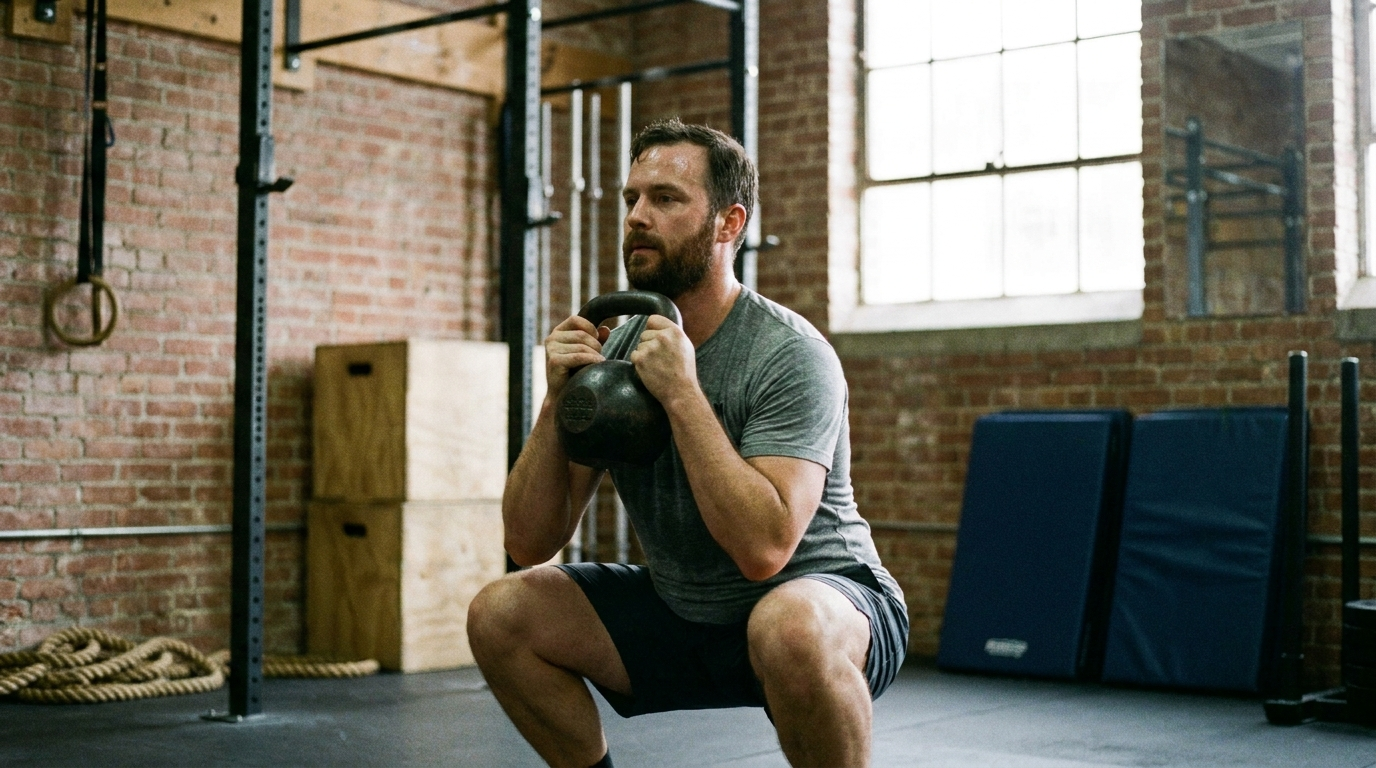
Improve mobility by building strength, control, and confidence through range of motion. Learn why stretching alone may not solve stiffness.
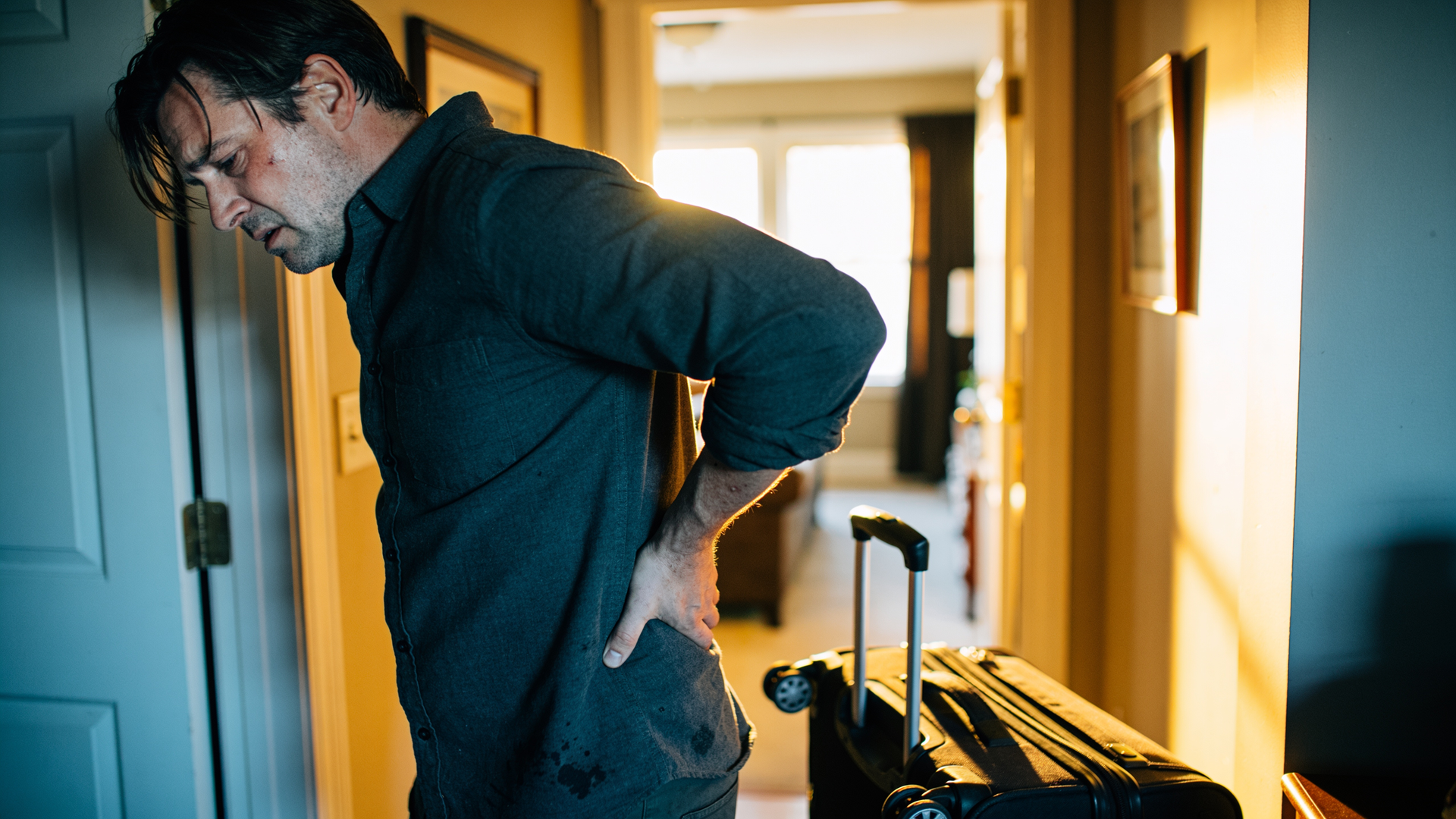
Reset after travel with simple strategies for jet lag, stiffness, and back pain, including mobility, movement, and a safe return to training.
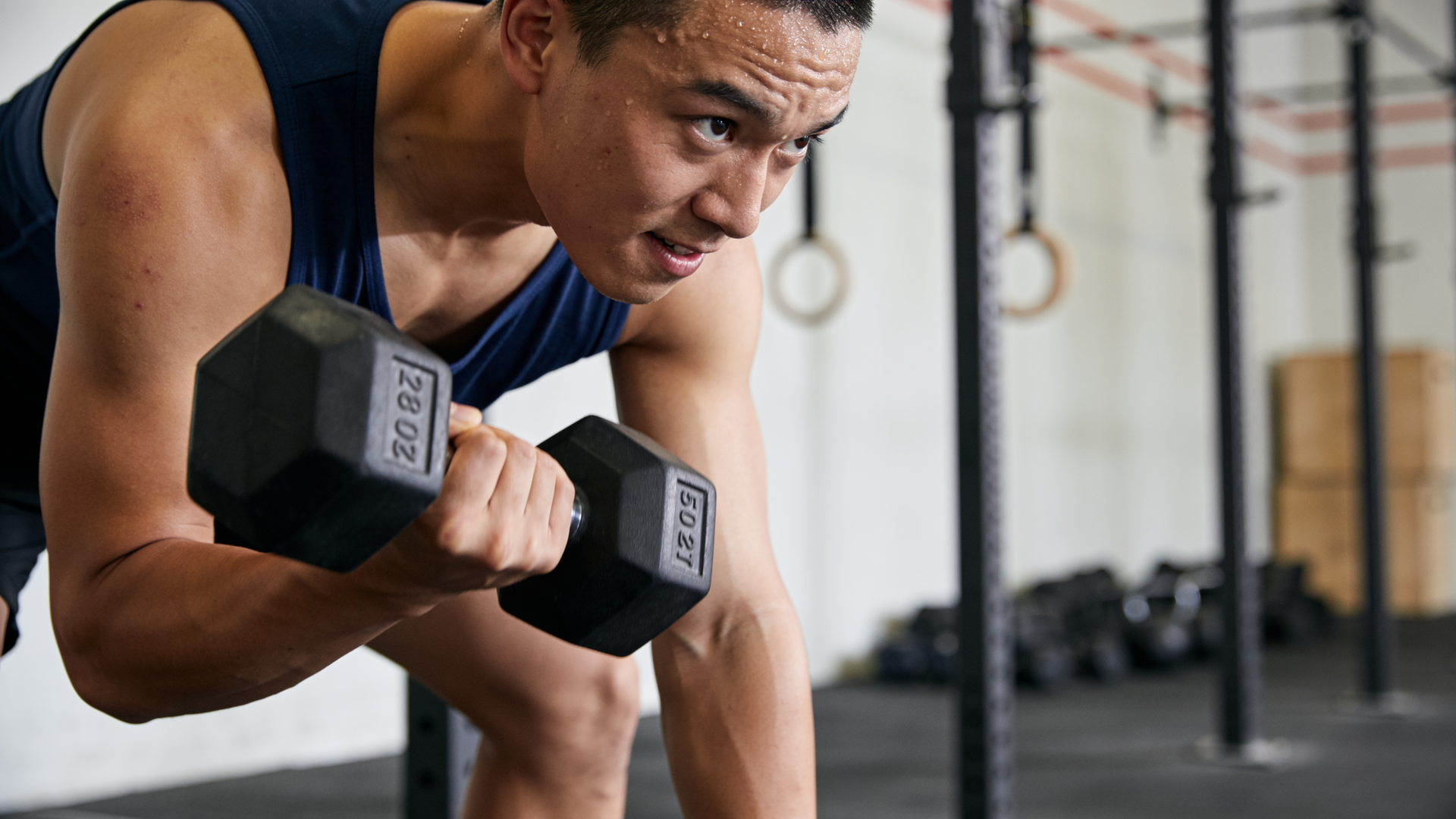
Avoid common strength training mistakes that stall progress. Learn better rules for soreness, progression, recovery, pain, and building lasting strength.
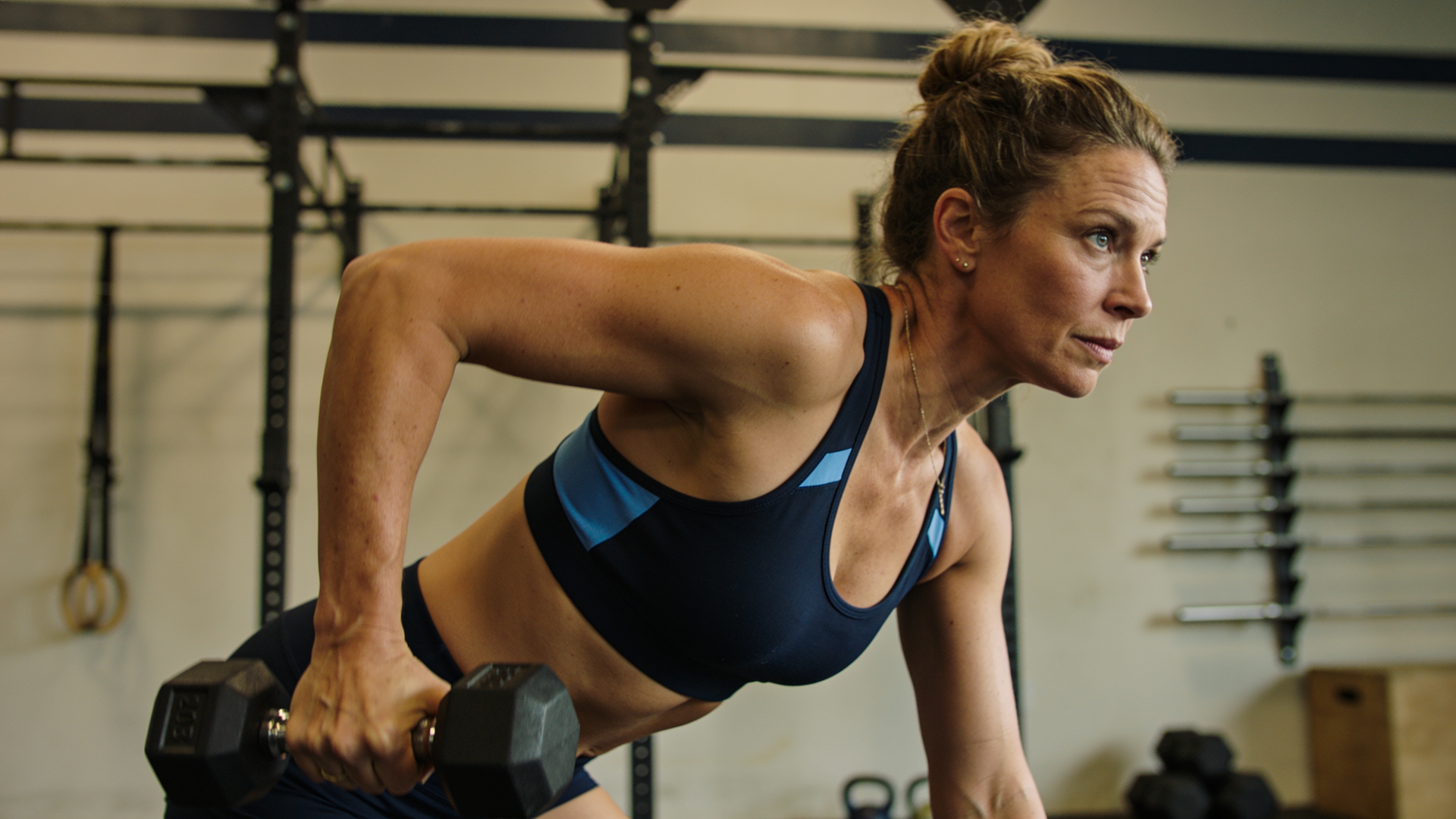
Build functional strength and mobility with a flexible plan for busy moms that reduces friction, supports postpartum needs, and fits real family life.
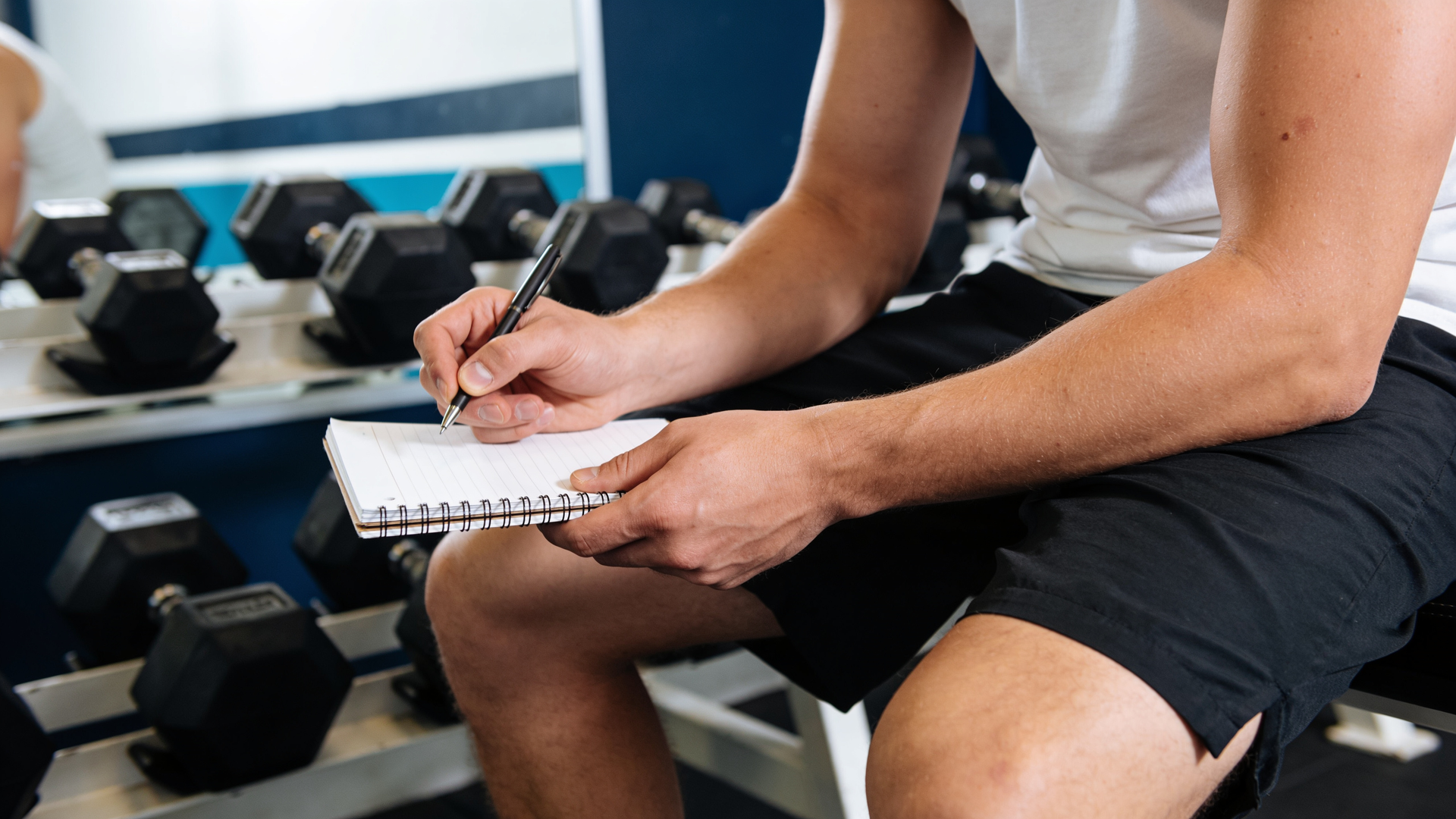
Learn five reliable signs your strength training plan is working, what to track for four weeks, and how to adjust without constantly changing programs.

Build ankle stability for running and hiking with strength, balance, and mobility exercises that improve trail control, footing confidence, and resilience.
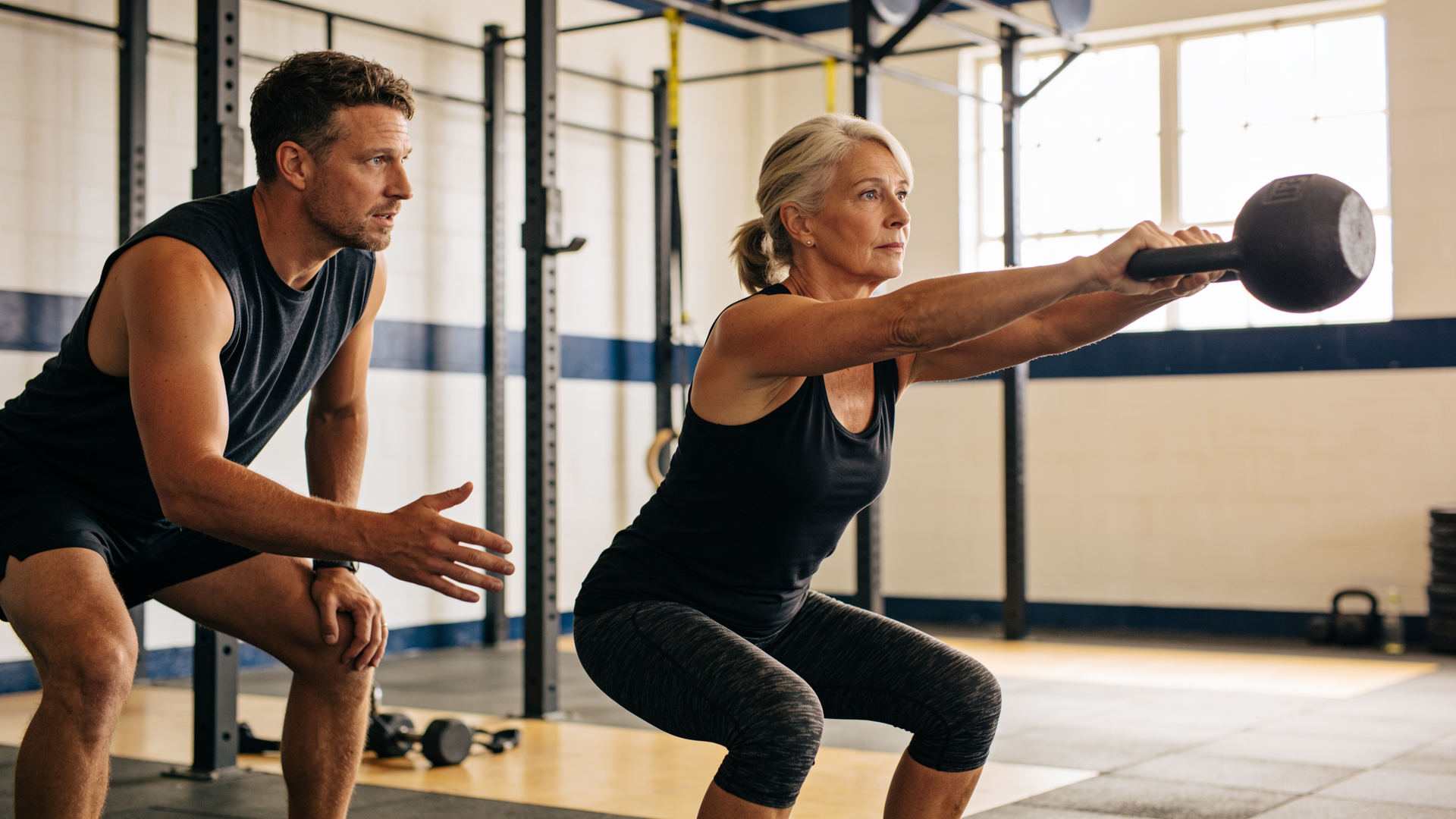
Find the right strength training class near Pleasant Hill with tips for evaluating coaching, progression, modifications, and long-term fitness success.
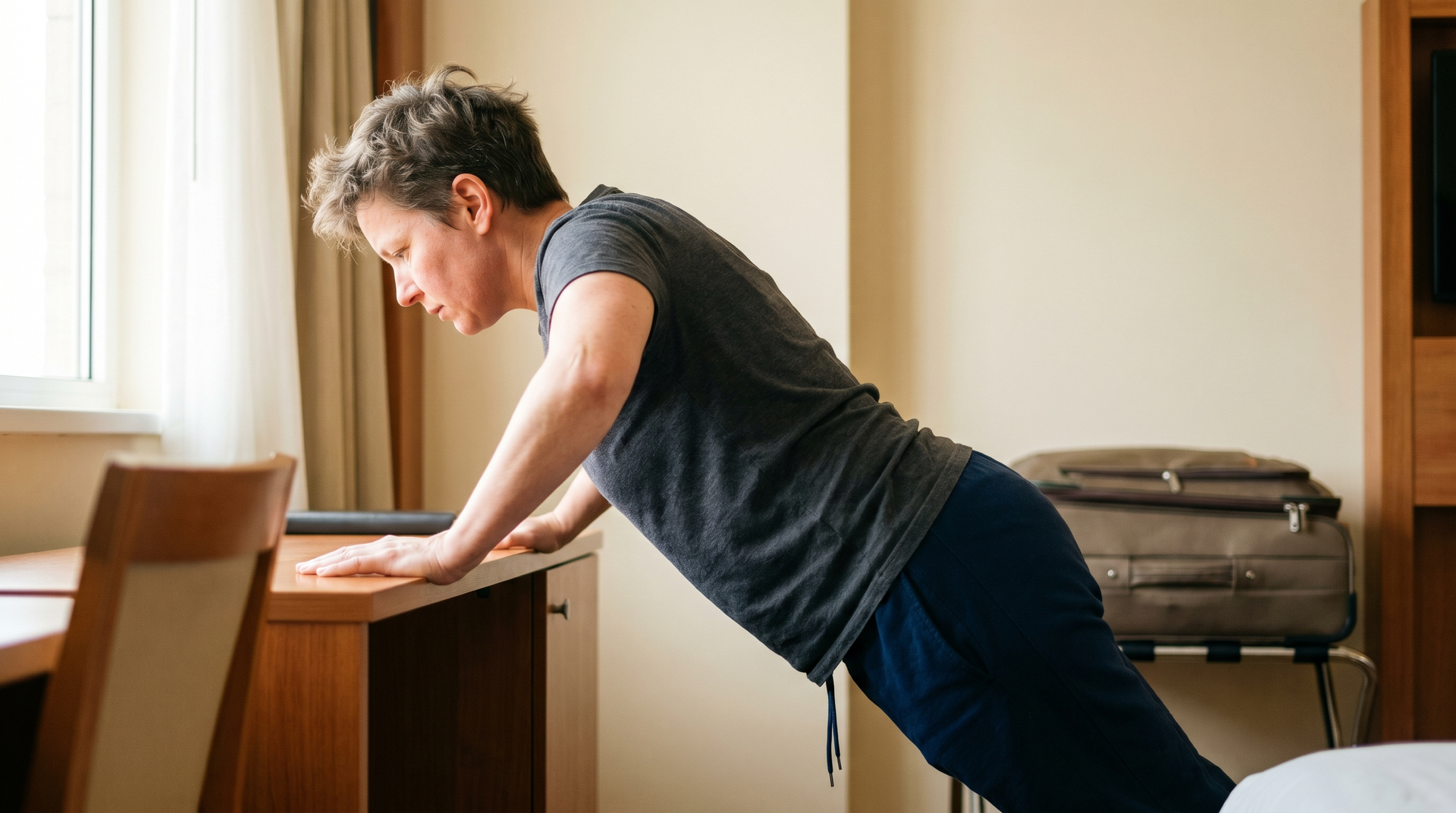
Stay strong while traveling with a flexible fitness plan that protects strength, mobility, and momentum through busy schedules, trips, and real life.
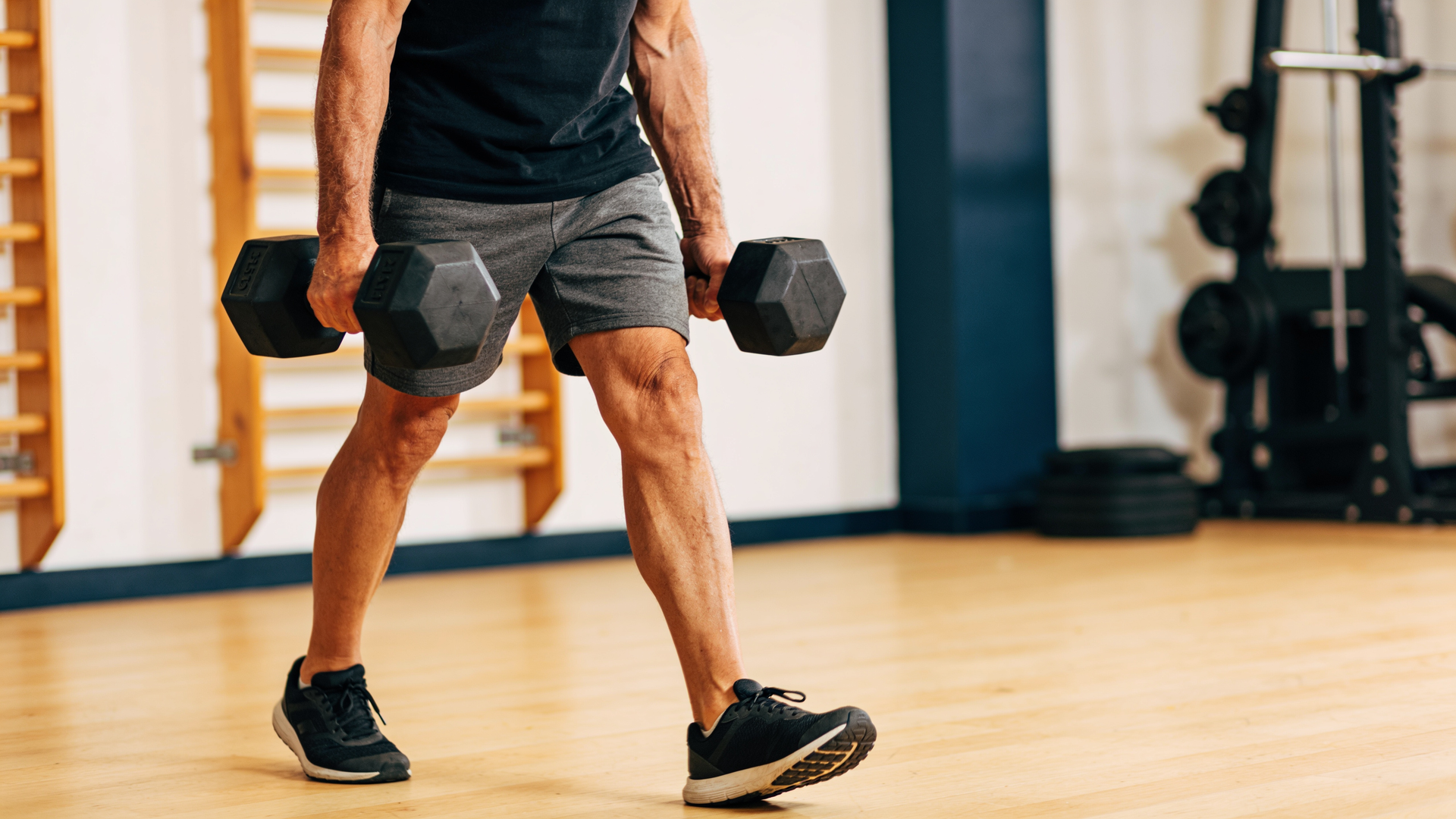
Discover why grip strength matters after 40, how it connects to healthy aging, and how targeted training builds stronger hands for lifelong independence.

Find pregnancy back pain relief exercises with a stage-by-stage plan for prevention, flare-ups, safe training, and postpartum strength rebuilding.
Compare cardio and strength training for weight loss, and learn why combining both with strength as the foundation creates lasting fat loss results.

Prepare your body for hiking and adventure travel with a pain-smart training plan that builds strength, endurance, and confidence for challenges after 40.
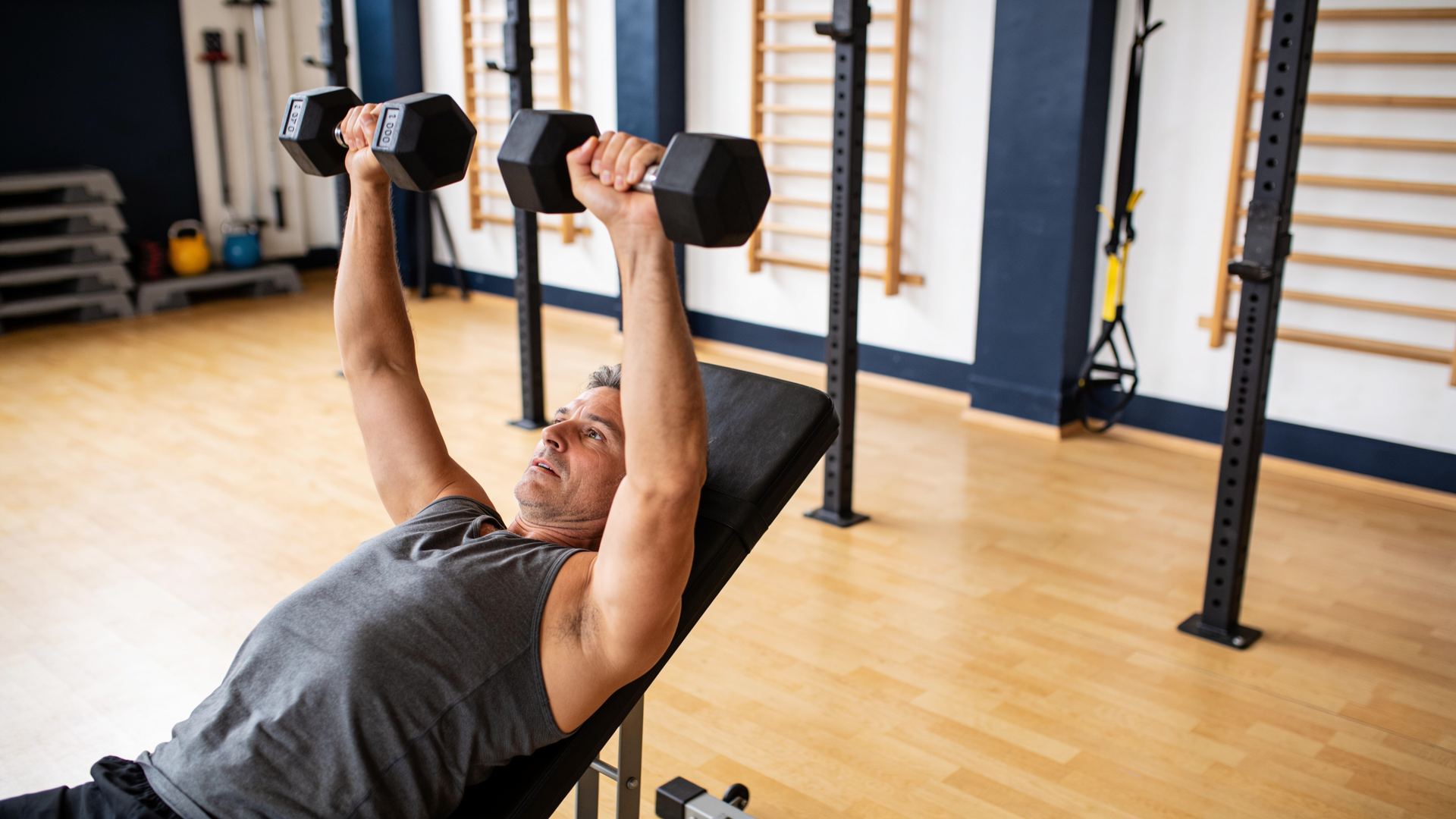
Build muscle and support fat loss after 40 with strength training, nutrition, and recovery strategies that help create a stronger, leaner body through recomposition.

Build lasting fitness habits with 10 Atomic Habits principles that make strength training consistent, sustainable, and easier to maintain for life.
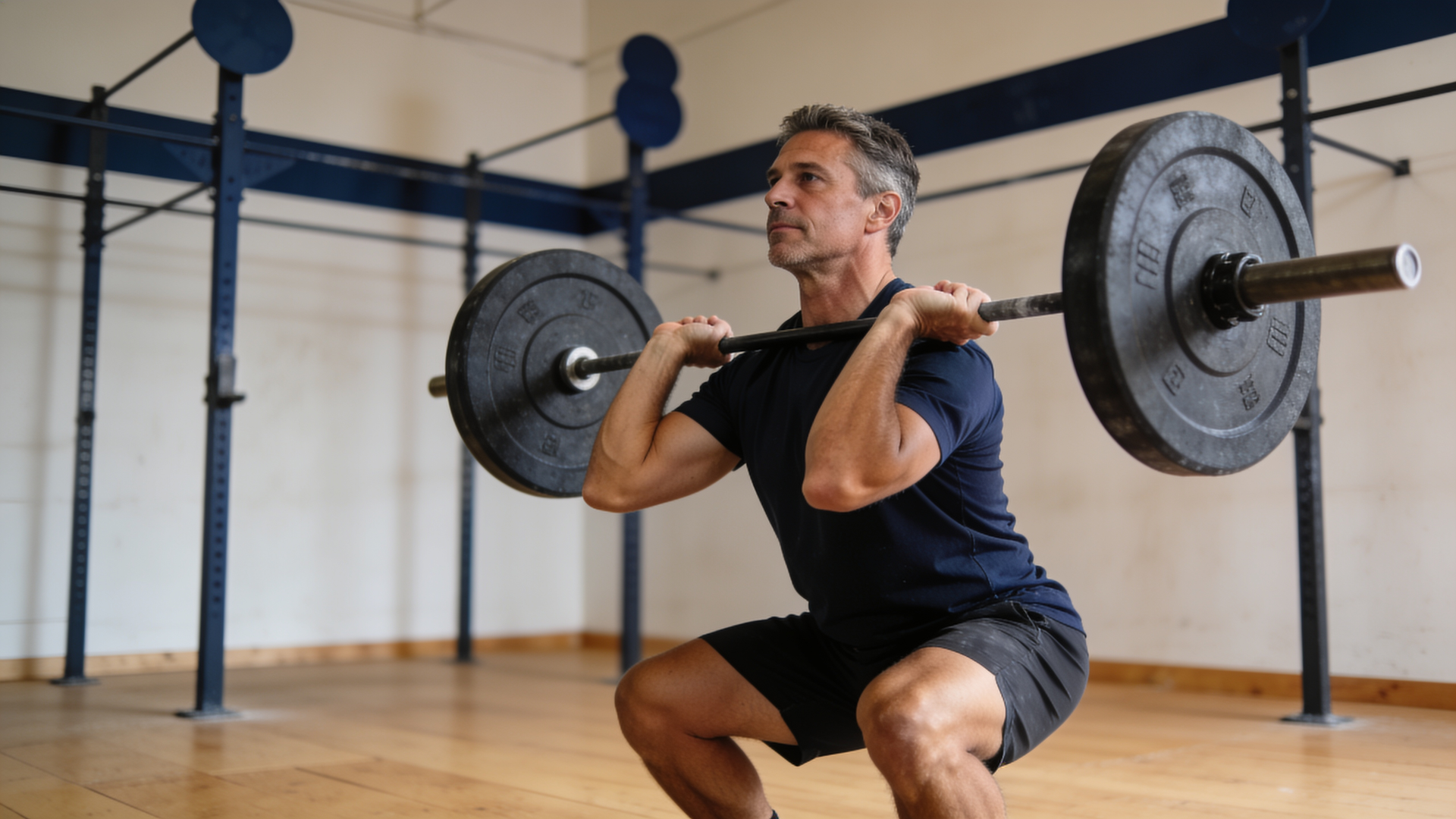
Strength training supports lasting weight loss by building muscle, improving body composition, and helping your body use energy more effectively beyond the scale.
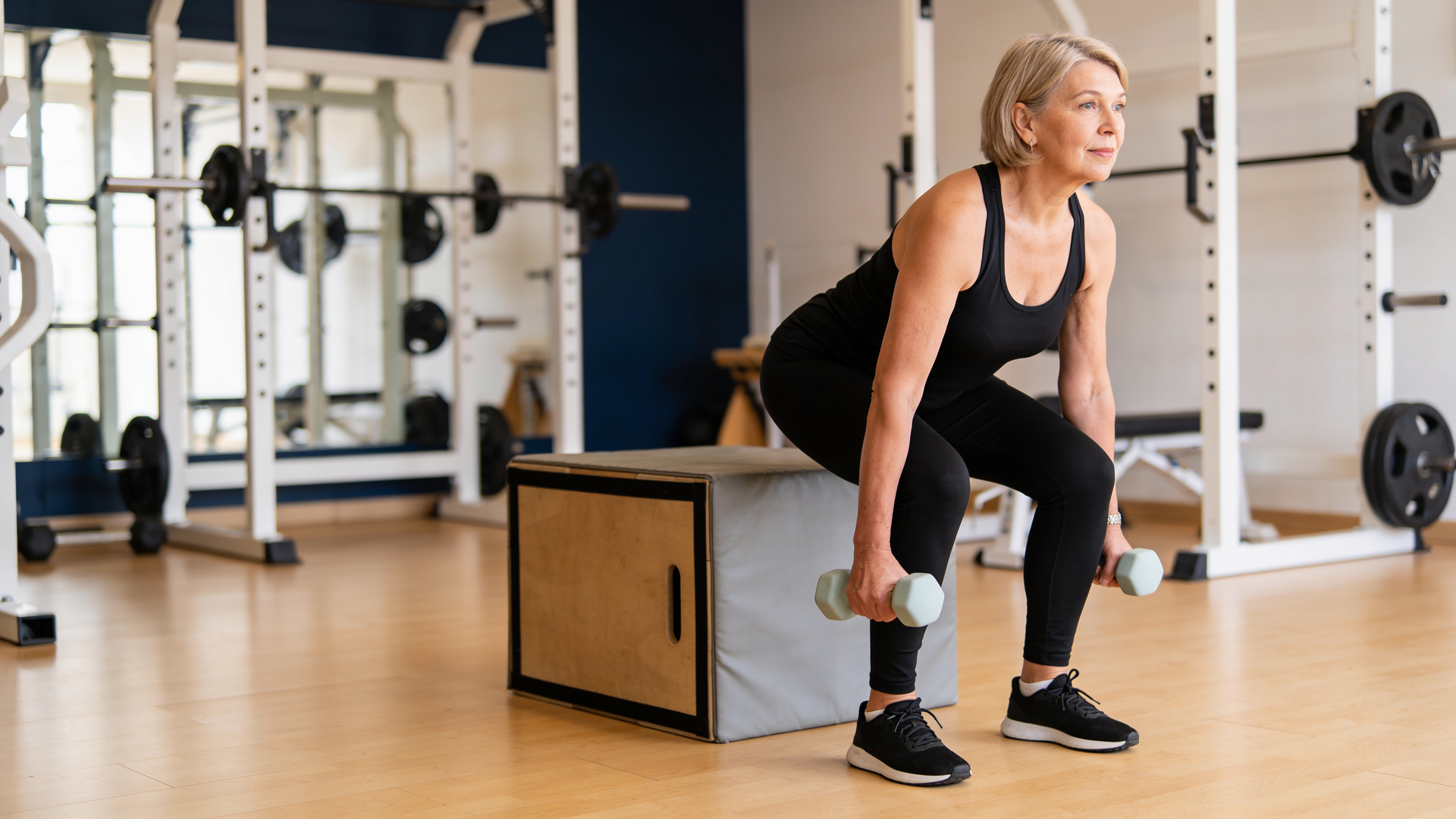
Discover joint-friendly strength training for women with arthritis, including safe modifications, pain-aware progressions, and practical ways to build confidence.
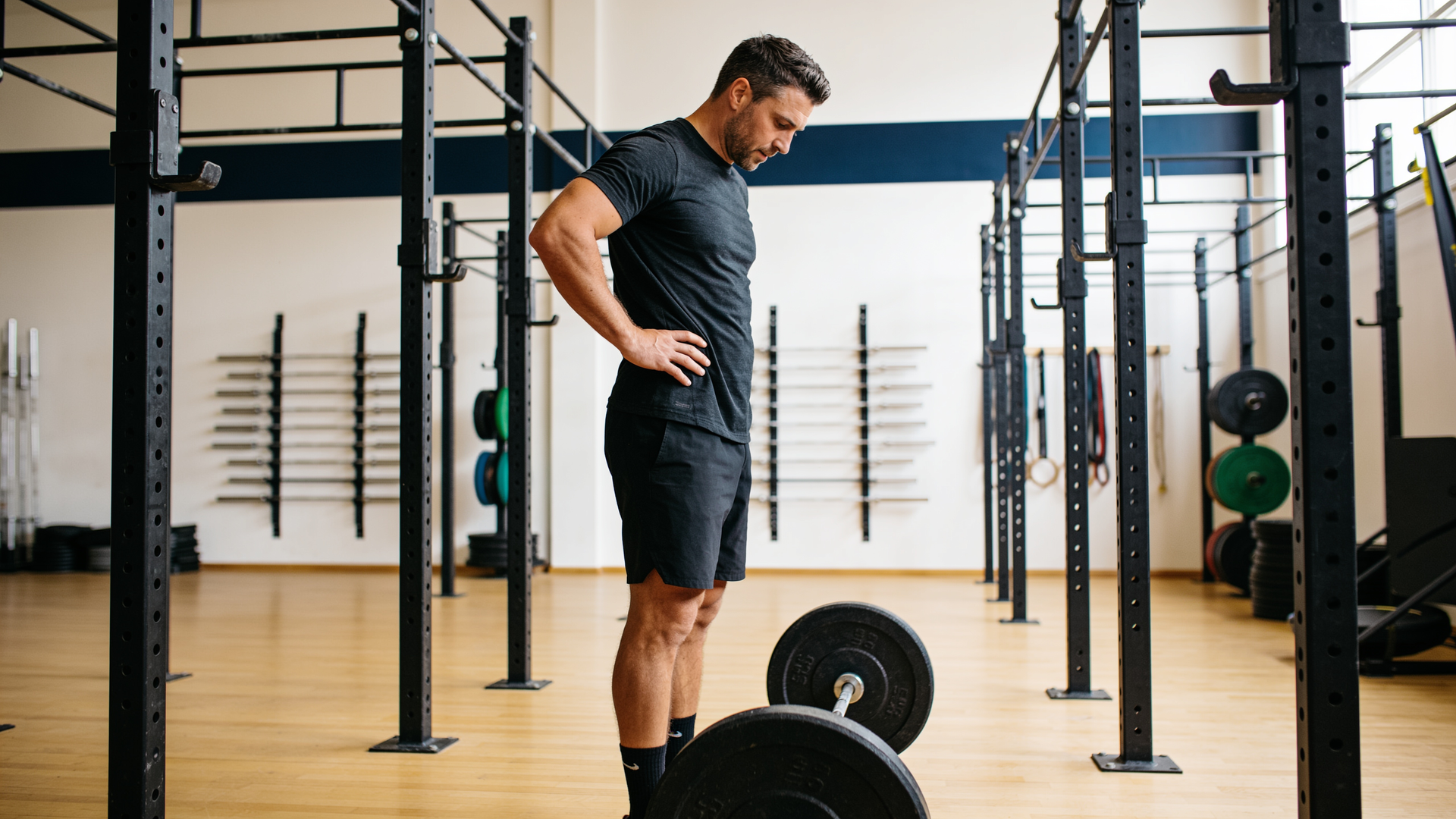
Learn when to prioritize lifting form or add more weight using a simple readiness test that supports safer progress without ego lifting or stalled gains.

Use this trail warm-up routine before hiking to prepare your ankles, calves, hips, trunk, balance, and first-mile pacing for hills, rocks, and descents.
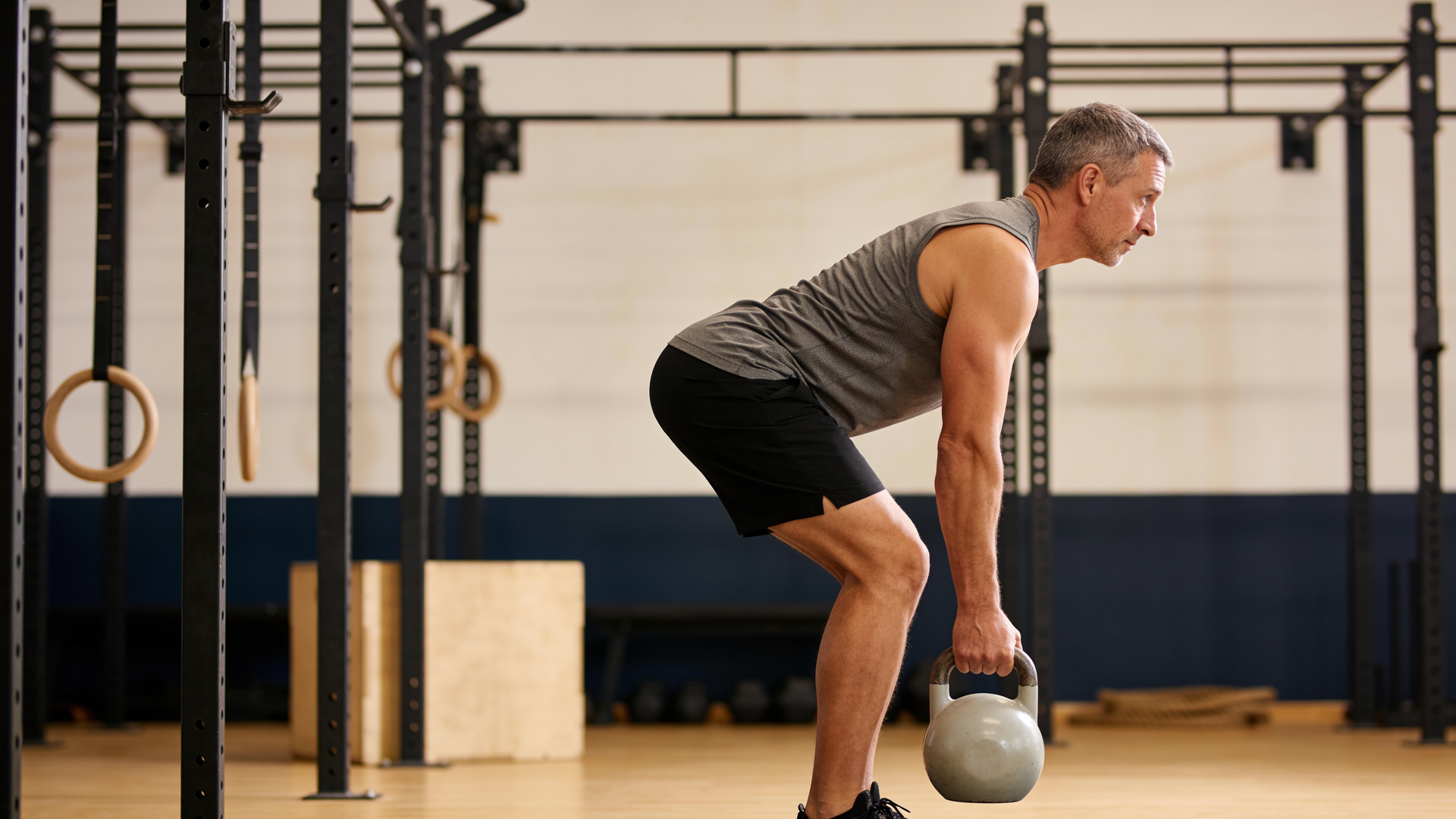
Learn the hip hinge with simple cues and drills that improve deadlifts, protect your back, and make everyday lifting safer, stronger, and more confident.
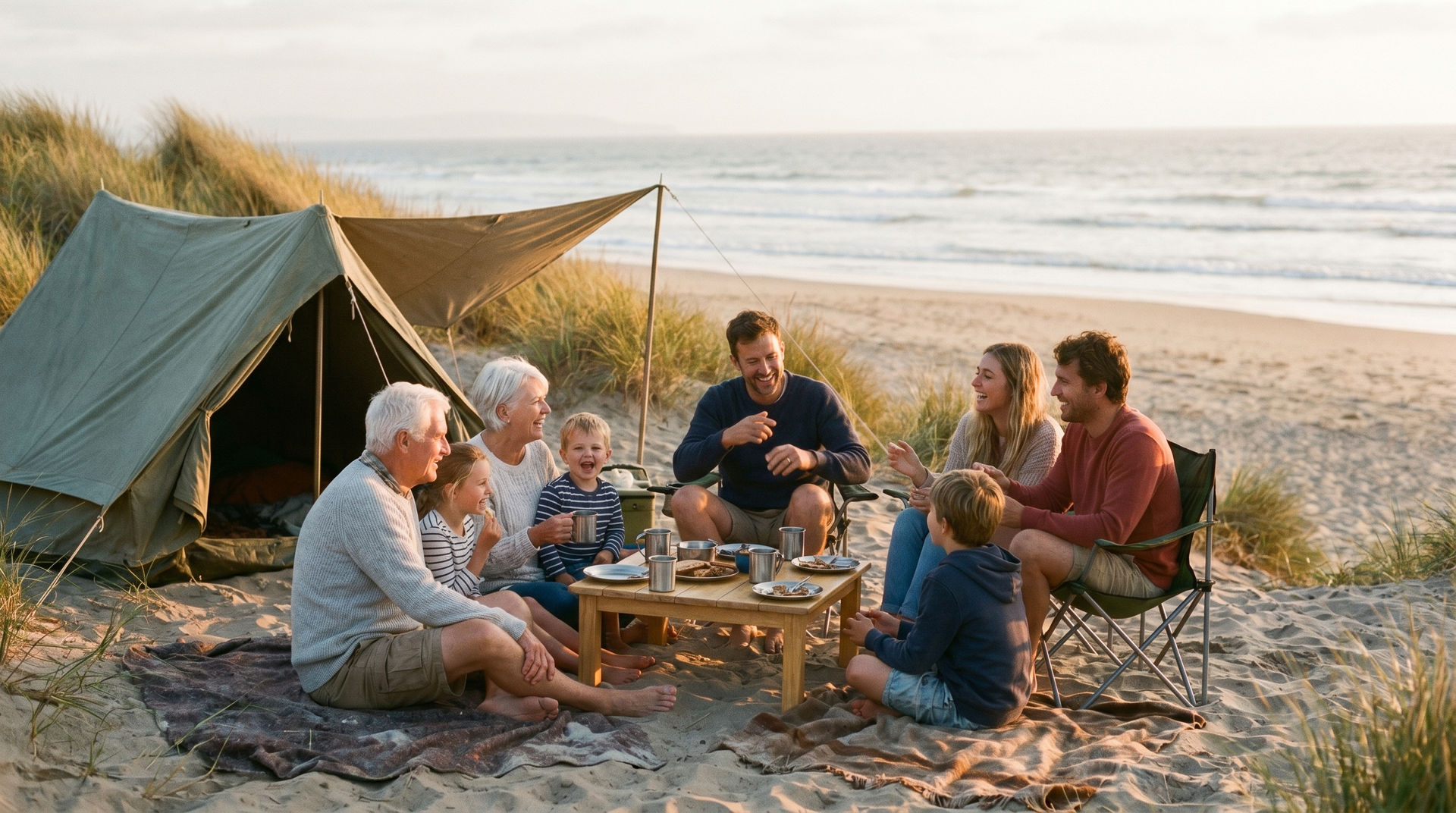
Injury can affect your mood, routine, and confidence. Learn how small, safe movement steps can rebuild structure, momentum, and support your comeback.
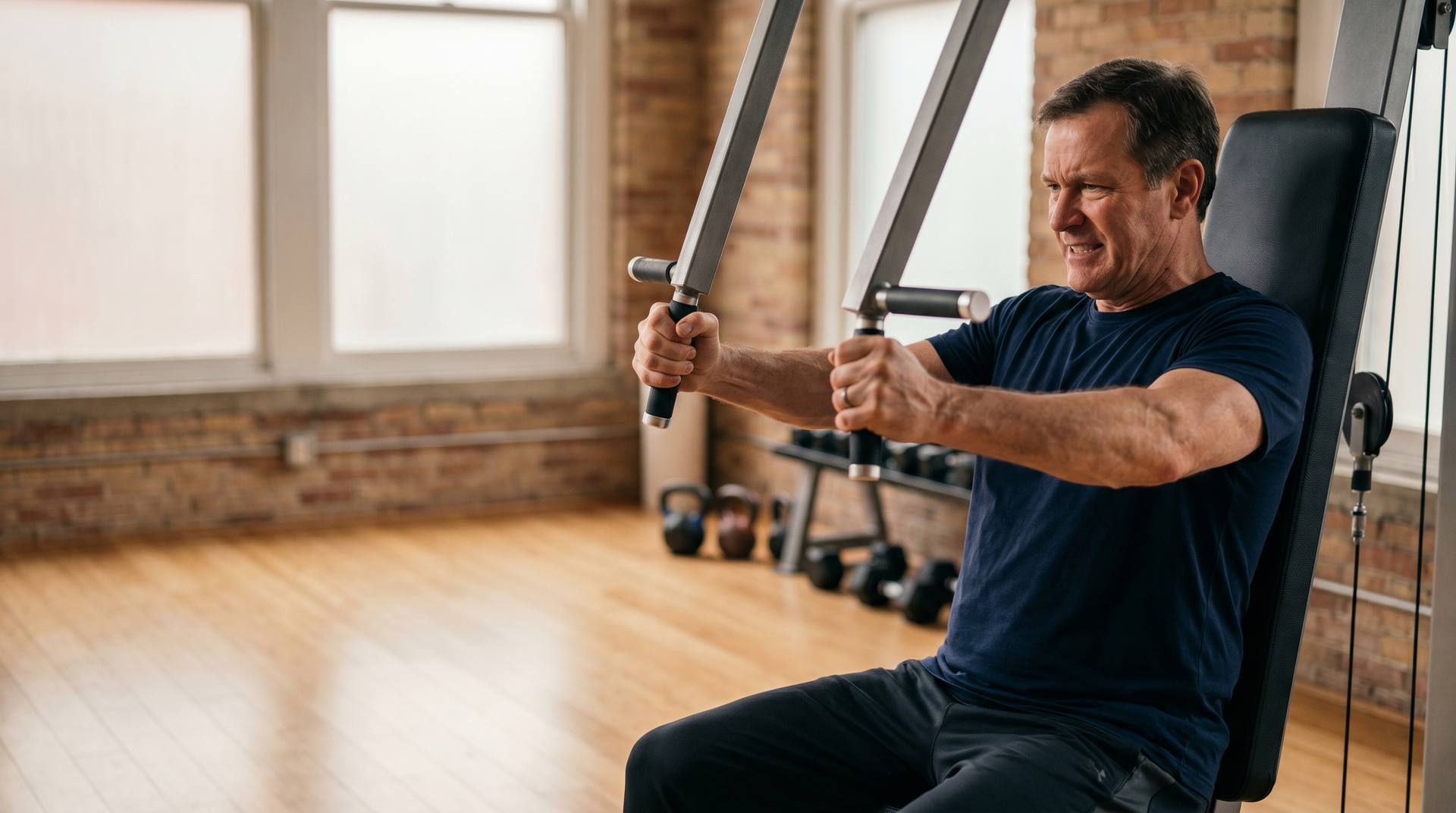
Strength machines build real muscle and strength. Learn when they are the smarter choice for beginners, solo workouts, joint comfort, and safer progress.

Menopause weight gain can feel frustrating. Learn how strength training supports muscle, bone health, and confidence with a flexible exercise plan.
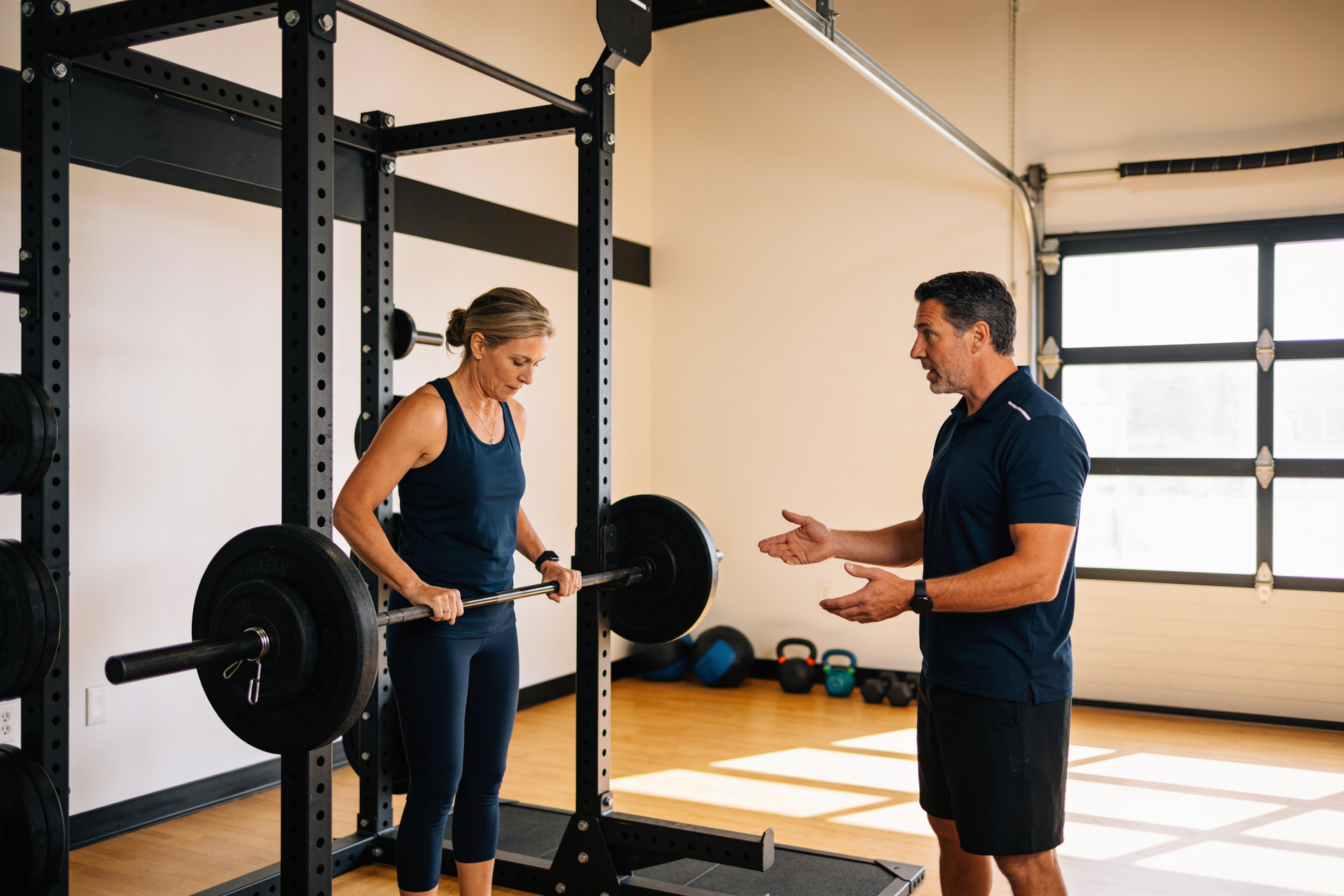
Learn when to add weight, reps, sets, or range of motion by evaluating your form, recovery, and goals for smarter, safer strength progression.

Train on sand with joint-friendly beach workouts for every fitness level, plus tips for balance, strength, heat safety, and smarter summer movement outdoors.
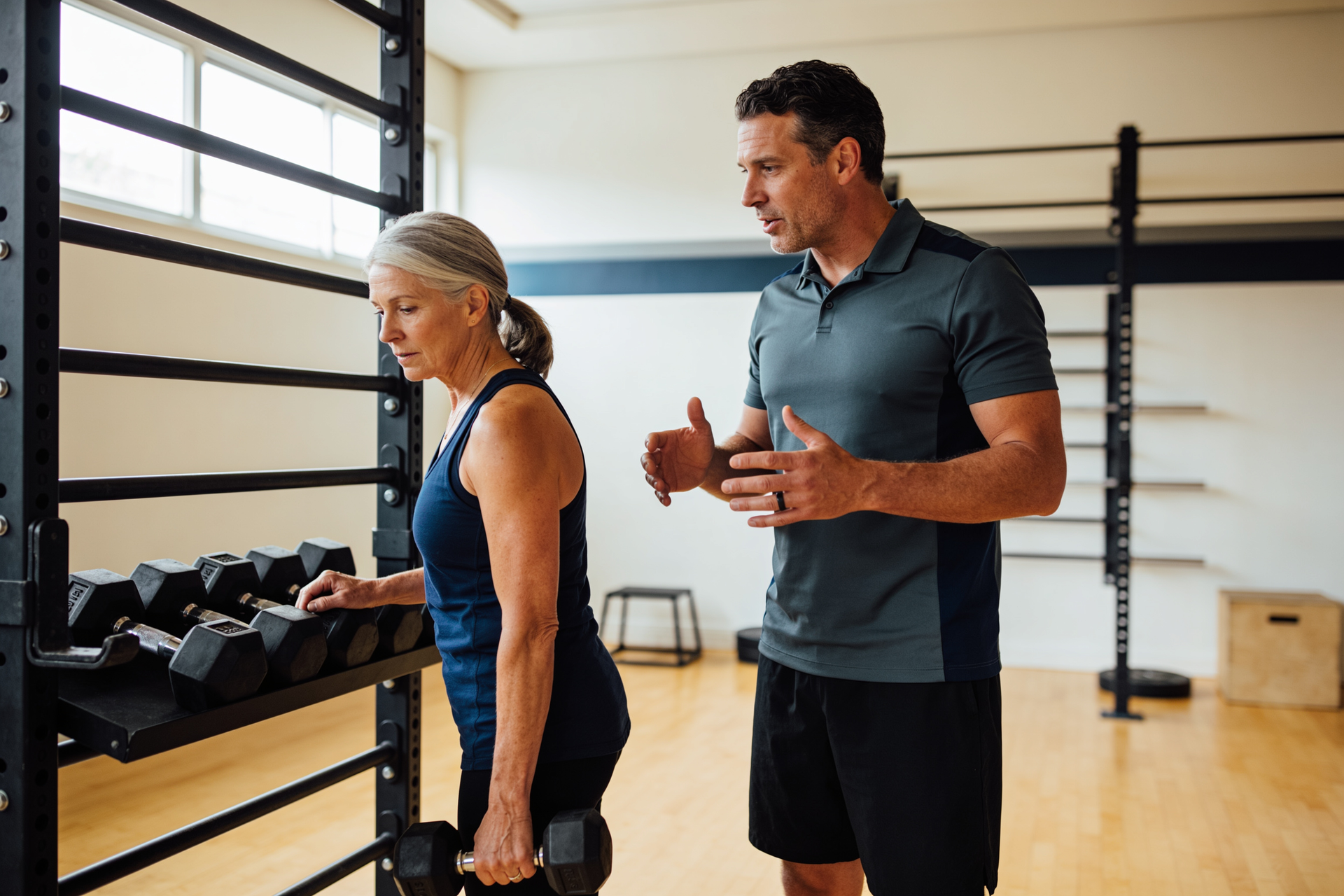
Learn why effort alone does not build strength and how smart progression, recovery, and feedback turn hard workouts into measurable, sustainable strength gains.
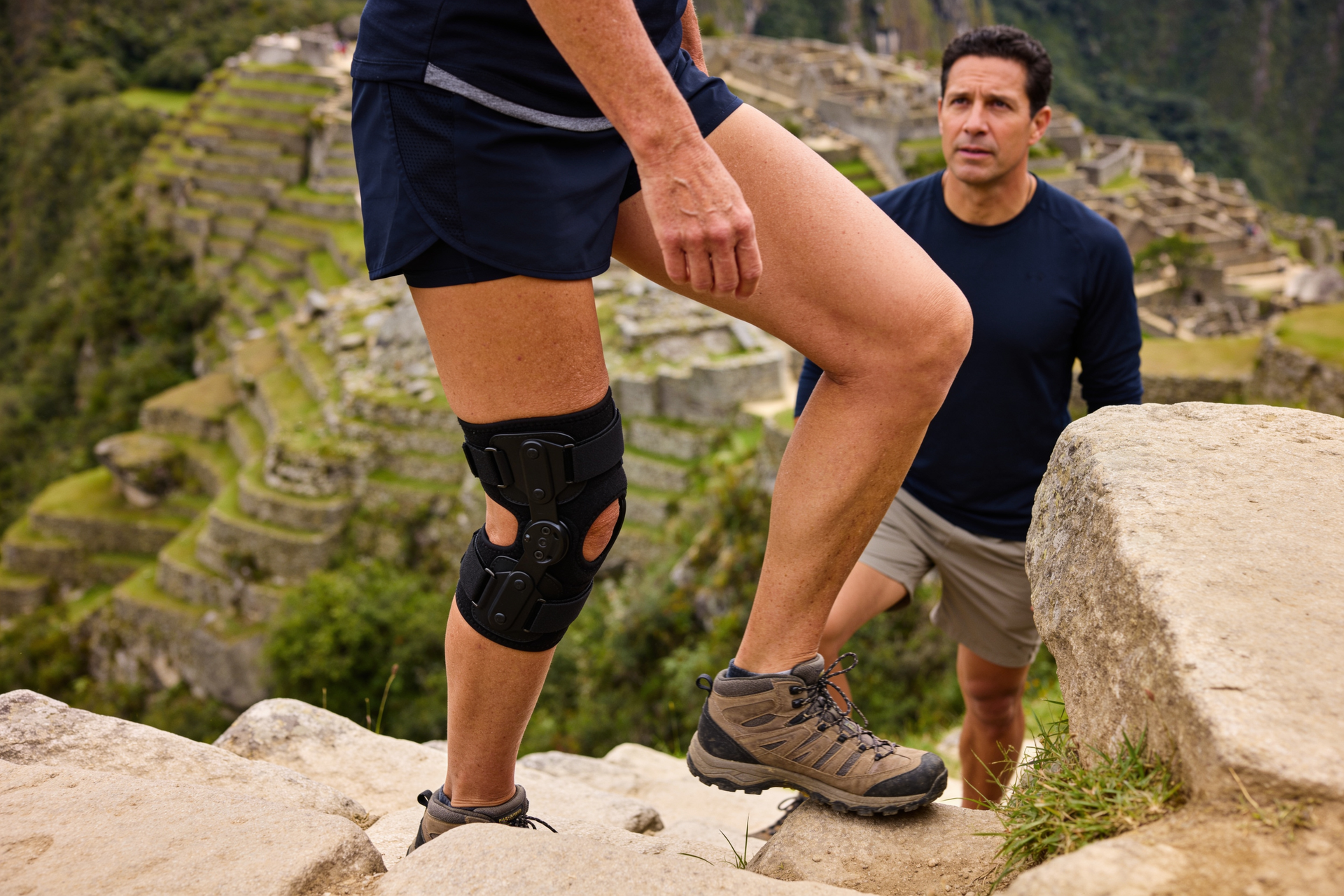
Rebuild confidence after injury with small wins, controlled progressions, and assessment-based coaching that helps you trust your body again safely over time.
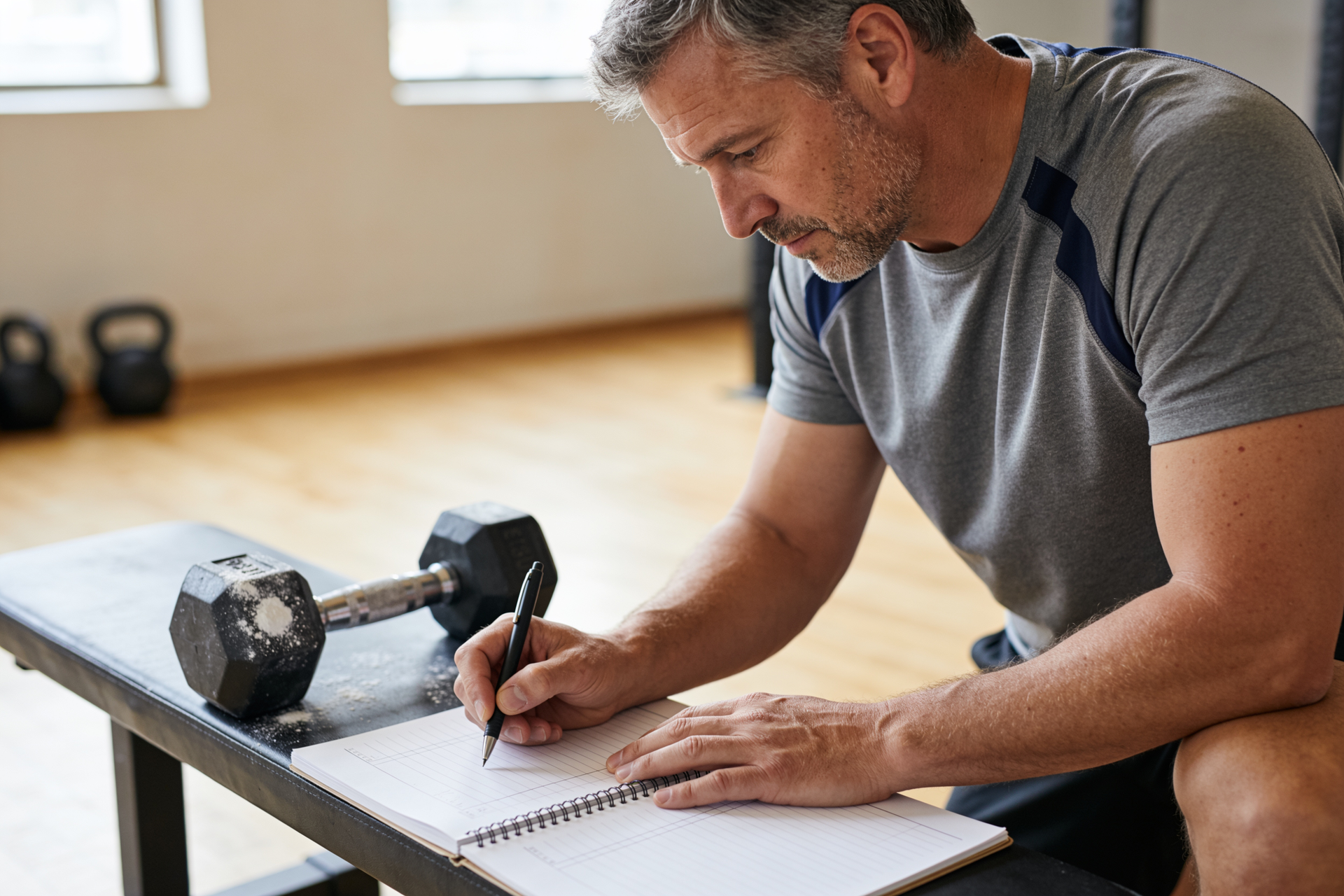
Discover why random workouts stop working and how structured strength training, progressive overload, and planned variety create progress instead of plateaus.
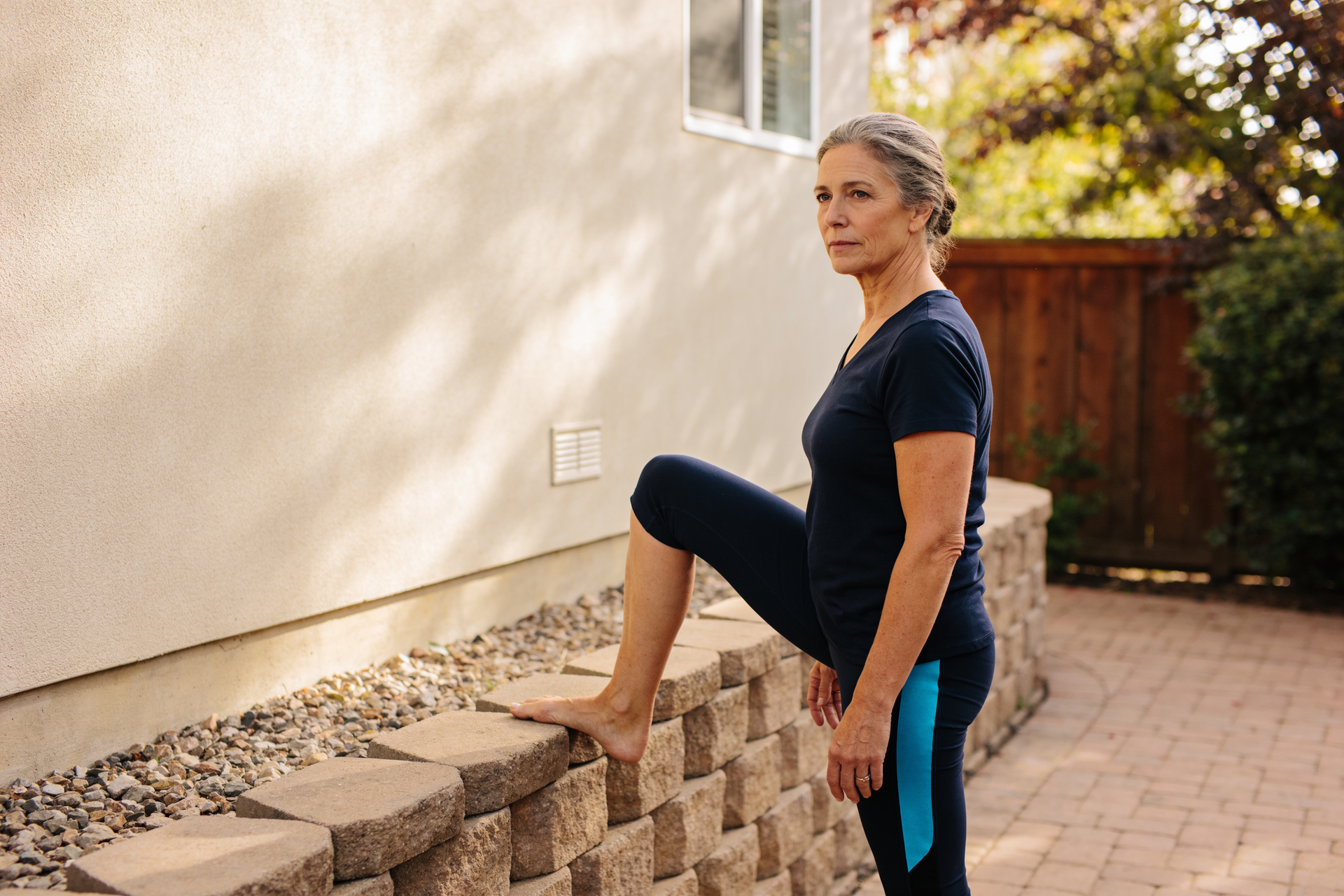
Build strength in perimenopause with a flexible plan that supports recovery, mobility, stable joints, and consistency when sleep, stress, and symptoms change.
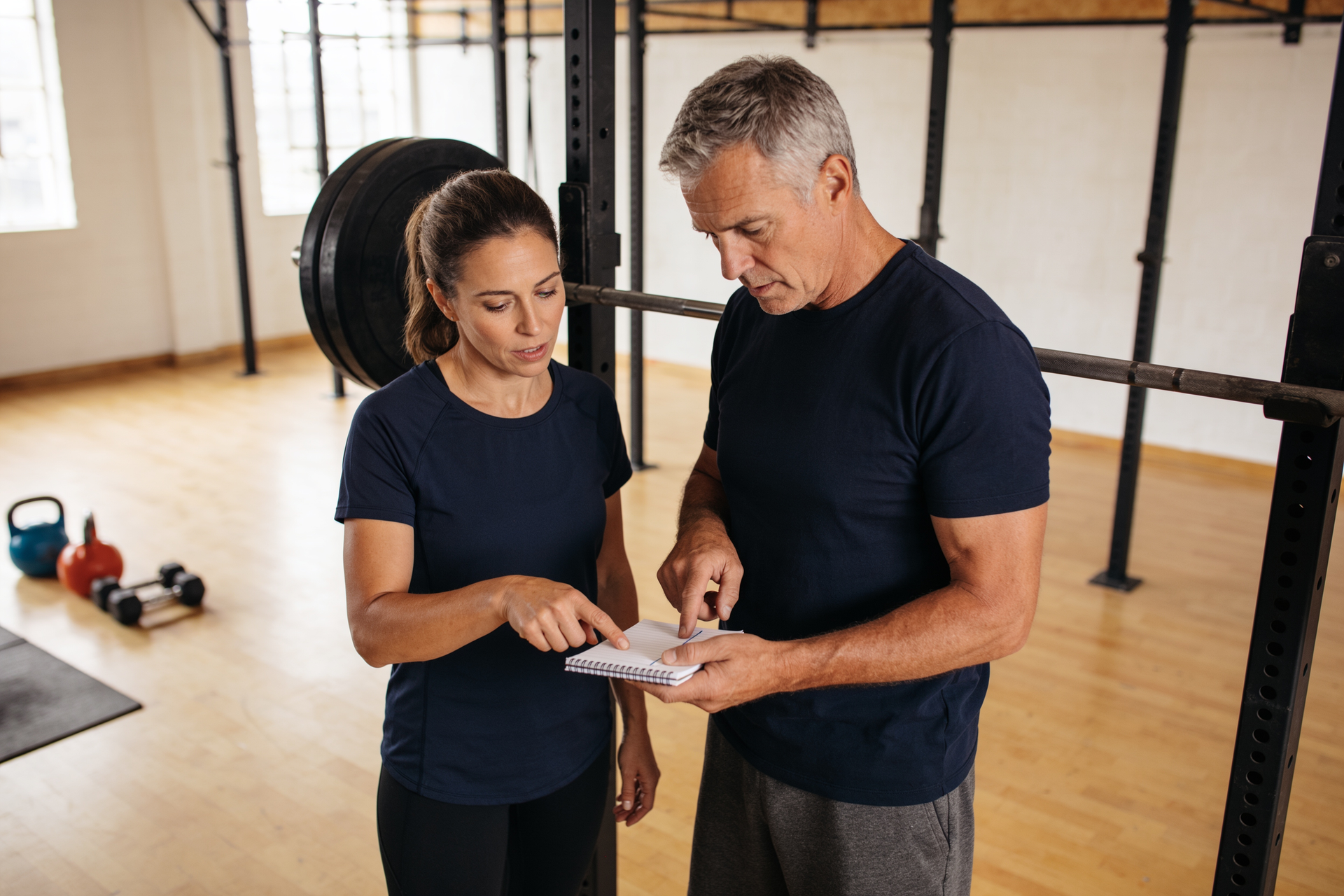
Diagnose strength training plateaus after 40 by checking load, recovery, technique, and consistency so you can fix the real limiter and progress again with clarity.
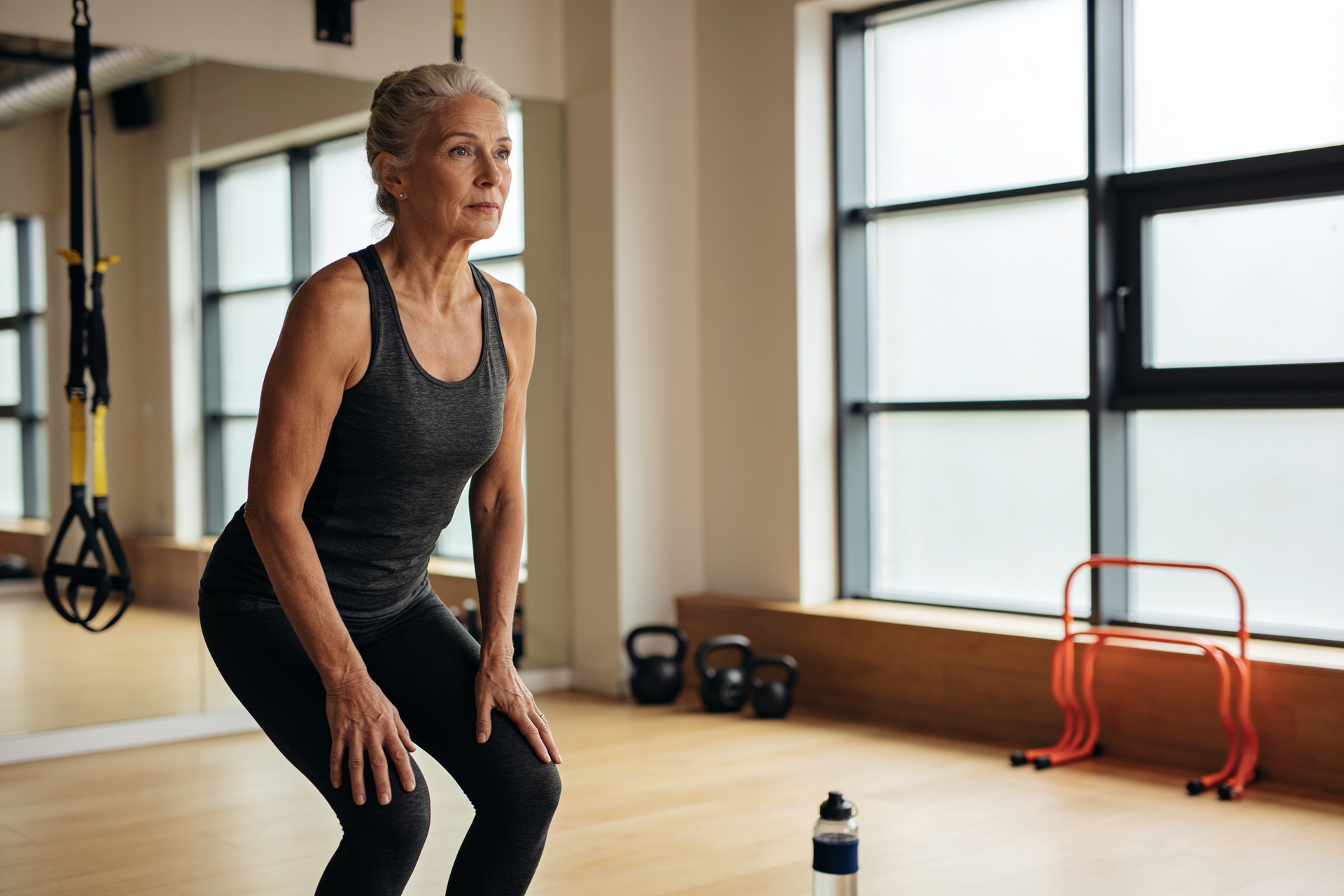
Learn how joint-friendly summer fitness protects your joints with controlled training, mobility, hydration, and smart routines that keep you strong year-round.
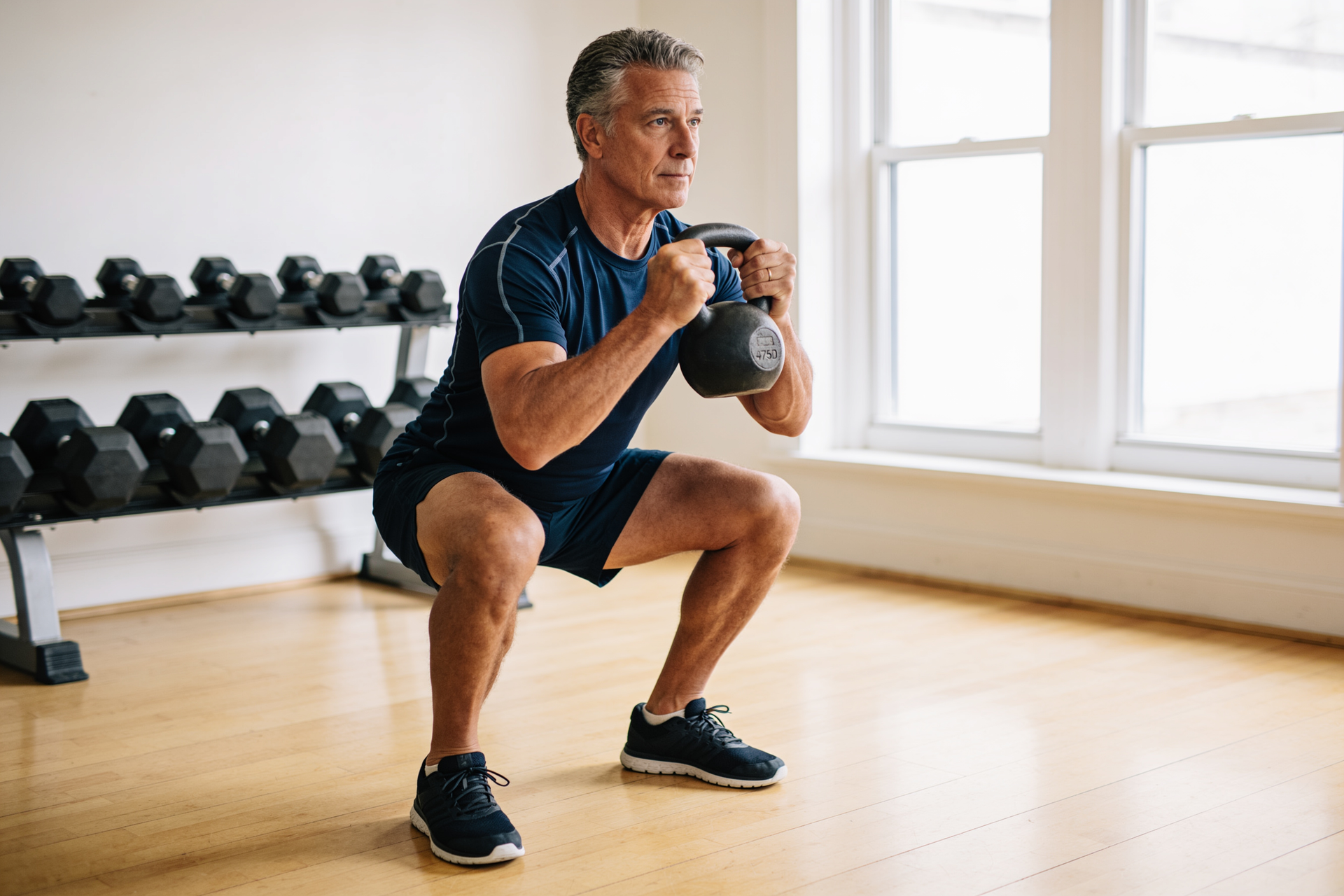
Learn what progressive overload means in plain English and how to build real strength safely by adding weight, reps, sets, range, tempo, or density over time.
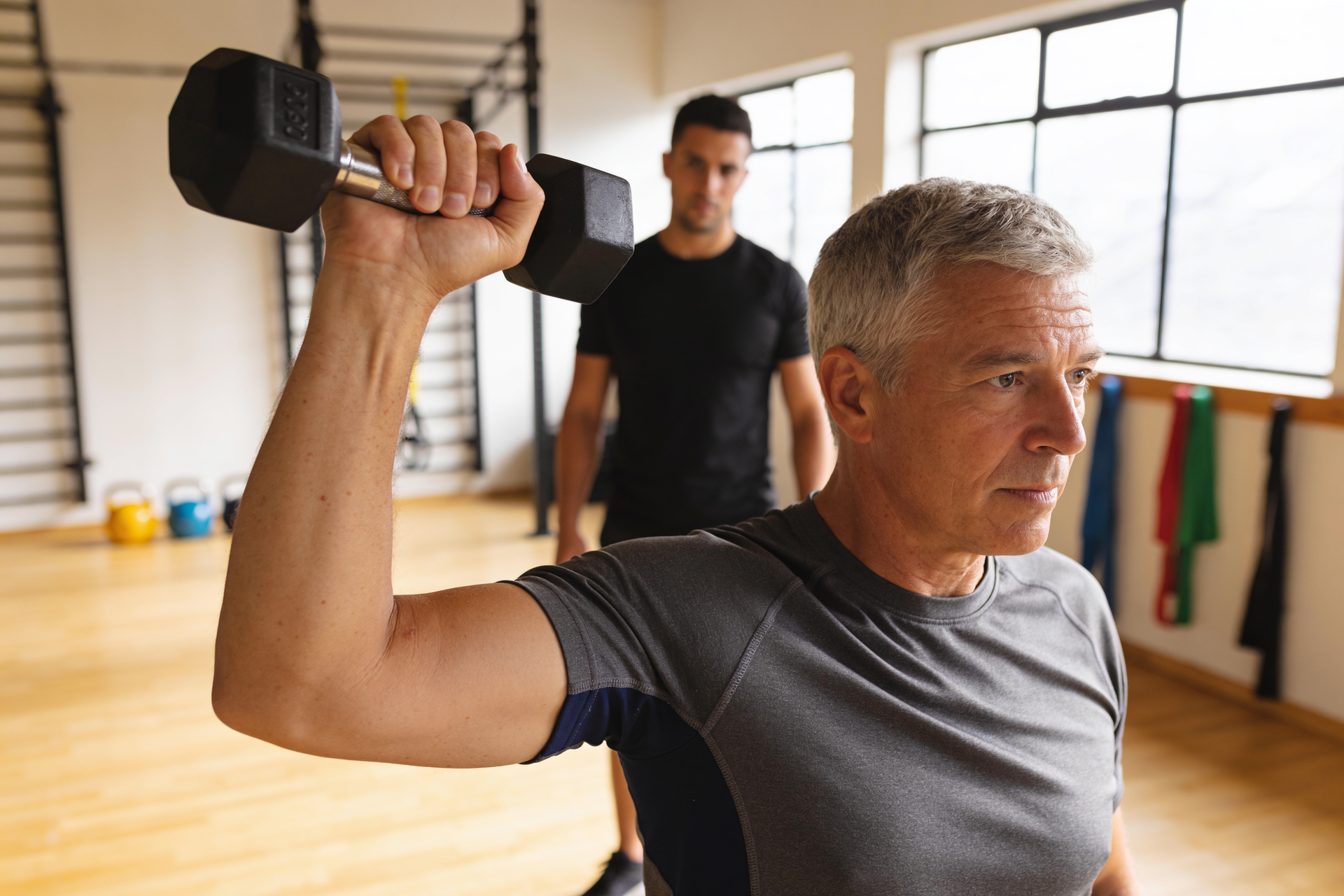
Learn how Royal Blue Fitness prevents training burnout with assessment-based programming, smart intensity, recovery, and adjustments that keep you moving well.
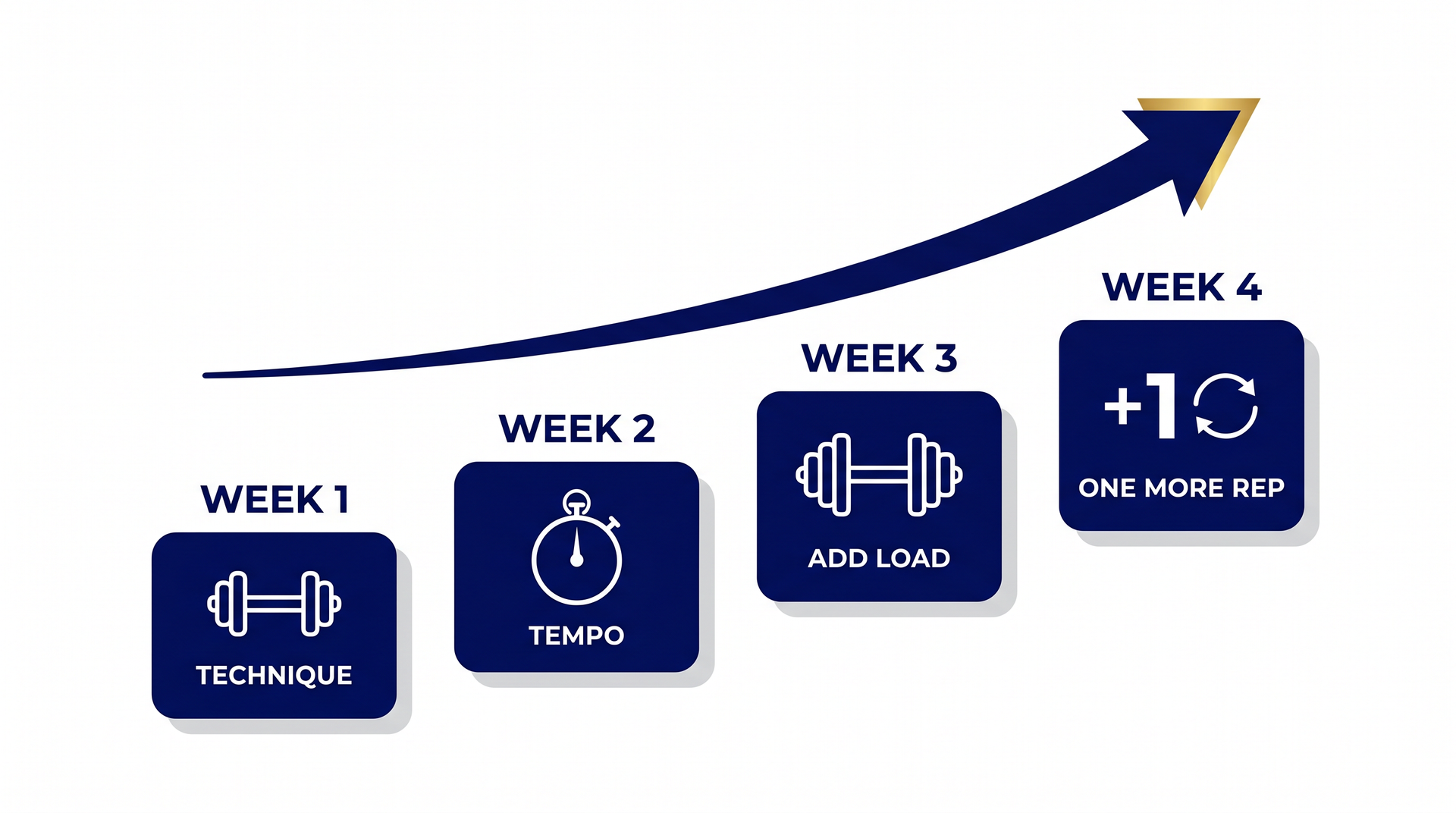
Learn how progressive overload builds strength through signal, recovery, adaptation, and smart progression without chasing soreness or heavier weights every week.
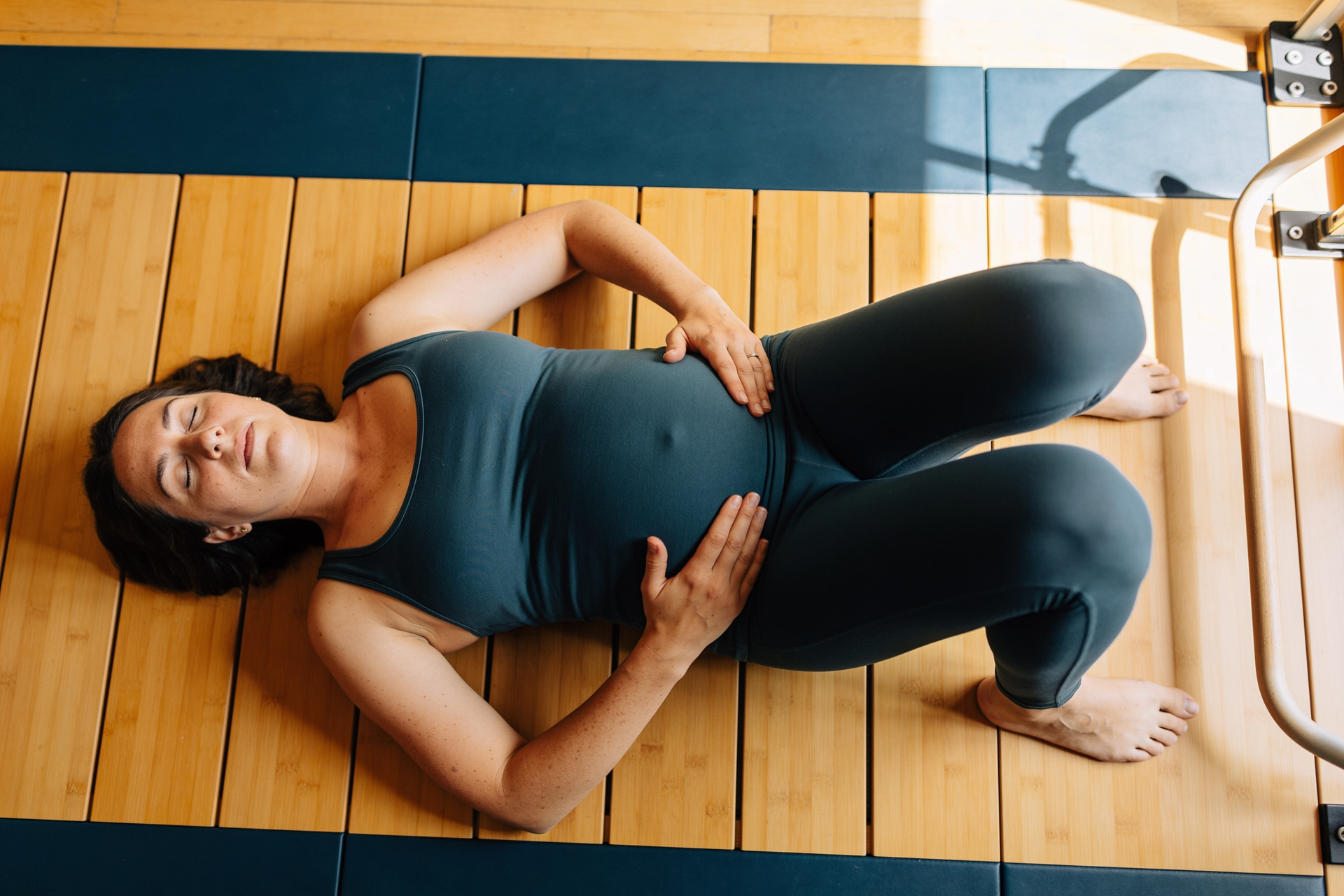
Rebuild postpartum core strength with diastasis recti exercises, breathing cues, and progressions that restore pressure control, stability, and confidence.