Stress-Reducing Exercise for Women: A Strength-First Plan for Calmer Energy and Better Sleep
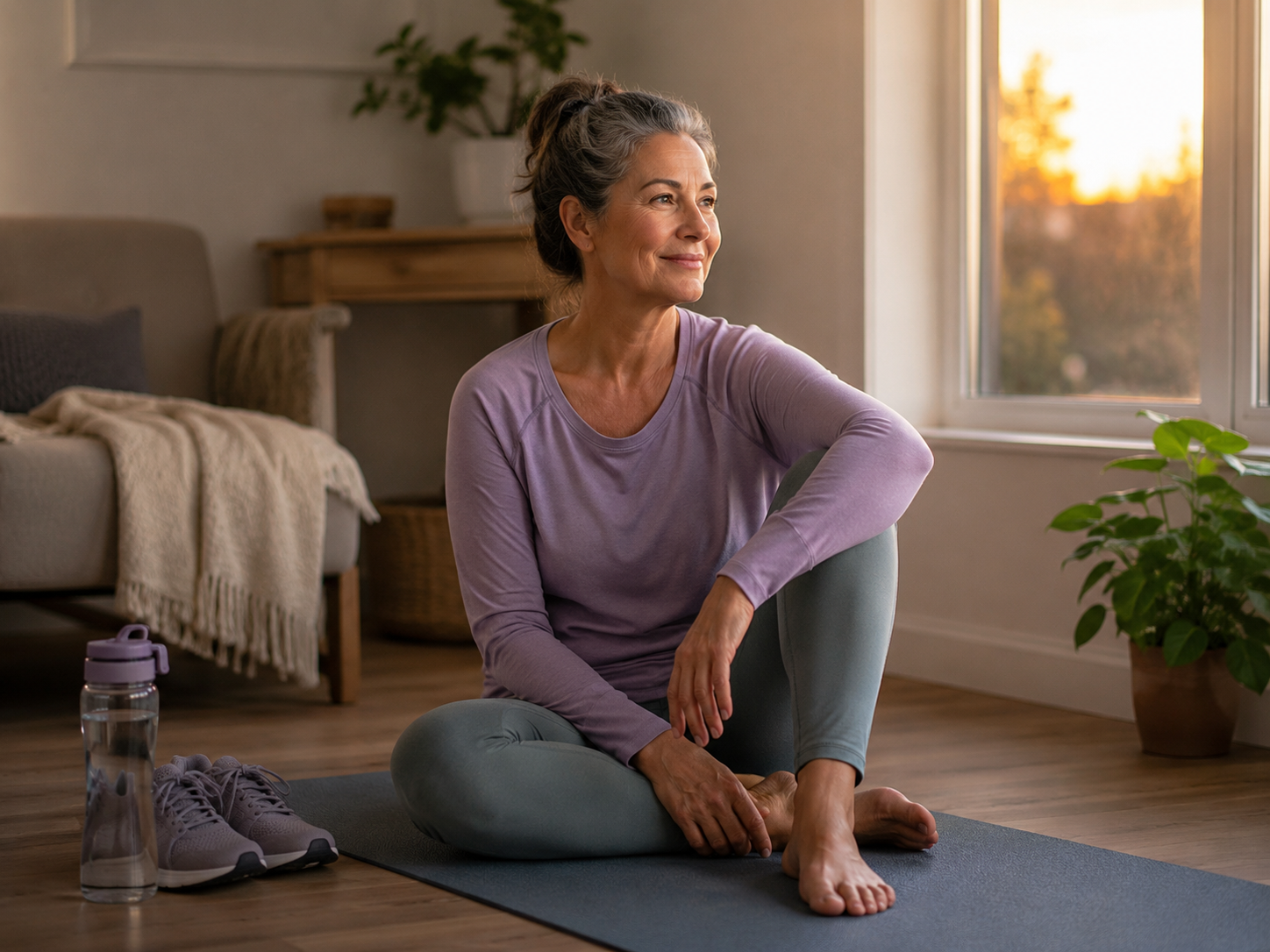
By nine in the evening, your shoulders have crept up somewhere near your ears, your jaw aches from a clench you never felt start, and your mind is still rerunning a conversation from noon. Stress is not only a feeling. It is a physical event, and it sets up shop in the body: tight neck, shallow breath, a heart that will not quite settle, sleep that shows up late and leaves early.
Most stress advice asks you to think your way calm. This guide for stress-reducing exercise for women takes the opposite route. It starts with the body, and it leans on the one tool most stress articles skip past: strength training. You will learn why movement changes the way stress feels, how to use low-impact options on the days you have nothing left, and a simple seven-day plan to build a calmer, stronger week and sleep that actually restores you.
How Movement Changes the Way Stress Feels
Stress is a survival program. Your nervous system reads a threat, real or imagined, and floods the body with signals built for fighting or fleeing: faster heart, higher blood pressure, muscles braced for action. The trouble is that a deadline or a full inbox trips the same machinery as a genuine emergency, and then that machinery never quite gets the all-clear. Exercise is one of the most direct ways to send the body an all-clear signal. It works on two levels, the nervous system and the body's chemistry, and both are worth a quick look.
It Gives the Nervous System a Clear Signal
When you train, your attention narrows to something concrete: the next rep, your breath, the path under your feet. That shift matters because a racing mind has nowhere to go but in circles, and movement hands it a single physical task to hold. Mayo Clinic describes this as meditation in motion, and after a brisk walk or a hard set, you may notice the day's irritations have quietly loosened their grip.
There is a deeper logic, too. A workout is a controlled dose of physical stress: your heart rate climbs, your body works, and then everything returns to baseline once you stop. Practiced often enough, that rise-and-recover rehearsal teaches the nervous system how to drop out of high alert and back into calm, which is exactly the skill chronic stress erodes. You are not avoiding the stress response. You are training it to end on time.
We use this idea often with clients who come in feeling wired, tense, and exhausted at the same time. The session is not about crushing them with intensity. It is about giving the body a clear effort, a clear recovery, and enough control that they leave feeling more settled than when they walked in.
The Biochemistry, Briefly: Endorphins, Cortisol, Endocannabinoids
You do not need a degree in physiology to use exercise for stress, but a peek under the hood explains why it works so reliably. Three systems carry most of the load.
Endorphins are the famous ones, the feel-better chemicals released during effort that blunt discomfort and lift mood. They are real, but they are not the whole story.
Cortisol is the hormone most people blame for stress, and its relationship with exercise is more interesting than "less is always better." Stanford Lifestyle Medicine explains that exercise temporarily raises cortisol as part of a normal challenge response, then helps the body practice bringing that response back down. At Royal Blue Fitness, we use that idea practically: the right workout should feel like a clear rise-and-recover cycle, not another stressor that leaves you wired, depleted, or unable to sleep.
Endocannabinoids round out the picture. These are molecules involved in the calm, faintly euphoric ease that can follow sustained effort. The exact chemistry of the post-workout mood shift is more complicated than the old "endorphin rush" explanation, but the practical lesson is simple: sustained movement can change how stress feels in the body, not just how you think about it.
Strength Training Is the Underrated Stress Tool
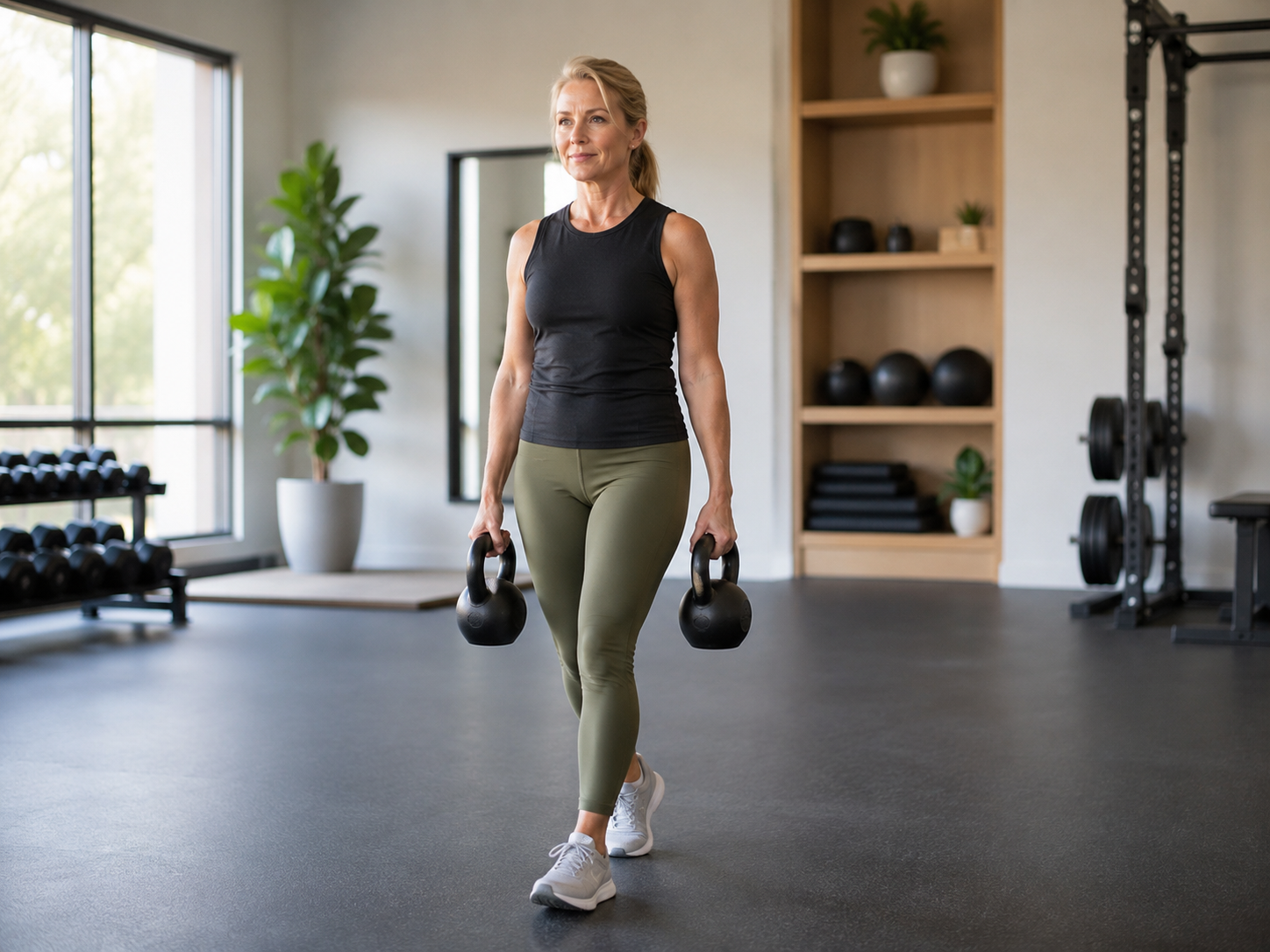
Walking and yoga get all the stress-relief headlines. Strength training deserves a seat at the same table, and arguably the chair at the head of it.
Lifting does something easy cardio does not: it hands you evidence of your own capability. The week may feel out of control, but a pair of dumbbells does exactly what physics says it will. You add a little weight, your body answers, and you collect proof that you are not as fragile as stress makes you feel. That sense of agency is a direct buffer against the helplessness that so often rides along with anxiety.
The effect is measurable, not just motivational. A JAMA Psychiatry meta-analysis of 33 clinical trials found that resistance exercise training was associated with a significant reduction in depressive symptoms, and the effect was not simply explained by how much strength people gained. None of this replaces mental-health care when you need it, and it is not a treatment promise for anxiety or depression. It does mean that a couple of well-scaled strength sessions each week can be a well-supported part of a stress-management plan, especially when they leave you feeling more capable rather than depleted.
Low-Impact Options That Still Count
Some days you have the energy for a full session. Many days you do not, and those are exactly the days movement matters most. Happily, the bar is lower than you think. The
physical activity guidelines from the CDC ask adults for about 150 minutes of moderate movement a week, plus two muscle-strengthening sessions, and they are clear that anything counts and that small amounts stack up. On a depleted day, the goal is not a perfect workout. It is to move enough to change gears.
Grounding Strength Moves
When your mind is scattered, simple loaded movements pull you back into your body better than anything fancy. Choose patterns you cannot do absentmindedly, the ones that ask for a little focus and pay you back with a feeling of solidity. A short grounding circuit might look like this:
- Goblet squats: hold one weight at your chest and sit down and stand up with control. Legs, posture, and breath in a single move.
- Hip hinges or deadlifts: push the hips back, keep a long spine, stand tall. The antidote to a day spent hunched at a desk.
- Farmer carries: pick up something heavy in each hand and walk. Few things feel as quietly powerful, or as steadying.
- Rows: pull a weight or a band toward you and squeeze the shoulder blades. A direct counter to the rounded, braced posture stress builds.
Three or four unhurried rounds are plenty. The aim is control, not exhaustion.
A common scenario we see is a client who feels too mentally scattered for a complicated workout but still needs something physical enough to shift their state. In that case, we would keep the movements simple, slow the pace down, and use familiar strength patterns so the workout feels grounding instead of overwhelming.
Easy Cardio for Recovery

Cardio for stress is not about burning the day off in a punishing session. Gentler is usually better here, because the point is to down-shift, not to pile on another stressor. A brisk walk is the workhorse, especially outdoors, where daylight and a change of scene do quiet work on your mood. Easy cycling, a slow swim, or a loose ten-minute spin all qualify. Keep the effort conversational, able to talk in full sentences, and if you finish more wound up than you started, you went too hard for a recovery day. Save the lung-busting intervals for when you feel strong and rested, and let most of your easy cardio leave you calmer than it found you.
The Five-Minute Calming Finish
How you end a session shapes how you carry it into the rest of the day. Tacking five quiet minutes onto the finish tells your nervous system, plainly, that the effort is over and it is safe to stand down.
- Slow breathing: inhale for four counts, exhale for six, for about two minutes. The long exhale is the part that calms.
- Gentle mobility: a few easy neck and shoulder rolls, a soft spinal twist, an open-chest stretch.
- One full-body stretch held for thirty seconds, breathing the whole time.
It is a small ritual, but it is the difference between leaving a workout still revved and leaving it genuinely settled.
A Simple Seven-Day Plan for Stress-Reducing Exercise for Women
Here is a week of exercise for stress management you can actually repeat. It blends two strength days, easy movement, and built-in recovery, and it assumes a real life with busy days and tired evenings. Nothing here should leave you drained. If a day feels like too much, shrink it rather than skip it.
| Day | Focus | Keep it to |
|---|---|---|
| Monday | Full-body strength: the grounding circuit | 30 to 40 min |
| Tuesday | Easy cardio: a brisk walk, ideally outdoors | 20 to 30 min |
| Tuesday | Rest, or gentle mobility if you feel stiff | 10 min |
| Thursday | Full-body strength, adding a little load | 30 to 40 min |
| Friday | Easy cardio plus the five-minute calming finish | 20 to 30 min |
| Saturday | Something you enjoy: a hike, a bike ride, dancing | as long as it feels good |
| Sunday | Rest, a slow stretch, an early night | 10 min |
Two strength sessions anchor the week, and the rest is movement that restores rather than depletes.
When we build this kind of week for someone, we are usually watching two things: whether the plan is repeatable on a tired week, and whether the person feels better after training than before. A plan that only works when life is calm is not a stress-relief plan. It has to survive real schedules, poor sleep, and the days when motivation is low.
Hold this for a few weeks before you add anything, and let consistency, not intensity, do the work.
Train Safely: Women's Health Considerations
Exercise is safe and helpful for the vast majority of people, and it is one of the best things you can do during big physical transitions. A few situations call for small adjustments rather than caution for its own sake. If any of the following apply to you, treat the notes below as starting points and let your own clinician have the final say on what fits your body.
Pregnant or Postpartum
If you are pregnant or have recently had a baby, movement is generally encouraged rather than avoided. The American College of Obstetricians and Gynecologists, in its guidance on activity during pregnancy and the postpartum period, notes that exercise is safe and beneficial for most people in the absence of medical complications, and that it can even support mood in the months after birth.
The practical version: keep training you can talk through, favor stable and supported positions as your body changes, and rebuild gradually after delivery once you have been cleared. If something feels off, that is a conversation for your provider, not a problem to push through.
Perimenopause or Menopause
Through perimenopause and menopause, energy and recovery can swing from week to week, and the routine that fit at thirty-five may not fit now. That is not a sign you are doing it wrong. It is a sign to train the body you have today. Lean on strength work to protect muscle and bone, keep most cardio easy, and respect low-energy stretches by trimming volume instead of forcing it. A lighter session you finish beats an ambitious one you dread and abandon. For a plan built around this transition specifically, our menopause and perimenopause fitness guide goes deeper.
When Pain Flares
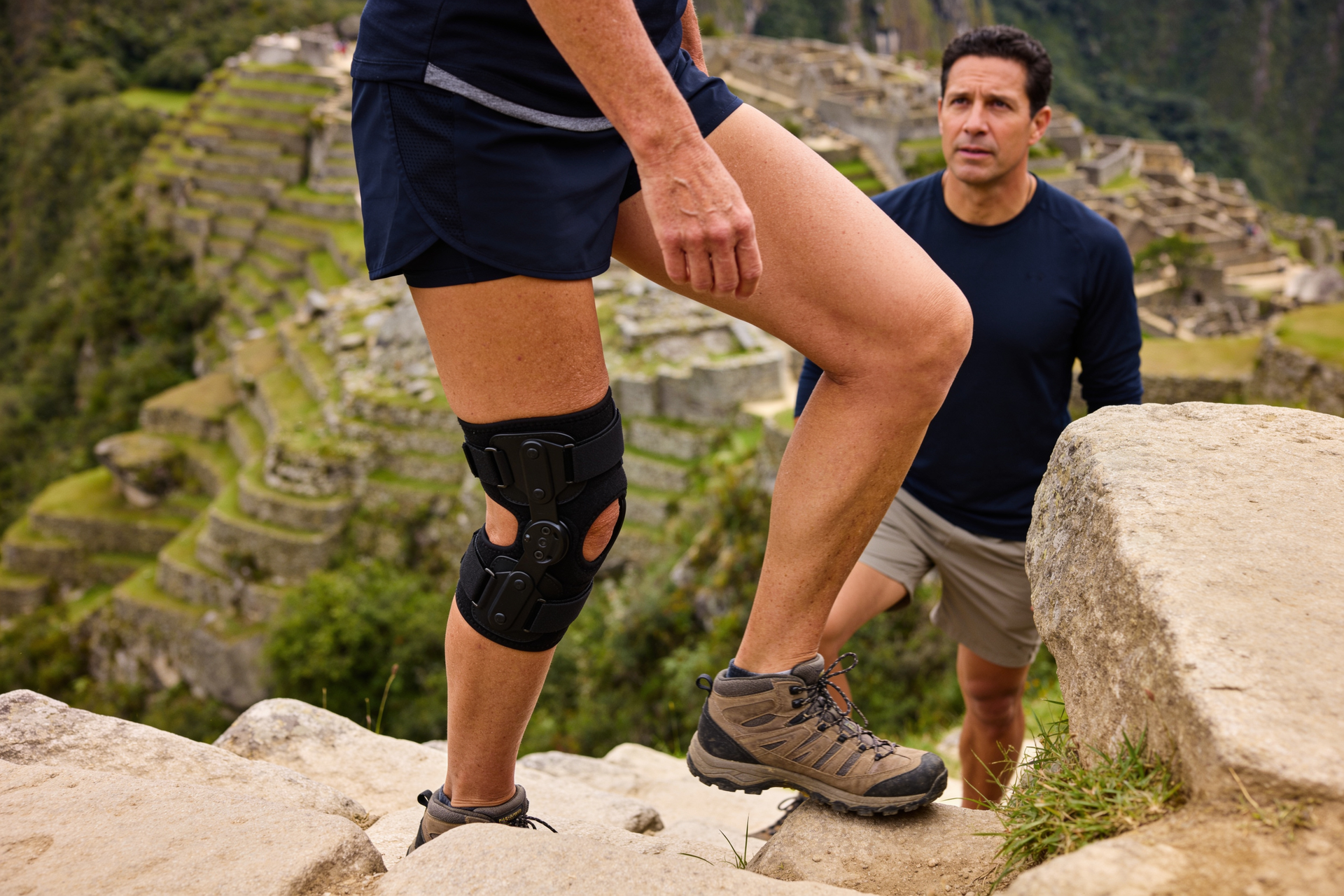
Pain is information, not an automatic stop sign. Sharp, sudden, or worsening pain means back off, and if it lingers, get it looked at. Familiar stiffness or mild achiness usually means the opposite: the body is asking for controlled, deliberate movement. When a joint is cranky, change a variable instead of quitting. Shorten the range, slow the tempo, drop the load, or swap to a friendlier pattern, a goblet squat to a box, a hinge with a kettlebell instead of a barbell, a push against the wall instead of the floor. The point is to keep moving in a way that respects the signal rather than grinding through it or freezing entirely.
What to Notice in the First Few Weeks
Expectations are where most stress-relief plans quietly fall apart, so set honest ones.
In the first week or two, the wins are immediate but modest. You will likely sleep a little deeper on training days and feel a short window of calm after each session. That post-workout settledness is the most reliable early signal, and it is worth noticing because it is proof that the mechanism is working.
By three to four weeks, the changes start to compound. The calm lasts longer. Stress still arrives, but it seems to bounce off a little more and stick a little less, and you may catch yourself reaching for the workout when you are wound up instead of dreading it. That is the quiet turning point.
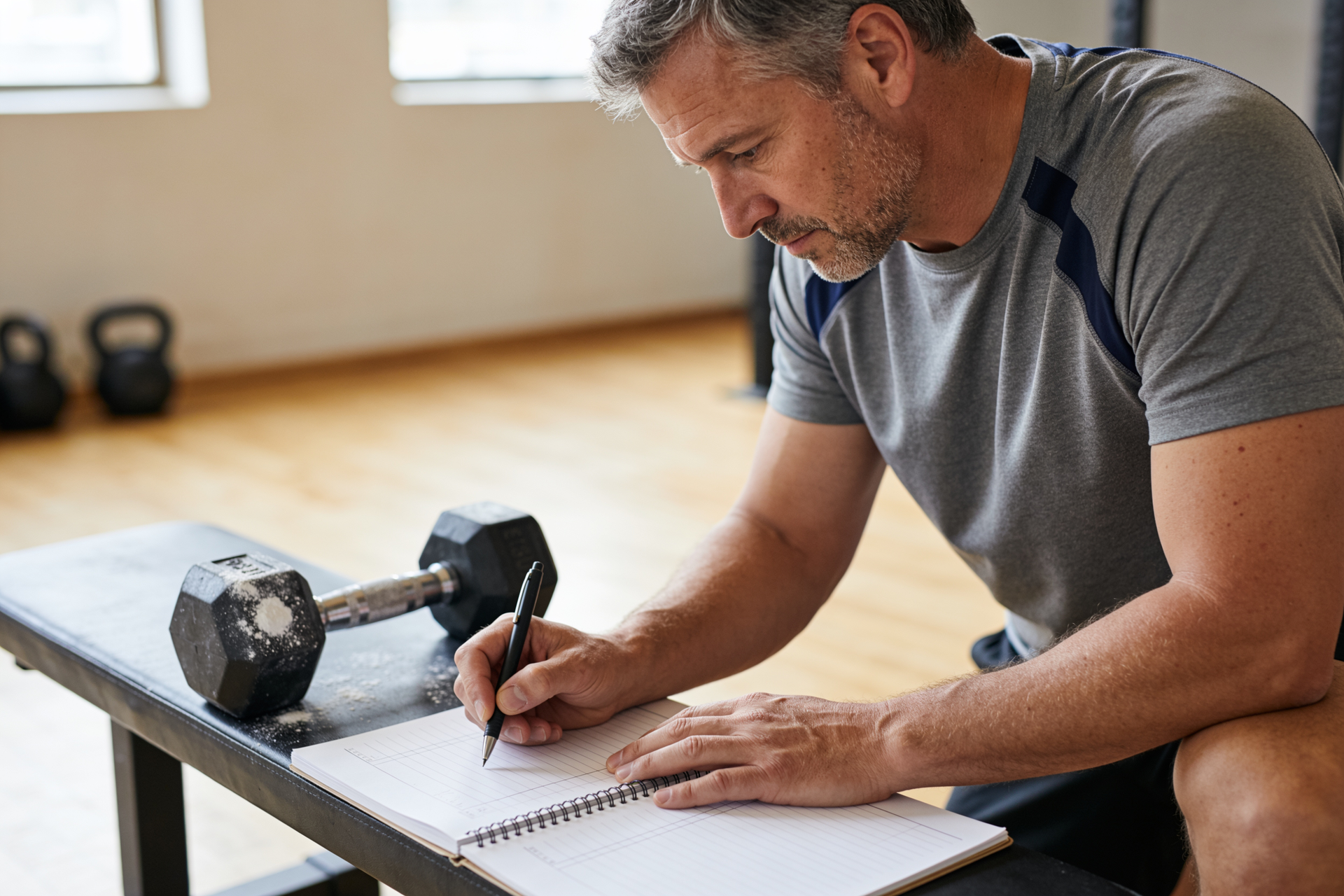
What you will not get is a stress-free life, and any plan that promises one is selling something. Exercise does not erase stressors. It changes your capacity to carry them. Track how you feel and how you sleep, not just what the workout looked like, and let that be your scoreboard.
Build a Calmer, Stronger Week
Stress will keep showing up. Deadlines, family, the ambient hum of too much to do, none of it is going away. What you can change is how your body meets it.
Strength training, easy movement, and a few quiet minutes to close each session add up to a nervous system that knows how to stand down, chemistry that tilts toward calm, and the steady confidence that comes from doing hard things on purpose. Start small. Two strength sessions and a couple of walks this week are a real beginning, not a consolation prize.
Pick your first stress-reducing exercise for women session, put it on the calendar, and let a calmer, stronger week build itself one day at a time. Your shoulders, your sleep, and your evenings will thank you.
The Royal Blue Fitness Approach to Stress-Relief Training
Stress relief, the way we coach it, is a training outcome you can build, not a mood you have to chase down. The plan above works on your own, and plenty of people run it solo for months. Where coaching earns its keep is in the details that are hard to judge from the inside: which strength patterns suit your joints, how much is enough on a depleted week, and how to keep the plan alive when life gets loud.
Our approach for women's fitness in Pleasant Hill is strength-first and deliberately joint-friendly. We start by seeing how you actually move, then build a week you can repeat without dread. If you would rather not guess at the starting point, the Strength and Range of Motion Assessment is a simple way to get a clear baseline and a plan matched to your body. No pressure and no transformation promises, just a calmer, stronger week built on what your body can do today.
Stress-Relief Training: Quick Answers
What should I do when I'm too stressed to work out?
Start absurdly small. Ten minutes of easy movement, even a slow walk around the block, is enough to nudge your nervous system out of high alert. On a hard day, the goal is a reset, not a perfect workout, and a short session you finish beats a long one you skip. Tell yourself you only have to start, give it ten minutes, and then decide whether to continue. More often than not, you will, and on the days you do not, the ten minutes still count. Momentum matters far more than intensity when you are running on empty.
Is lifting or walking better for stress?
Both help, and the best one is the one you will actually do. Walking is the easiest to reach for and genuinely good at downshifting a busy mind, especially outdoors. Strength training tends to deliver something extra: a felt sense of capability, a direct counter to feeling overwhelmed and swamped. If you can, do both across the week: easy walks for recovery and a couple of strength sessions for resilience. If you can only manage one this week, choose whichever fits your life, and let it be enough.
Do I have to train hard for it to work?
No. Consistency beats intensity for stress relief, and training too hard can backfire by adding one more stressor your body then has to recover from. Moderate, repeatable sessions you can sustain for months will do far more for your stress than occasional all-out efforts that leave you sore and discouraged. Keep most of your training comfortably challenging rather than punishing, finish sessions feeling better than when you started, and treat that steady, sustainable effort as the whole point.
What helps when I feel tight and stiff?
Gentle, controlled movement usually helps more than rest. Stiffness is often the body asking to move, not a reason to sit still. Strength work taken through a full, comfortable range, plus a few minutes of easy mobility, tends to loosen things up more reliably than stretching alone. Ease in rather than forcing it, and let the tissue warm up over the first few minutes. If the sensation is sharp, new, or lingering rather than the familiar stiffness of a desk-bound day, treat that differently and have it checked by a professional instead of training through it.
Here are our latest articles! Click to read more.