Cycle-Based Training: How to Adjust Your Workouts Across Your Menstrual Cycle
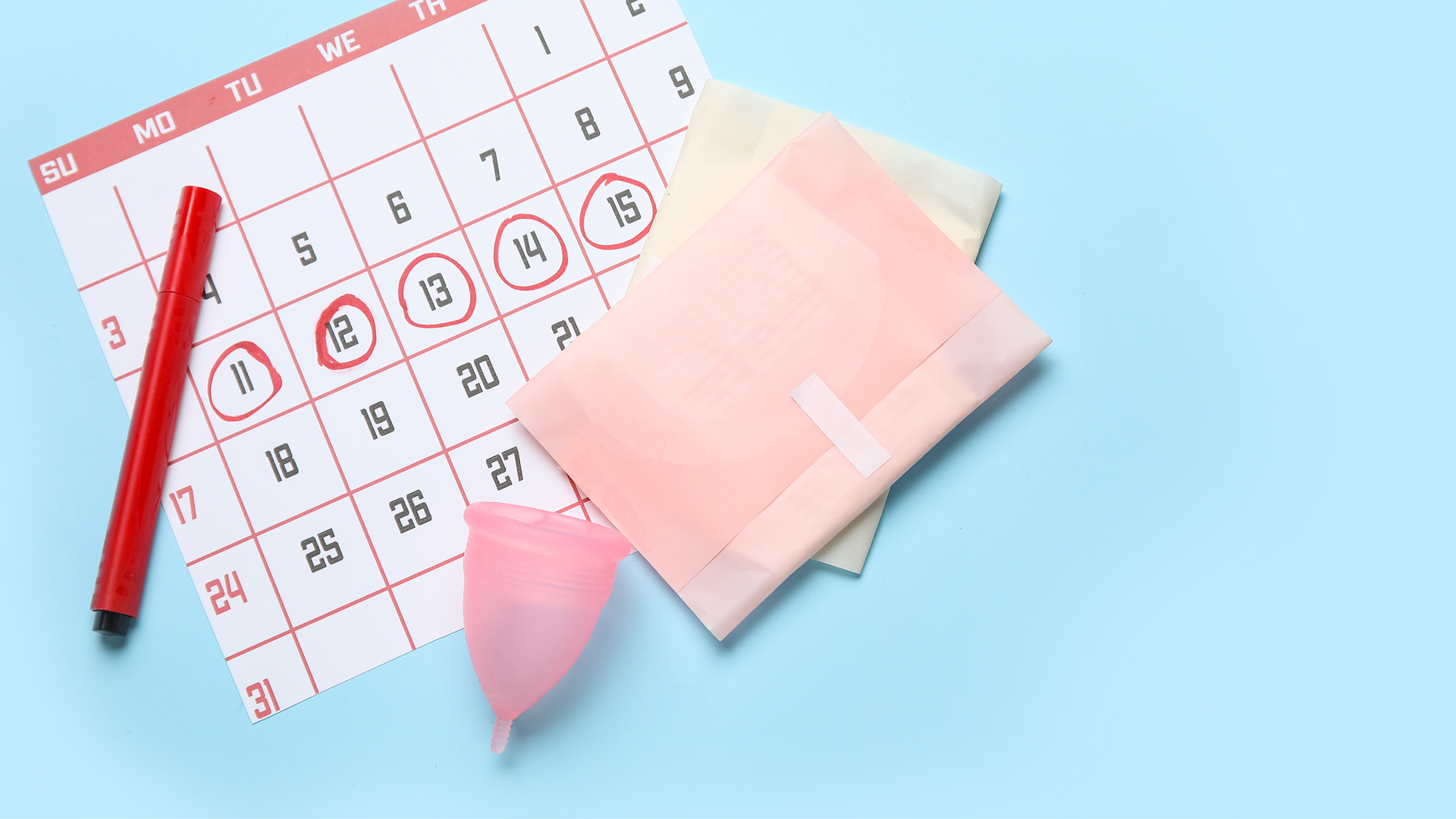
You have probably heard it both ways: “Train harder in this phase,” “Deload in that phase,” “Never lift heavy around ovulation,” “Only do yoga during your period,” and everything in between.
The problem is simple: there is no single, definitive rulebook that fits every woman, every month.
If you want to keep working hard toward your goals, but you are second-guessing whether your menstrual cycle should change your plan, this is for you. This is cycle based training that adapts to your body, not a rigid calendar.
Calendar-based training is the wrong starting point for most women
A lot of “cycle syncing” content is built around a neat 28-day template. It looks organized, but it breaks down fast in the real world because cycle length varies even among people with very regular periods, PMS can last 1 day or 10 days, and symptoms can change month to month. This FAQ from OASH, answering questions relating to menstrual cycle and health issues is a good reminder that variability is the norm, not the exception.
So if you have ever tried to follow a phase calendar and thought, “This does not match what I’m feeling,” that’s not you being difficult. That’s the system being unrealistic.
A better strategy: train by readiness, use the cycle as context
Here’s the shift:
- Calendar-based training says: “It’s day 16, so you should train like X.”
- Readiness-based training says: “Here’s how you’re showing up today, so we’ll adjust the session dials.”
Those dials are:
- Intensity: how heavy or how hard
- Volume: how much total work (sets, reps, total time)
- Skill demand: stable basics vs high-skill lifts and fast changes of direction
- Recovery: rest times, warm-up length, and how close to failure you push
This approach works whether your cycle is textbook, irregular, changing, or simply unpredictable.
A quick cycle refresher, with the hormone “why” behind it
You do not need to become a physiology nerd to train well, but understanding the basics helps you ignore bad advice with confidence.
The menstrual cycle is driven by a coordinated signal between the brain and the ovaries. If you want a straightforward explanation without getting lost in jargon, the Merck Manual’s overview of the menstrual cycle is one of the cleanest summaries.
The big two hormones you’ll hear about
In simple terms, estrogen rises in the first half of the cycle and peaks around ovulation, and progesterone rises after ovulation and falls before your period. UCSF has a clear breakdown of those patterns in its menstrual cycle education page.
Phase and training snapshot chart
Use this as a reference, not a schedule.
| Phase (typical) | Hormone pattern (simplified) | What you might notice | What usually works well in training |
|---|---|---|---|
| Menstruation (period) | Estrogen and progesterone are lower | Cramps, low back ache, lower energy, or you feel totally normal | Keep the plan, adjust the dials: shorter session, fewer hard sets, longer warm-up |
| Follicular (after period, leading into ovulation) | Estrogen rises | Many feel better energy and higher tolerance for hard training | Great window to push progressive overload, if you feel good |
| Ovulation window | Estrogen peaks, progesterone begins rising after | Some feel strong and sharp; others notice nothing | Train normally. Technique, warm-up, and smart loading matter year-round |
| Luteal (post-ovulation to period) | Progesterone is higher, then drops late | PMS symptoms may show up: bloating, sleep changes, mood shifts, headaches | Maintain consistency, but reduce grind: cap volume, choose stable variations, prioritize recovery |
If you want a deeper hormone refresher with a bit more detail, but still readable, Iowa State’s open textbook chapter on
female hormones and the menstrual cycle is a helpful reference.
What the research actually suggests about cycle phase and performance
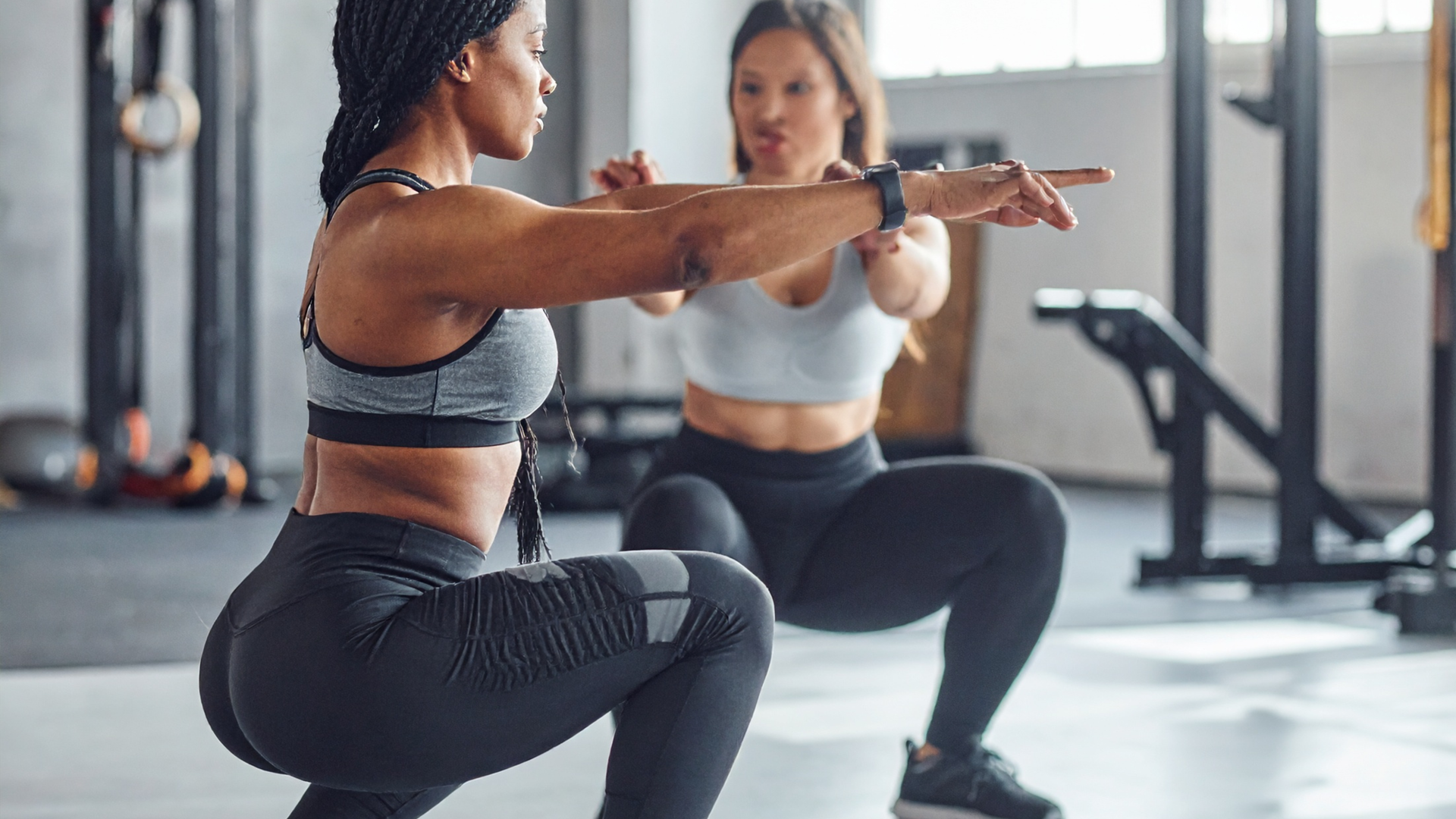
If you go looking for a single verdict like “strength is higher in phase X,” you’ll find conflicting answers. A big reason is that research varies in how cycles are verified and how outcomes are measured.
A 2023 umbrella review published in Frontiers in Sports and Active Living is useful here because it summarizes a wide range of studies and still lands on a grounded conclusion: the evidence does not support rigid phase-based resistance training prescriptions as a universal rule.
That means:
- You can absolutely make progress all month long.
- You do not need “no training” weeks.
- You do not need fear-based rules about specific days.
The practical method: “If this, then that” training adjustments
Think of this like coaching yourself through the month.
Step 1: Use a 30-second readiness check
Before you decide to push or pull back, check these four things:
- Energy today: low, medium, high
- Sleep last 1 to 2 nights: solid, okay, poor
- Symptoms today: cramps, headache, bloating, breast tenderness, low back ache
- Coordination and stability: Do your warm-up reps feel smooth or sloppy?
If your warm-up feels off, that is your most honest data.
Step 2: Choose one of three session styles
Green light session (push day):
- You feel normal or strong
- Warm-up feels crisp
- You can progress load or reps
Yellow light session (train, but don’t grind):
- You feel “fine but not amazing,” or PMS is present
- Keep intensity moderate, reduce volume
- Leave 2 to 3 reps in reserve more often
Red light session (keep the habit, protect recovery):
- Symptoms are loud, sleep is poor, or you feel depleted
- Keep it short and simple: move, get blood flow, leave feeling better than you came in
This is where cycle-based training becomes real. It is not a calendar. It is decision-making.
How to train during your period without overthinking it
Some women want to train normally during their period. Others feel cramping, fatigue, or low back sensitivity.
Both are normal. Menstruation itself is not a reason to stop training.
What tends to work best:
- Longer warm-up: more breathing, mobility, gradual ramp-up sets
- Stable patterns: hinge, squat, push, pull, carry, with clean technique
- Avoid “testing” days if you feel crampy or low-energy
A simple rule: if the first two working sets feel unusually heavy, don’t force it. Train, then live to push next week.
Ovulation and the “injury risk” panic: keep this grounded
You will see content online implying that ovulation is a dangerous time to lift or sprint.
For most non-elite adults, that framing is exaggerated.
What actually reduces injury risk, month-round:
- Appropriate loading and progression
- High-quality warm-ups
- Technical control
- Not stacking max effort onto poor sleep and high stress
If you feel great around ovulation, train. If you feel off, adjust like you would any other day.
Exercise during PMS: what to change so you can still make progress
This is where most women want the answer, and it is also where rigid calendars fail the most.
PMS can show up as:
- Bloating and feeling “heavy.”
- Headaches
- Mood shifts and lower motivation
- Breast tenderness
- Low back ache
- Sleep disruption
The goal during PMS is not “easy workouts”
The goal is to keep training productive without turning every session into a fight.
Here are the most reliable adjustments:
- Keep intensity, trim volume
If you still feel coordinated and strong, keep some heavier work, but do less of it.
- Same main lift
- Fewer hard sets
- Fewer accessory exercises
2. Lower skill demand
Swap high-skill or high-variation movements for stable, repeatable options.
- More machines or supported positions
- More tempo and pauses
- Fewer “complex” circuits that spike fatigue
3. Reduce impact if you feel beat up
If joints feel cranky or you feel sluggish, keep your conditioning low-impact.
- Incline walking
- Bike
- Row
- Low-impact intervals
4. Make recovery part of the plan
Evidence reviews suggest exercise can help reduce PMS symptoms for many people, including a systematic review and meta-analysis inBJGP Open.
If sleep is off in the days leading into your period, protect recovery:
- More rest between sets
- Slightly shorter sessions
- Earlier cutoffs before failure
Tracking without obsession: the minimum that works
You do not need an app, but you do need a little data if you want to spot patterns.
Track just three things for 2 to 3 months:
- Day 1 of bleeding
- Top 1 to 2 symptoms (example: cramps, headache, bloating)
- Training readiness (green, yellow, red)
If you want a clear medical explanation of how PMS is diagnosed and what clinicians look for, the Mayo Clinic’s PMS overview explains the role of symptom tracking clearly.
When symptoms are a medical issue, not a training issue
Fitness coaching can help you train smarter through normal cycle variation, but there are times when it’s worth talking to a medical professional.
Consider getting medical input if you have heavy bleeding that is new for you or getting worse over time, especially if you are soaking through pads or tampons quickly. The CDC explains conditions linked to heavy menstrual bleeding, while ACOG outlines heavy menstrual bleeding symptoms and causes.
If you’re not sure what’s “normal,” that is a fair question to bring to a clinician.
Cycle-based training in Pleasant Hill: how we coach it at Royal Blue Fitness
At Royal Blue Fitness, we don’t run you through a one-size calendar. We coach real-world training that adapts to how you present that day.
If you want to train through PMS without derailing progress, or you want a plan that respects your cycle without being controlled by it, we can help.
Here’s what that looks like in practice:
- A strength-first plan built around your goals
- Session dials that adjust based on readiness, not guesses
- Progress tracking so you can see what works for you over time
- A coaching environment that treats this as normal physiology, not drama
If you’re looking for women’s fitness Pleasant Hill clients can rely on, reach out. We’ll help you build consistency, then progress.
Here are our latest articles! Click to read more.