Weekend Activity Readiness Checklist: Are You Ready for Hiking, Stairs, Luggage, Gardening, and Long Days on Your Feet?
The trip is booked, the trail is picked, or the family has decided that this is the weekend the yard finally gets sorted. Somewhere between the plan and the day itself, a quieter question tends to surface: is your body actually ready for this? Most weekend plans are not athletic events, but they make real physical demands, and the gap between "I used to handle this easily" and "I am not so sure anymore" often reveals itself at the worst moment.
This checklist helps you find out beforehand. It walks through five common weekend demands and helps you gauge whether you are ready, almost there, or due for a little preparation first.
One thing to be clear about up front: this is a practical readiness check, not a medical screen, and it cannot predict or prevent injury. It is a way to think ahead about what your weekend will ask of your body, so you can prepare rather than be caught off guard. Think of it less as a test and more as checking the forecast before you pack: a quick look ahead that lets you bring the right preparations along.
Readiness, defined for weekend activities
Readiness here simply means your body can comfortably meet the demands of an activity, with enough margin to enjoy it. It is not about being able to grit through something once and pay for it for three days afterward. Real readiness means you can do the activity, recover from it reasonably, and do it again, without dread.
Every weekend activity is a specific combination of physical demands: some strength, some endurance, some balance, and some tolerance for being on your feet or repeating a movement many times. When those demands match what your body is currently ready for, the activity feels good. When they outrun your current readiness, the activity becomes a slog or a setback.
Checking ahead simply lets you close any gap before the weekend rather than discovering it midway up a hill. The trouble with finding a gap mid-activity is that you cannot do much about it in the moment: you either push through uncomfortably or cut the day short. A little foresight trades that bad bargain for a few weeks of simple preparation.
Using this readiness checklist
For each activity below, read what it actually asks of your body, then honestly gauge where you stand using three simple labels.
Ready means you can picture doing the activity comfortably, with energy to spare.
Almost means you could probably manage it, but expect to struggle, tire early, or feel it for days afterward.
Not yet means the demand feels well beyond where you are right now, or you have been avoiding it.
Be honest rather than optimistic, because the point is to help your actual weekend go well. As with any self-check, if a movement causes pain rather than the ordinary effort of movement, treat that as a reason to talk with a qualified professional, not a box to push through.
Use this to prepare, not to judge yourself. Where you are today is just a starting point, and most gaps close faster than people expect once you are training for something specific you actually care about. If you want a broader baseline, our functional movement checklist walks through the same patterns more generally, organized by movement rather than by activity.
Weekend readiness card at a glance
Use this quick card to scan all five demands first, then read the fuller notes below for whichever ones your weekend actually involves. Mark each as ready, almost, or not yet.
| Weekend demand | What it actually asks | A fair quick self-check |
|---|---|---|
| Hiking and uneven terrain | Lower-body strength up and down, endurance, and balance on roots and rocksn person | Could you walk your planned distance on non-flat ground with energy to spare? |
| Stairs and elevation | Repeated single-leg strength up, plus control coming down | Can you climb two or three flights at a steady pace without stopping? |
| Luggage and carrying | A hinge to lift, plus grip and posture to carry | Can you lift a heavy bag to waist height and carry a load each hand a while? |
| Gardening and ground work | Getting down and up many times, kneeling, reaching, twisting | Can you get to the floor and back up several times without much trouble? |
| Long days on your feet | Endurance to stand and walk for hours with few breaks | Would a few hours mostly on your feet feel comfortable, or wearing? |
The weekend activity readiness checklist
Work through whichever of these match your plans. You do not need all five, just the ones your weekend actually involves.
Hiking and uneven terrain
A hike asks for lower-body strength to climb and descend, endurance to keep going, and a great deal of balance to handle roots, rocks, and uneven ground. The descent is often the hidden challenge, since walking downhill demands real control from your legs.
To gauge readiness, picture a walk of the distance you have in mind, on ground that is not flat. If you can imagine doing it with energy left over, you are ready. If you expect your legs to be shaky on the downhills or to run low on stamina, you are almost there. If uneven ground itself feels risky, you are not yet ready; balance work, plus some time walking on varied ground, is the place to start.
It helps to remember that trails reward practice quickly. Even a couple of weeks of walking on grass, gravel, or gentle slopes teaches your body to adjust to changing ground, which is most of what uneven terrain demands. National
physical activity guidance is a sensible backbone for that kind of steady preparation, since it points you toward regular aerobic work plus the muscle-strengthening that hills quietly draw on.
Stairs and elevation
Stairs show up everywhere on a trip: stadiums, old buildings, subway stations, and the cottage with the bedroom on the second floor. Climbing stairs is, in our coaching shorthand, repeated single-leg strength, and going down adds a balance and control demand that catches many people off guard.
The broader payoff is worth keeping in mind:
McMaster University researchers found that community exercise helped seniors maintain and even improve muscle strength, which is the kind of everyday capacity stairs lean on. We read that as one more reason to treat stair strength as something to keep, not something to lose by accident.
Try this: climb two or three flights at a steady pace and notice whether you need to stop. Comfortable and steady means ready. Winded but able means almost. Needing the handrail to haul yourself up, or feeling unsteady coming down, means a little single-leg strength and step practice would serve you well first. Stairs are easy to practice precisely because they are everywhere, so this is one of the simplest gaps to close: a few extra trips up and down the stairs you already have, taken at a controlled pace, add up quickly.
Luggage and lifting or carrying
Travel turns your body into baggage. You hoist bags into overhead bins and car trunks, which is a hinge and a push, and you carry them through long stretches, which tests grip and posture. Strength coaches treat
loaded carrying as a core readiness skill for exactly this kind of demand, because a carry trains the grip, trunk, and posture that a travel day quietly relies on. As a rough starting point, strength coaches sometimes cue a carry of about half your bodyweight for roughly 30 seconds as a conservative starting benchmark to build toward, not a test to pass cold.
The honest question is whether you can lift a heavy bag from the floor to about waist or shoulder height with control, and carry a loaded bag in each hand for a reasonable distance without your grip or posture failing. Doing both comfortably is ready. Managing but straining is almost. If lifting from the floor feels risky, or your grip gives out quickly, practicing the hinge and some loaded carries ahead of time will make the whole trip easier.
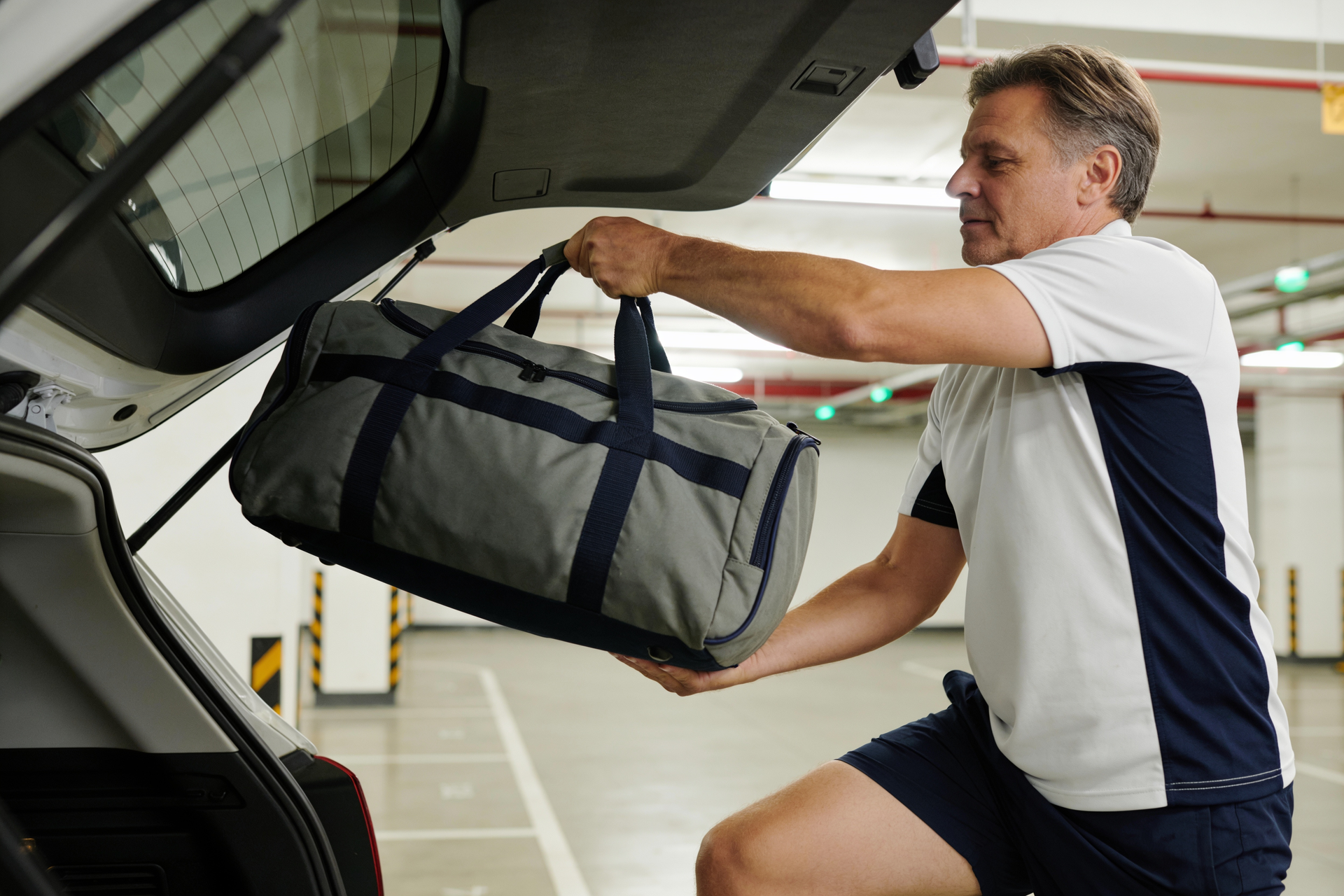
Grip in particular tends to be the quiet limiter on a travel day, since few people train it directly, and it is also one of the quickest things to improve with a couple of weeks of simple carries.
Gardening and ground work
Gardening is deceptively demanding because it combines getting down to the ground and back up many times, kneeling, reaching, twisting to dig or pull, and carrying soil, water, and tools. It is also usually sustained over hours rather than minutes.
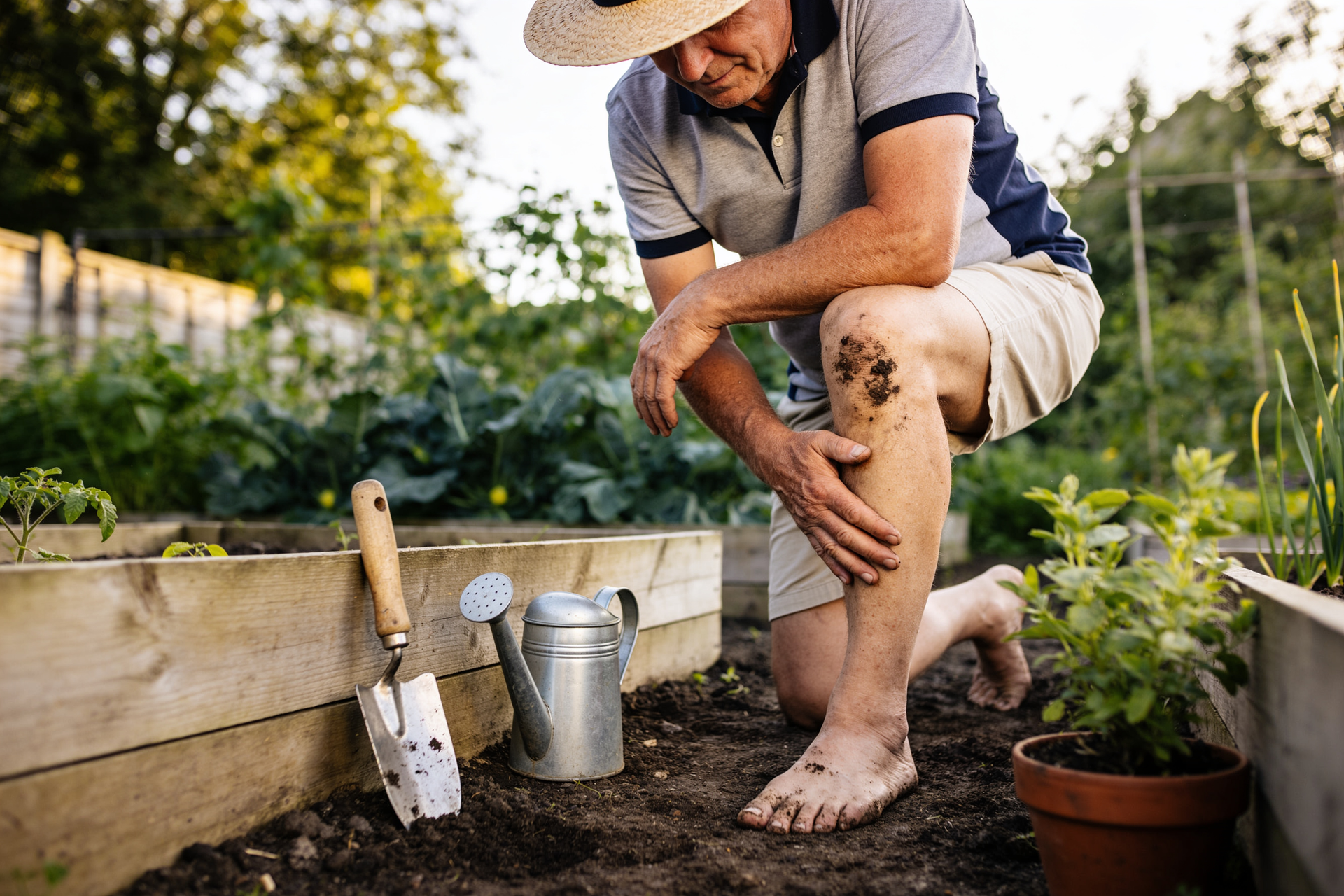
Here's the quick test: can you get down to the ground and back up without much trouble, several times over? Easy repetition means ready. Doable, but slow or effortful, almost. If getting up from the floor is a real struggle, working on your squat and your get-up over a couple of weeks will change how an afternoon in the garden feels. The up-and-down is usually the part that wears people out, more than the digging or pulling itself, so practicing it directly tends to pay off more than any single garden task would suggest.
Long days on your feet
Festivals, markets, museums, theme parks, and city sightseeing all share one demand: hours of standing and walking with few real breaks. This is mostly about endurance and the simple ability to remain upright and move for a long time, which is easy to underestimate from the comfort of a chair.
Ask yourself how a few hours mostly on your feet would feel. Comfortable is ready. Tiring but manageable is almost. If a couple of hours on your feet sounds genuinely hard, the simplest fix is to build the time gradually, adding a little to your daily walks each week, so that a long day out feels like a slightly bigger version of something familiar rather than a shock to a body used to sitting.
Reading your results
Look over your labels, but do not let them be a reason to cancel your plans or to feel bad about where you are. A few "almost" or "not yet" marks are normal, especially for activities you have not done in a while, and they are not a verdict. They are to-do lists with deadlines you actually care about.
Pay attention first to anything you marked "not yet," since that is where a little preparation makes the biggest difference between a good day and a rough one. The "almost" activities usually just need a few weeks of light, specific practice to move into "ready." The key word is specific: preparing for the actual demand, rather than just working out in general, is what makes those weeks count.
And if everything came back "ready," wonderful, go enjoy it, and keep doing the activities that keep you that way, since regular use is what holds onto readiness over time. The aim is not to talk yourself out of your weekend. It is to walk into it prepared.
Closing the gaps before the weekend
If you have a few weeks before the activity, that is plenty of time to make a real difference. Preparation does not need to be complicated; it needs to be specific to the demand you are preparing for.
A simple two-to-four week prep
Pick the one or two activities you most want to be ready for and train for the demands they share. A useful starting template, matched to the common weekend demands:
For a hike: some walking on varied ground, a little single-leg balance work, and practice on inclines if you can find them.- For a trip full of luggage: practice the hinge to lift from the floor, then add some loaded carries with a bag in each hand.
- For gardening: rehearse getting down to the floor and back up, plus a few carries with soil or water.
- For long days on your feet: add a little distance to your daily walk each week so standing and strolling for hours feels familiar.
Building
balance alongside strength is part of standard public-health activity guidance, the CDC lists balance work alongside aerobic and muscle-strengthening activity for adults as they age, and it pairs naturally with the leg work the hills and stairs ask for. Build up gradually, adding a little distance, time, or repetition each session, and keep the effort comfortable rather than punishing. Two short sessions a week, aimed squarely at your activity, will move the needle noticeably in a few weeks. You do not need more than that to meet most weekend demands, and keeping it to two focused sessions makes the plan easy to stick with amid a busy life.
When to scale the plan back
Preparation should make you more ready, not leave you sore and discouraged, so let comfort be your guide. If a prep session leaves you hurting for days, you pushed too hard, and the fix is to do a little less next time, not to quit.
If a particular movement causes pain rather than ordinary effort, set it aside and check in with a qualified professional before continuing. And remember that no amount of preparation guarantees a weekend free of strain or soreness; the goal is to tilt the odds toward a good experience, not to promise a perfect one. Preparing within your limits is what makes the activity enjoyable rather than risky.
Turning a "not yet" into a "ready"
When someone brings us a weekend goal, we do not start with a generic program. We start with the demand. A hike with a real descent is a different job from a travel day full of stairs and bags, and the prep should look different too. So we reverse-engineer the activity into its parts, find the one part most likely to limit the day, and spend the first couple of weeks there.
In practice that usually means picking one limiter, the descent control for hikers, grip and the hinge for travelers, the floor get-up for gardeners, and training it directly and gently before adding the rest. We start conservatively where you are weakest and let the easy parts ride. That is the difference between training in general and training for something, and it is why a focused two to four weeks so often closes a gap that "just getting in shape" never quite does.
Common Questions About Weekend Activity Readiness
Is this checklist a medical or fitness test?
No. It is a practical way to think ahead about what a weekend activity will ask of your body, so you can prepare. It does not diagnose anything, it cannot predict injury, and it is not a pass-or-fail test. If you have pain or a health concern, that is a conversation for a qualified professional.
How far ahead should I prepare for a big activity?
A few weeks is usually enough to make a meaningful difference for most weekend activities, as long as the preparation is specific to the demand and you build up gradually. The earlier you start, the more comfortable margin you give yourself, but even two focused weeks can help. For a particularly demanding activity, like a long hike with real elevation, giving yourself four to six weeks is more comfortable than cramming.
What if I marked most activities as "not yet"?
That is useful information, not a reason for discouragement. Choose the one activity that matters most to you, prepare specifically for it over a few weeks, and let the others wait their turn. Trying to get ready for everything at once tends to leave you ready for nothing. Focusing on one activity also lets you see clear progress, which keeps the preparation motivating rather than scattered.
Can preparing like this prevent injuries?
Preparing sensibly can help your body meet an activity’s demands more comfortably, which many people find improves the experience. That said, no preparation can guarantee you will avoid injury or soreness. Build up gradually, stay within your limits, and stop anything that causes pain.
I have already done the activity. Do I still need to check?
If an activity already feels comfortable and you recover well from it, that is your answer: you are ready. The checklist is most useful for activities you have not done in a while, are doing at a bigger scale than usual, or have started to feel uncertain about.
Be ready before life asks
A little foresight changes how a weekend feels. Instead of hoping your body cooperates on the trail, the stairs, or the long day out, you can look ahead, notice where you are ready and where you are not quite ready, and spend a few focused weeks closing the gap. That is the difference between an activity you endure and one you actually enjoy.
If you would like help building a short, specific plan for the activities you have coming up, our Strong for Life coaching is built around exactly this kind of real-world readiness.
Booking a consultation is a friendly place to start whenever you want a plan shaped around your body and your plans.
Here are our latest articles! Click to read more.