Train for Life Outside the Gym: How Functional Fitness Supports Hobbies, Travel, Yardwork, and Weekend Adventures
Most people do not actually want to be good at the gym. They want to be good at their lives: to play with grandkids without paying for it the next day, to travel without dreading the luggage, to spend a Saturday in the garden and still feel human on Sunday.
The gym is just a means to that end, yet it is easy to lose sight of the end entirely, grinding through workouts that never quite show up where you need them.
This guide flips the order around. Instead of starting with exercises, it starts with your life and maps how functional fitness supports the hobbies, trips, chores, and adventures that actually matter to you. Train this way and the question stops being whether you feel like working out. It becomes whether you want to keep doing the things you love, which is a much easier question to answer on a tired Tuesday.

Functional fitness pays off outside the gym
Functional fitness is training organized around the movements real life requires, rather than around how a workout looks or feels. Its whole purpose is what happens after you leave the gym: carrying, lifting, climbing, kneeling, reaching, and staying on your feet without the day costing more than it should. The
National Institute on Aging makes the same point: strength and balance work translate directly into everyday tasks.
The evidence base is substantial. A
large review of strength-training trials found that gains carry over to specific demands like climbing stairs and rising from a chair, not just to gym numbers. The clearest sign it is working is not a number in the gym but a task outside it that used to feel heavy and no longer does.
The difference shows up in small, telling ways: hauling a suitcase up a flight of stairs instead of arriving winded, getting down to weed a garden bed and back up without a thought, finishing a long day on your feet with something left in the tank, and kneeling to a grandchild’s level and rising again without using the furniture.
None of these are athletic feats. They are the texture of an ordinary life, and they are exactly what functional fitness is built to protect. Machine-heavy or appearance-focused workouts so often disappoint because they were never aimed at these moments. Train for the texture of your actual days, and the payoff arrives where you live rather than only where you exercise.
The life-demand map: how daily activities use your patterns
Here is a more useful way to think about training: every activity you care about is really a combination of the same basic movement patterns. Once you can see the patterns inside your favorite activities, you can see what your training is actually for.
The four areas below cover most of what fills a good weekend, and each leans on a handful of patterns.
| Life area | The movement patterns hiding inside it |
|---|---|
| Hobbies and play | Rotation, balance, quick changes of direction, getting down and up |
| Travel and luggage | Overhead push, hinge and pull, loaded carry, time on your feet |
| Yardwork and home projects | Hinge, carry, push, rotation, and the squat, under awkward loads |
| Weekend adventures | Endurance, balance, and lower-body strength on changing terrain |
You will likely recognize your own weekends somewhere in here. Seeing the patterns inside them is the first step to training in a way that actually shows up when you need it.
Hobbies and play
Whether your thing is golf, dancing, pickleball, fishing, or chasing grandchildren around a yard, hobbies lean heavily on rotation, balance, and the ability to move quickly and confidently in changing directions. A golf swing is a controlled rotation. Getting down to a child’s level and back up is a squat. Casting, paddling, and swinging a racket all blend rotation, balance, and timing.
People who keep those patterns sharp tend to keep their hobbies long after others have quietly set them aside. Guidance on aging well, including from
AARP, emphasizes building strength and challenging balance so you stay steady and independent and keep doing what you enjoy. The cruel irony of hobbies is that the moment you stop doing them, they get harder to return to. Keeping the underlying patterns strong keeps the door open, so picking the activity back up is a choice rather than a struggle.
Travel and luggage
Travel is a surprisingly physical event. You lift a heavy bag into an overhead bin, which is a push. You haul luggage off a carousel, which is a hinge and a pull. You carry bags through long terminals, which is a loaded carry that tests grip and posture. And you spend long days on your feet in unfamiliar places, which quietly demands endurance and balance.
People who train these patterns tend to experience travel as an adventure rather than an ordeal. The traveler who can sling a bag overhead, walk for miles, and stay steady on an escalator with luggage in hand spends the trip thinking about the destination, not the body. That ease is trainable, and it is mostly a matter of practicing the carries, hinges, and time on your feet that travel quietly demands.
Yardwork and home projects
Yardwork and home projects might be the most honest test of functional fitness there is. Lifting bags of soil and mulch is a hinge. Carrying them across the yard is a carry. Pushing a wheelbarrow or a mower is a push. Reaching to prune, twisting to shovel, and getting down to plant and back up again call on rotation and the squat.
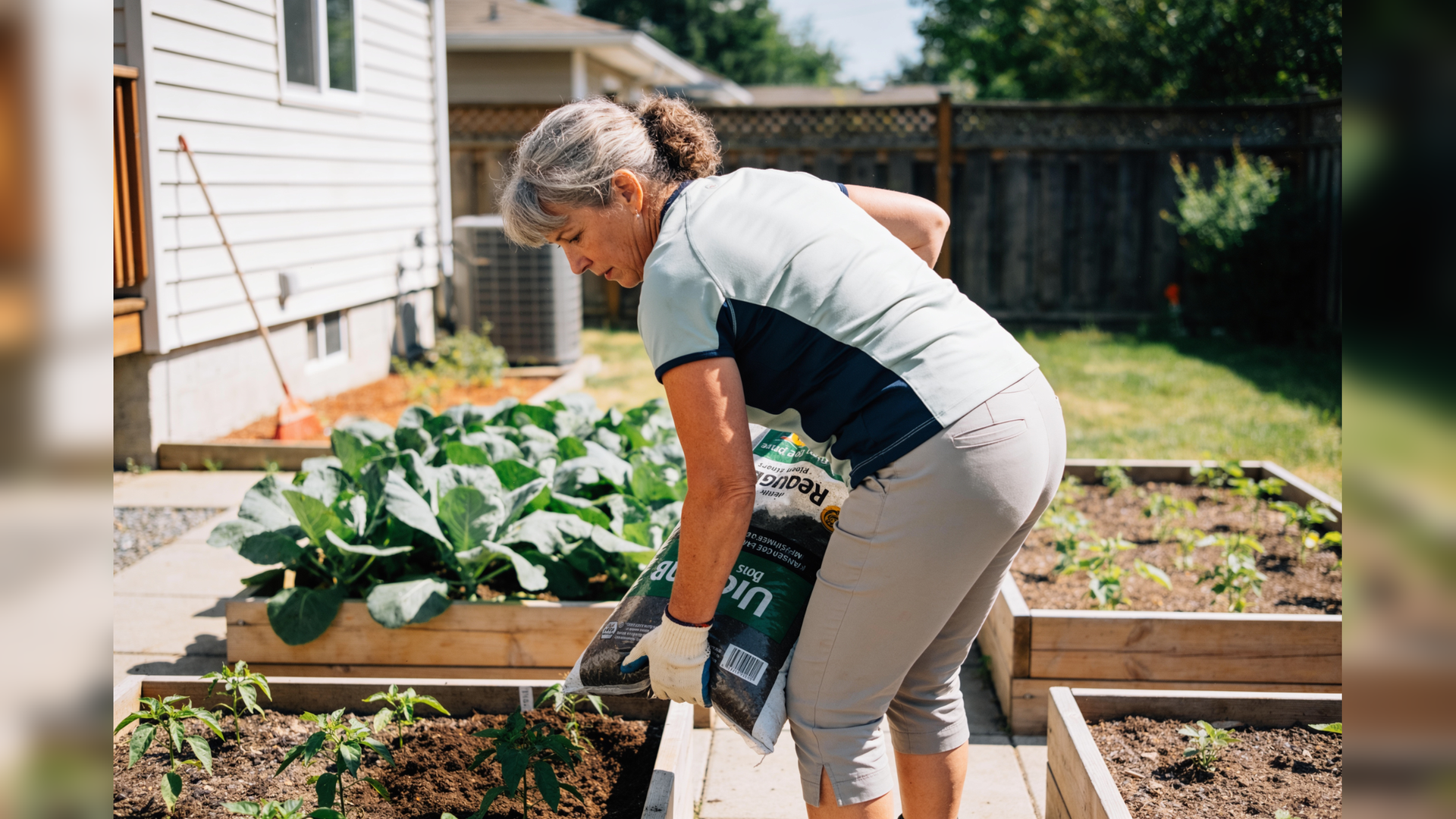
These tasks are unscripted and awkward by nature, which is exactly why the unsupported, whole-body strength functional training builds carries over to them so well. A bag of mulch does not have convenient handles or a fixed path, and neither does most of life. The strength you build through free, full-body movement is the strength that holds up when the load is awkward and the footing is uneven.
Weekend adventures
A hike on uneven ground, a bike ride, a day at the lake, or a long walk through a new city all combine endurance, balance, and lower-body strength in unpredictable ways. Uneven terrain, in particular, asks your body to adjust step by step, which relies on balance and stability far more than a flat treadmill ever does.
Every root, rock, and slope is a small balance challenge your body has to solve on the fly. The more you have practiced moving over varied ground and staying steady, the more those challenges feel like part of the fun rather than a reason for caution. If weekend outings are your goal, it is worth preparing for them specifically rather than assuming general fitness will carry over to a full day on uneven ground.
Capability comes from several abilities at once
The patterns do not work in isolation, and neither do the broader qualities behind them. Real-life capability comes from several physical abilities cooperating, which is why training just one of them rarely feels like enough.
Strength and mobility
Strength without mobility is stiff and limited. Mobility without strength is loose and unsupported. The two have to work together. Being strong enough to lift a bag of mulch matters little if you cannot comfortably get into position to pick it up, and folding into a deep position is of little use if you have no strength once you are there.
Functional training pairs the two deliberately, building strength through ranges of motion you actually use, so capability and comfort grow together. This is why training a movement through its full, comfortable range matters more than piling on weight in a short, stiff range. The goal is strength you can reach for in any position life puts you in, not just the one a machine allows.
Endurance and balance
Endurance is what carries you through a long day. Balance is what keeps you upright and confident while you do it. They tend to fade quietly and together when life gets sedentary, and they return the same way when you start moving with intent.
A long day of travel or yardwork draws on both at once: the endurance to keep going and the balance to stay steady as you tire. Training them is less about grueling cardio and more about regularly spending time on your feet, moving, carrying, and shifting your weight. A daily walk, a few flights of stairs, and some loaded carries do more for real-world endurance and balance than the occasional punishing session, because they rehearse the steady, on-your-feet demands that actually fill your days.
Where things break down
Most people do not lose their capabilities in a single dramatic moment. They lose them gradually, through a slow narrowing of what they are willing to do. A twinge while lifting leads to lifting less. A wobble on uneven ground leads to avoiding the trail. Each small avoidance feels reasonable on its own, but they stack up, and the patterns you stop using are the ones that fade fastest.
The other common breakdown is training that never connects to life: effort spent on machines or isolated exercises that build gym numbers without ever rehearsing the unsupported, real-world movements the body actually needs. Both problems have the same fix: aim your training at the life you want to live. When the target is clear, the avoidances become obvious, and the irrelevant exercises fall away on their own.
Training for the life you want
The good news is that training this way is more motivating, not less, because every session has a clear purpose. Two simple shifts make it work.
Start from the activity, not the exercise
Begin with what you want to be able to do, then work backward to the patterns it requires. If you want comfortable weekend hikes, you train your squats, single-leg balance, and endurance on your feet. If you want to garden all afternoon, you train your hinge, your carry, and your ability to get down and up.
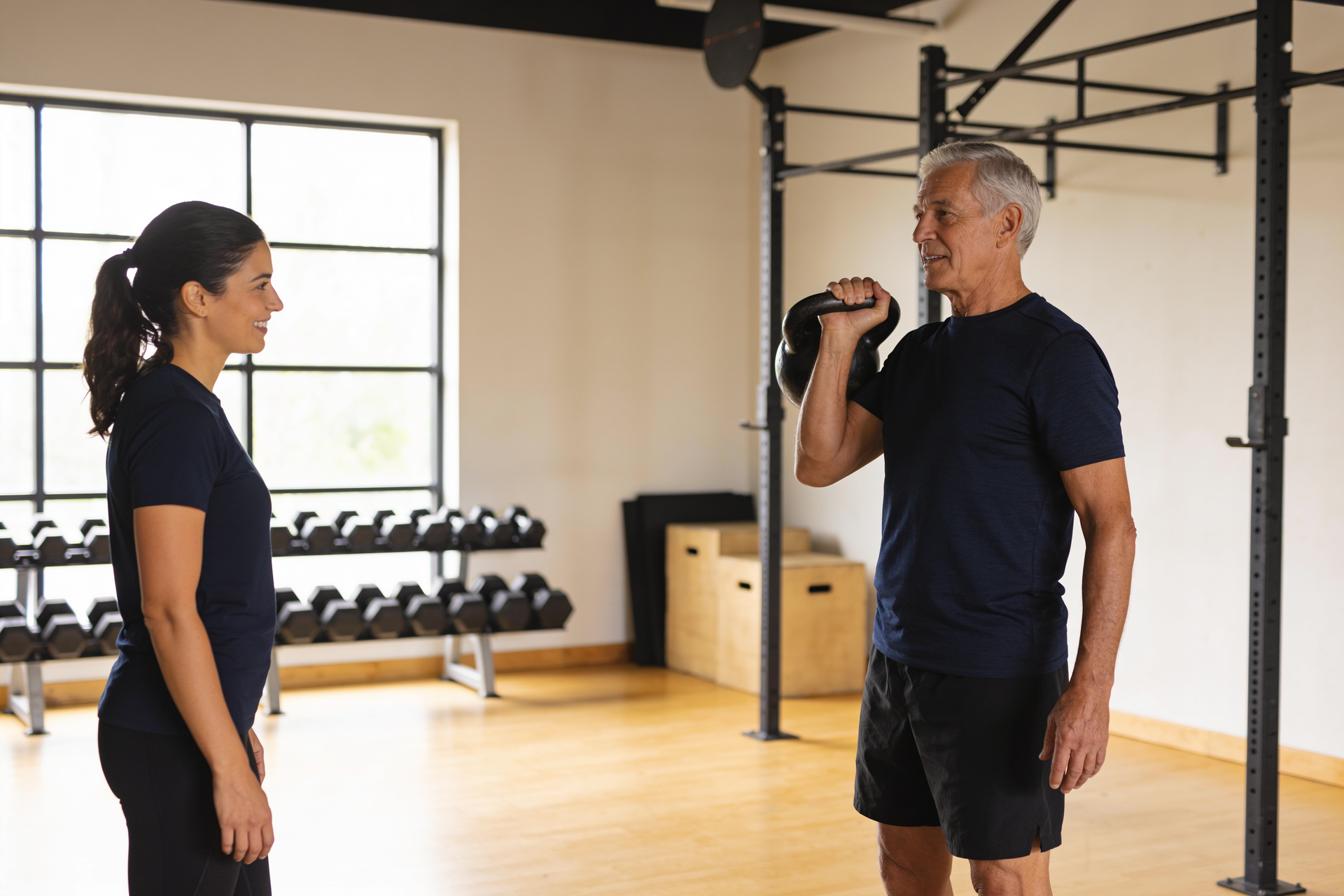
Choosing exercises this way keeps your training honest and relevant, and it makes progress easy to feel, because you notice it in the activity you care about, not just in the gym. It also takes the guesswork out of programming. You are no longer asking which random exercises to do. You are asking what your hike or your garden requires, and training for that.
Build a simple weekly pattern
You do not need a complicated schedule to train for your life. A sustainable weekly rhythm for most people looks like this:
Two strength-focused sessions that cover the basic patterns: squat, hinge, push, pull, carry, rotation, and balance.- Regular time being active in the ways you enjoy: walks, gardening, play, and time on your feet, spread across the week.
National guidance on physical activity from
Health.gov recommends muscle-strengthening work at least twice a week alongside regular movement, which fits this approach neatly. Keep it simple, keep it consistent, and let the activities you love be both the goal and part of the training. A plan you can sustain for years will always beat an ambitious one you abandon in a month.
A worked example: training to garden all afternoon
To make it concrete, here is what a garden-all-afternoon plan looks like. About twenty minutes, twice a week, covers most of the demands:
Hip hinges or light deadlifts, 2 sets of 8 to 10 slow reps: the pattern behind bending and lifting bags of soil.- Loaded carries, 2 trips of 20 to 30 steps per side with a moderate weight: the wheelbarrow and mulch-bag pattern.
- Sit-to-stands from a low chair, 2 sets of 8: getting down to plant and back up again.
- Single-leg balance, about 30 seconds per side with support as needed: staying steady on soft, uneven ground.
Add an easy walk on the other days, and the afternoon in the garden stops being the thing that wrecks the rest of your weekend. The same backward logic works for any goal: name the activity, find its patterns, and train those.
Common Questions About Training for Everyday Life
What does it mean to train for life outside the gym?
It means organizing your training around the real activities you want to do, like travel, hobbies, yardwork, and adventures, rather than around gym metrics for their own sake. You identify the movement patterns those activities require and train those patterns, so your strength shows up where you actually use it.
Do I need a gym membership to train this way?
Not necessarily. Many of the patterns can be trained with body weight and simple household items, and much of the work is just spending intentional time moving, carrying, and staying on your feet. A gym helps when you want to add load, but the approach matters more than the address. Plenty of people build real, useful strength at home with a couple of weights and a clear plan tied to their activities.
How is this different from regular exercise?
Regular exercise can drift into effort for its own sake, where the workout never quite connects to daily life. Training for life keeps the activities you care about at the center, so every session has a clear purpose. The result tends to be training you can actually feel paying off in your weekends and your travels, and that visible payoff is what keeps people consistent.
I am not an athlete. Is functional fitness still for me?
Absolutely, and arguably more so. The payoff here is not athletic performance. It is a daily life that feels lighter and a set of hobbies that stay open to you. You do not need a sport to benefit from being ready for the things you already love to do.
How long until I notice a difference in everyday activities?
Many people feel ordinary tasks get easier within a few weeks of consistent, life-focused training, while bigger changes build over a couple of months. Results vary from person to person and are not guaranteed on a fixed timeline, but steady, twice-weekly effort aimed at your real activities is what reliably moves things forward.
Make your training show up in your life
The point of getting stronger was never the gym. It was the rest of your life: the hobbies, the trips, the projects, and the unhurried weekends that make the effort worth it. When you aim your training at those things directly, mapping the activities you love to the patterns they require, the work stops feeling abstract and starts paying off where you can feel it.
If you would like help building a plan around the life you actually want to live,
a consultation or our Strong for Life coaching is a practical place to start. We map the activities you care about to the patterns they require, so your training shows up where you live, not only where you exercise.
Here are our latest articles! Click to read more.