Athlete or Adventurer? Prepare Your Body for the Challenge
The flights are booked, the leave is approved, and there is a date on the calendar for the trip you have been talking about for years. Maybe it is a weeklong trek in Yosemite, a coastal Camino, or an adventure tour with long days on your feet. You feel excited, and you also catch yourself wondering: will my knees hold up on those descents, and what happens when my back gets tight on day three with four days still to go?
This is where a real travel fitness plan lives. Not in a 21-day shred or a random mix of intense classes, but in a sustainable routine that respects your joints, your schedule, and the actual demands of your trip. Travel prep for adults 40-plus has to be pain-smart. It has to build capacity without poking every old injury you have collected along the way.
So let me introduce you to Lisa. She is 52, works a desk-heavy job, and she and her friends finally booked a seven-day trek in Yosemite, with back-to-back days of 7 to 10 miles, serious elevation changes, and a light pack. I am her coach in this story. You will hear what we did together and what she learned about herself, and you will also see an alternate version of her trip in which she tried to wing it alone. You might recognize yourself in both timelines. That is the point. (Lisa is an illustrative composite drawn from how we coach real trip prep, not a single client.)
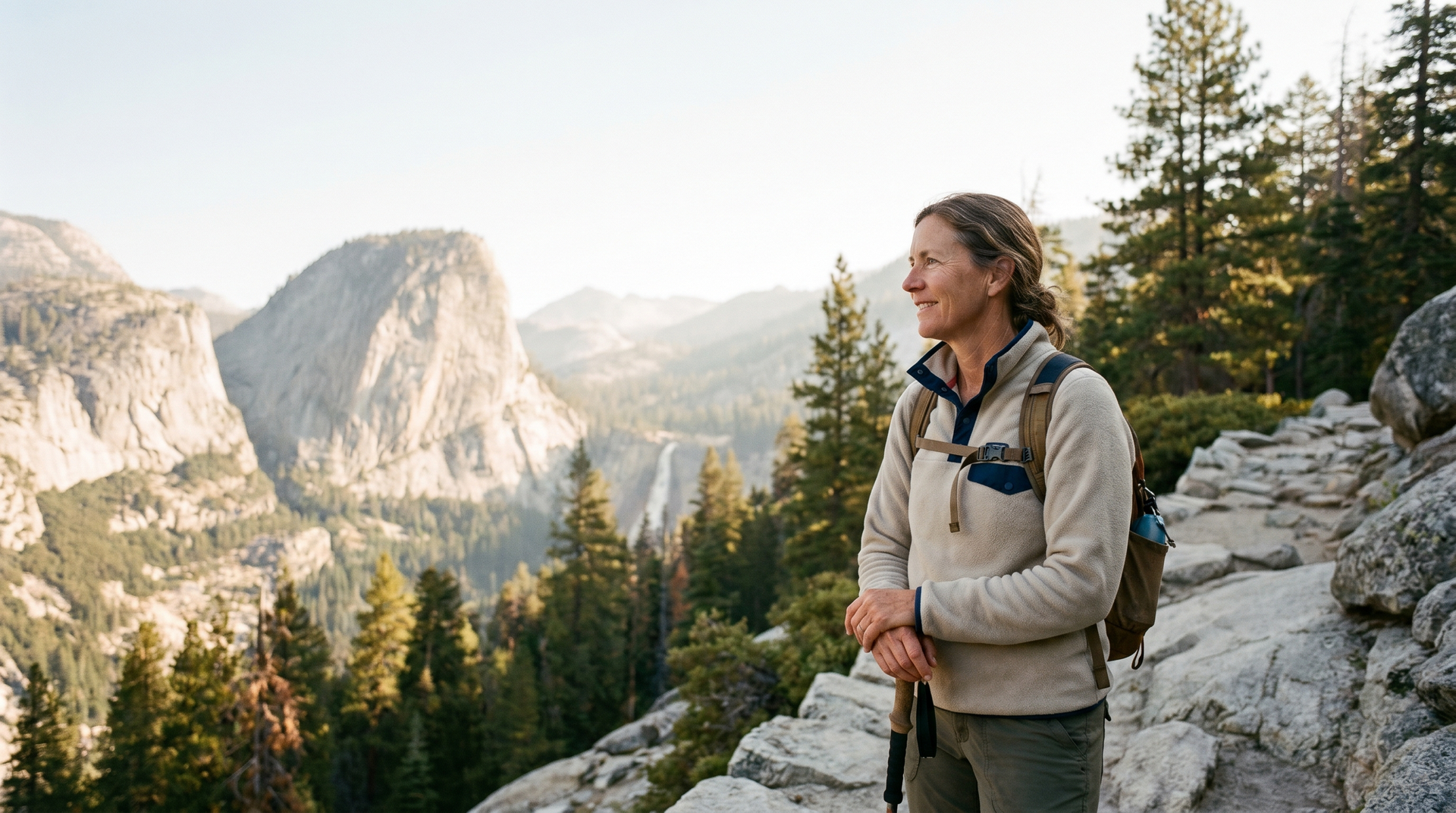
6 months until your trip: chart your course and commit to the journey
Six months out, most people either feel way too early or already behind. Lisa walked into Royal Blue Fitness with both. She had hiked before, but never stacked so many days in a row. Her knees were cranky on long descents, her low back tightened after a couple of hours, and she worried her friends would secretly have to slow down for her.
In our first few sessions, we talked less about perfect exercises and more about expectations. The goal was to prepare her body for a multi-day trek, not a single hero workout. That means building up time on her feet, strength in her hips and core, and confidence on uneven terrain,
slowly and progressively rather than all at once. Six months is plenty of time if you use it well.
We started with honest baselines. How many minutes of walking before her knees started talking? How her back felt after a workday. How she slept. We mapped her schedule, her family responsibilities, and her recovery capacity. Then we built the first phase of her plan, a block that felt doable, not dramatic.
"The biggest shift at the beginning was admitting where I really was, not where I wished I was. Once we put it on paper, it felt less scary and more like a puzzle we could actually solve."
Without a coach: In another version of this story, Lisa downloads a train-for-a-long-hike plan off the internet. It starts with long weekend hikes, heavy strength days, and high-intensity intervals. Week one leaves her so sore she shuffles through work. Her knees ache on stairs, so she skips week two to recover, feels discouraged, and starts telling herself that maybe this trip was a bad idea.
5 months until your trip: build habits that keep you trail-ready
By month two of training, real life has already tested Lisa's plan. A work deadline, a mild cold, a family birthday weekend. This is where many people decide that consistency just is not their thing. Our job together is to prove that wrong.
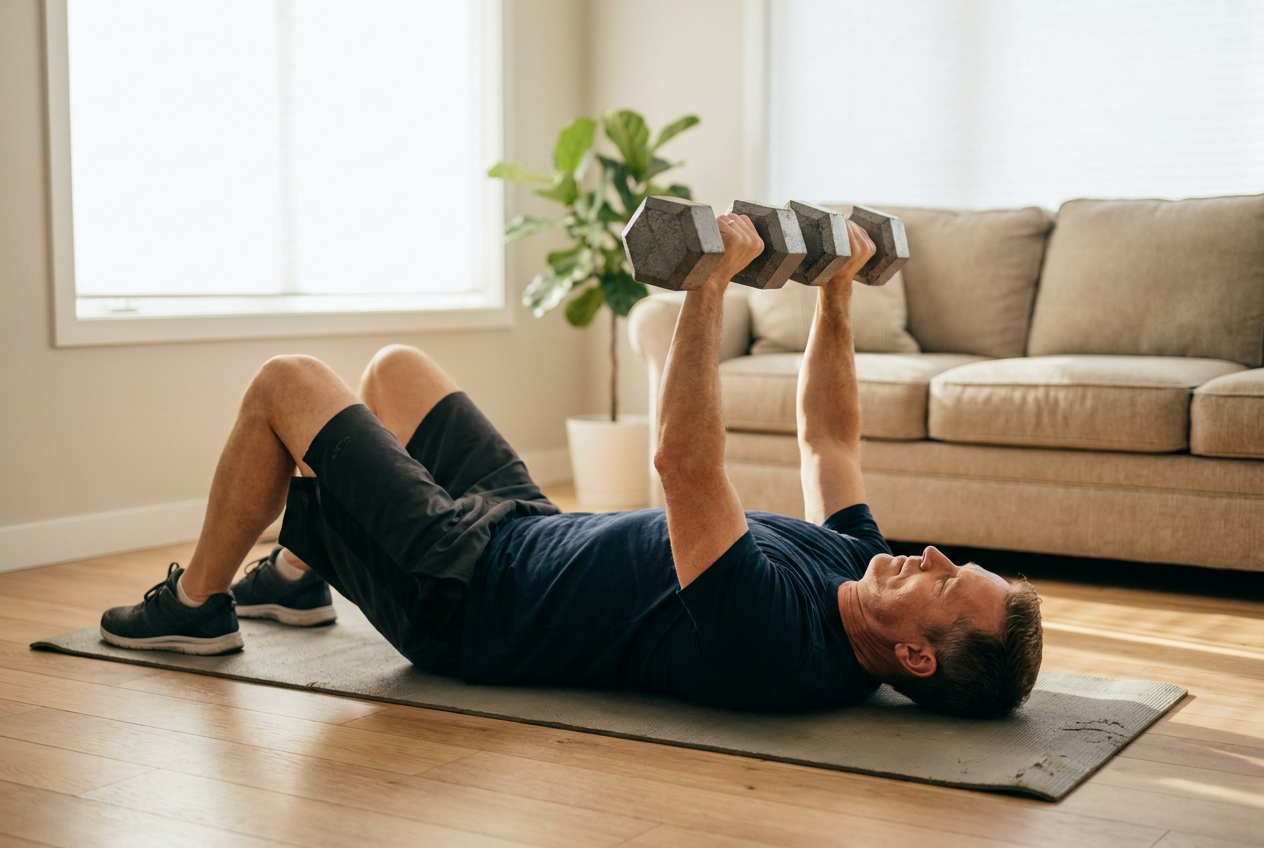
We focus on rhythm, not perfection. We anchor two strength sessions and two walks in her week, with optional nice-to-haves rather than rigid rules. Some weeks, she hits all of it. Some weeks, she hits the non-negotiables and calls that a win. We keep her sessions short enough that she can walk into them after a long day without dreading them.
Physically, she starts to notice new hunger and new fatigue. Her body is doing more, so it asks for more fuel and more sleep. We talk about eating enough to support her training rather than treating the trip as a reason to undereat, because
adequate fuel is the foundation on which training and recovery are built. We keep an eye on her joints, easing the load when her knees or back feel loud and building in recovery so those signals stay in the whisper range.
"I always thought discipline meant pushing through no matter what. Learning that I could adjust without quitting was huge. I stopped ghosting my own goals every time work got busy."
Without a coach: In another version, Lisa assumes that getting trip-ready means doing more while eating less. She under-fuels through the week, then shows up to Friday's long walk drained and depleted, with no energy left for the climb. Training starts to feel like punishment rather than preparation, and the harder she pushes on empty, the worse each session feels.
4 months until your trip: train for the terrain you will actually hike
Four months out, it is time to get specific. Generic fitness helps, but your body needs to be ready for what the trail will actually ask of it. For Lisa, that means long climbs, steep descents, rocky paths, and hours each day with a pack on her back.
We start connecting her gym work directly to those demands. Step-ups and split squats are not just leg exercises; they are climbing-the-switchbacks-with-tired-quads training. Controlled lowers and eccentric strength become protect-your-knees-on-the-long-downhill training, which matters because
the muscle damage from repeated downhill walking is exactly what your body adapts to when you train the descents ahead of time. Carries with a moderate load become comfortable-with-your-pack-by-day-three training.
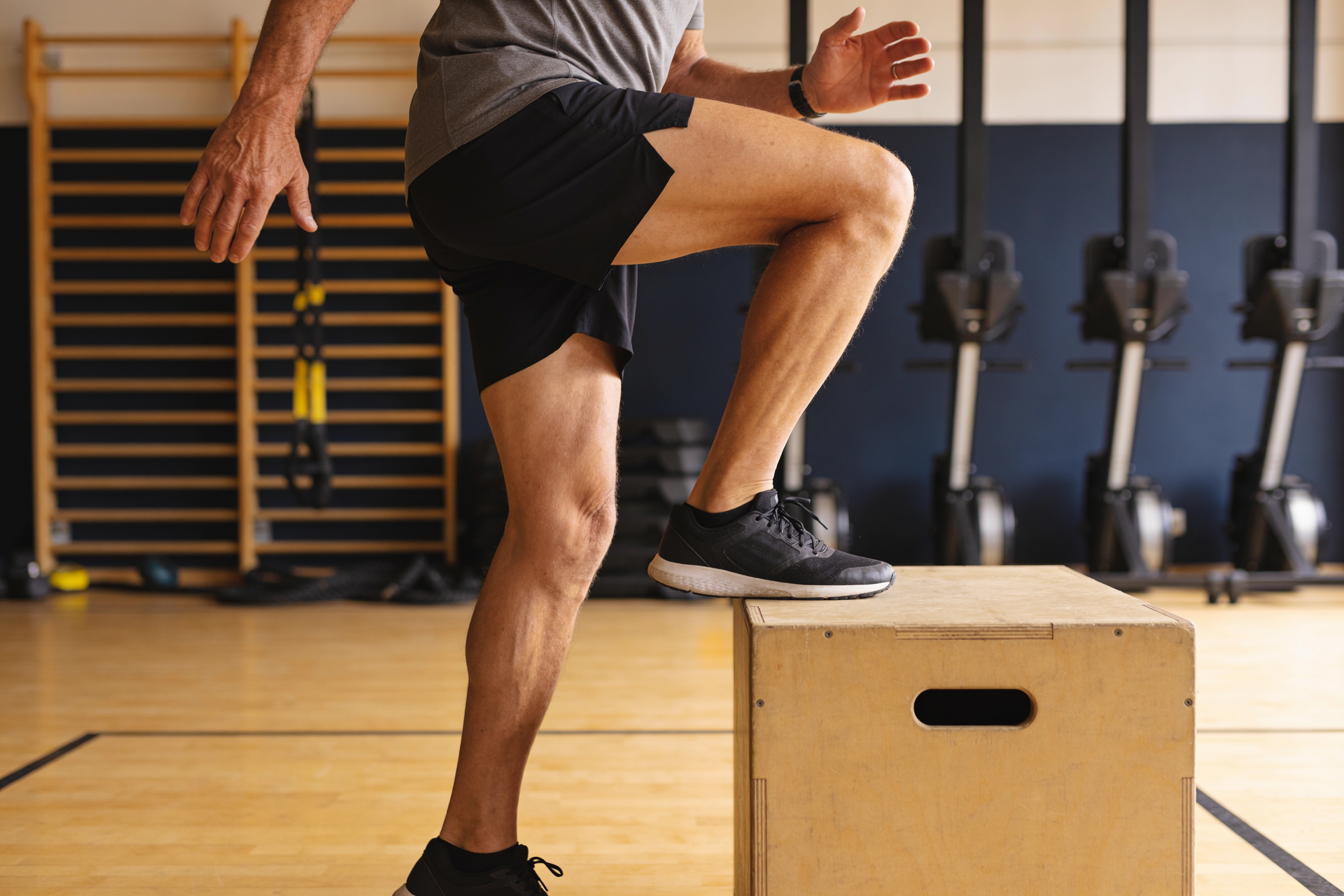
With Lisa, the descents were the piece we built most deliberately, because the downhill is where most hikers' knees actually complain. We started with slow, controlled step-downs, progressed to longer eccentric lowers, and only then added gentle downhill carries, so her quads learned to brake under load well before the trail asked them to.
We also begin adding practice hikes. Shorter at first, then gradually longer, some on local hills, some on more technical trails. These are not exams. They are laboratories. We pay attention to what flares up, what feels surprisingly strong, how her feet handle uneven ground, and how her energy holds up over several hours.
"The first time I felt my legs working on a hill and thought, this feels like the gym, it clicked. I was not just working out anymore. I was training for something real."
Without a coach: In another version, Lisa doubles down on cardio machines. She spends most of her time on the treadmill and bike, chasing distance, but never practices steep descents or uneven footing. On her next local hike, her lungs feel fine, but her knees scream on the way down. She starts to wonder if her joints are simply not built for this, instead of realizing she is missing the specific strength the descents demand.
3 months until your trip: when the journey feels long, keep moving forward
Three months out, the newness has worn off. The trip is still far enough away to feel a little abstract, but close enough that doubts start whispering in the background. Lisa hits her first plateau. Her strength numbers are slow, and old pain spots in her knees and low back occasionally pop up after long days.
This is where coaching matters. We talk about the difference between pain and information, and we adjust instead of panicking. If her knees feel more sensitive, we tweak depth, tempo, or range of motion. If her back feels tight, we adjust how we load certain lifts and add more movement breaks into her workday. The goal is not to eliminate every sensation; it is to build a body that can handle and recover from them.
Outside the gym, planning stress ramps up. Lisa is coordinating travel details, gear lists, and time off. It is easy to let training slide just for this week while she organizes logistics. So we simplify. Shorter walks instead of skipping them. Ten-to fifteen-minute minimum-dose strength sessions when life is packed.
"I used to take every ache as a sign that my body was breaking. Now I see it as feedback. Instead of quitting, we tweak the plan, and I keep going. That feels like a superpower."
Without a coach: In another version, the first plateau hits, and Lisa panics. She decides her routine is not working and changes everything. New workouts, new schedule, new rules. Her body never gets a chance to adapt to anything because she keeps restarting. Her pain flares from the constant novelty, and she settles into the story that she just cannot be consistent.
2 months until your trip: fine-tune your plan, do not start from scratch
Two months out, things feel real. Lisa gets her detailed itinerary, sees the daily elevation profiles, and watches a few videos of the trail. She notices that other hikers look way fitter in their photos. Comparison shows up fast.
Our focus here is refinement, not reinvention. We look at the specific demands of each day, then tune her training around them. More focus on sustained climbs if the first few days are uphill heavy. Extra attention to controlled descents if there are long downhills later in the week. We practice walking with her approximate pack weight and adjust how she organizes her gear to feel more balanced.
We also schedule one or two dress-rehearsal days. These are longer local hikes or back-to-back walking days that mimic pieces of her trip. We treat them like experiments. How do her feet feel in the shoes she plans to bring? How much water does she tend to drink? What snacks keep her energy steady? Success here is not perfection; it is learning.
"Instead of freaking out and trying to double everything, we actually did less, but more targeted. Those rehearsal days made the trip feel less like a cliff and more like the next logical step."
Without a coach: In another version, Lisa sees videos of ultra-fit hikers and spirals into doubt. To catch up, she stacks extra classes, long runs, and intense circuits on top of her existing routine. Her joints never fully recover between sessions. A sudden spike in volume flares her knees, and she spends the next week limping around work, terrified she has ruined her chances of enjoying the trip.
1 month until your trip: guard your energy like your most important piece of gear
One month out, the temptation to cram is intense. This is when many people push the hardest and show up at the trailhead already exhausted. Our approach is different. The job this final month is to arrive charged, not drained.
We gradually taper her training volume while keeping enough movement to stay sharp. This is not guesswork:
reducing training volume before an event clears accumulated fatigue while preserving the fitness you have built. Strength sessions stay in the mix, but we trim the overall sets and keep things crisp. Walks and hikes become more about staying comfortable with time on her feet than about chasing distance. We pay extra attention to sleep, hydration, and simple recovery habits.
We also work on mindset. We review how far she has come. Photos from her first test hike next to recent ones. Notes from early sessions when stairs felt daunting are now set against her current baseline. Last-minute hero workouts will not give her anything her body has not already earned, but they can absolutely take things away.
"The month before the trip felt strangely calm. I expected to feel frantic, but instead I felt ready. Not perfect, just ready in a way I had never felt for anything physical before."
Without a coach: In another version, Lisa treats the last month as her last chance to get fit. She keeps upping the intensity, squeezes in late-night workouts after packing and errands, and trades sleep to get everything in. By the time she boards the plane, her body feels beat up, her knee pain has spiked, and she is leaning on caffeine just to get through travel day.
After your trip, let the adventure change how you train next
Here is what actually happened.
On day one of the Yosemite trek, Lisa felt nervous. The pack felt heavier than it had in the gym, the air was thinner, and the group was buzzing with energy. But as the hours passed, she noticed something new. Her breathing settled into a rhythm. Her knees felt stable on rocky steps. When the trail pitched downhill, she felt her legs catch and control, not collapse and brace.
By day three, the usual suspects that used to flare up, her knees on long descents, her back on uneven paths, her feet after hours in shoes, were quieter than she expected. Not silent, but manageable. She knew how to adjust her stride, when to take a short break, and how to use her poles and pack position to share the workload.
More importantly, she was present. Instead of spending every switchback worrying about the next one, she looked up. She watched the light shift on the granite, laughed with her friends at trail jokes, and actually tasted her food at camp instead of crashing into her tent.
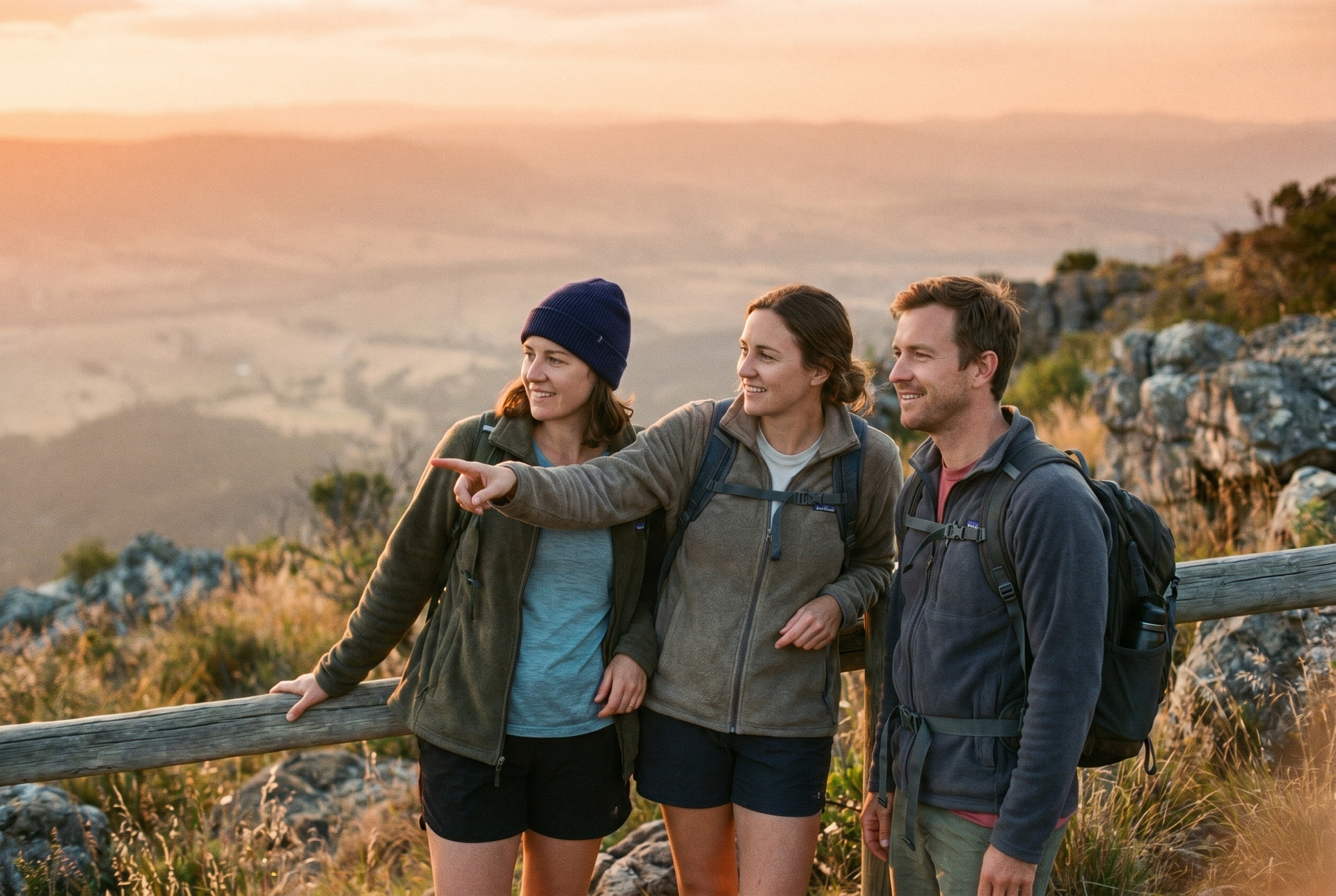
"I kept waiting for the moment I would break down and need rescuing. It never came. There were hard parts, sure, but I had this quiet confidence in the background. I realized I was not just surviving the trip. I was living it."
When she came home, we did not throw everything out. We built on it. Lisa now had proof that she could commit to a six-month plan, listen to her body without catastrophizing, and handle a big physical challenge as an adult 40-plus with a history of aches.
We shifted her program from event mode into a sustainable routine that fits her regular life. Some weeks are lighter, some heavier, but the skills she built for the trail stay with her. She knows how to prepare her body for the next trip, how to ask for help when old injuries flare, and how to trust her own effort.
Plan your next adventure with a coach in your corner
You can have that too. If you have a bucket-list hike, a walking tour, or an adventure trip on your calendar, you do not need to wing it or punish yourself into shape. You can follow a pain-smart, structured plan that respects your joints, your time, and your life, so you show up ready to actually enjoy the thing you worked so hard to plan.
If you want a coach to build that kind of plan with you, not for you, that is what we do at Royal Blue Fitness. A
Strength and Range of Motion Assessment is the natural first step: it shows us where your strength, mobility, and old injury patterns stand today, so the plan is built around your body and your trip. For travelers and adventurers around Pleasant Hill or the East Bay, it is a grounded place to begin, months before you ever lace up at the trailhead.
Here are our latest articles! Click to read more.